Overview
What can be the biggest factor responsible for the failure of reverse auctions? Well, it can be the technology your company has used. Auction platforms can fail if they lack advanced features and flawless functionality. They may neither handle real-world sourcing pressure nor manage the increasing complexity. Such failures result in downtimes and performance degradation in online auction processes.
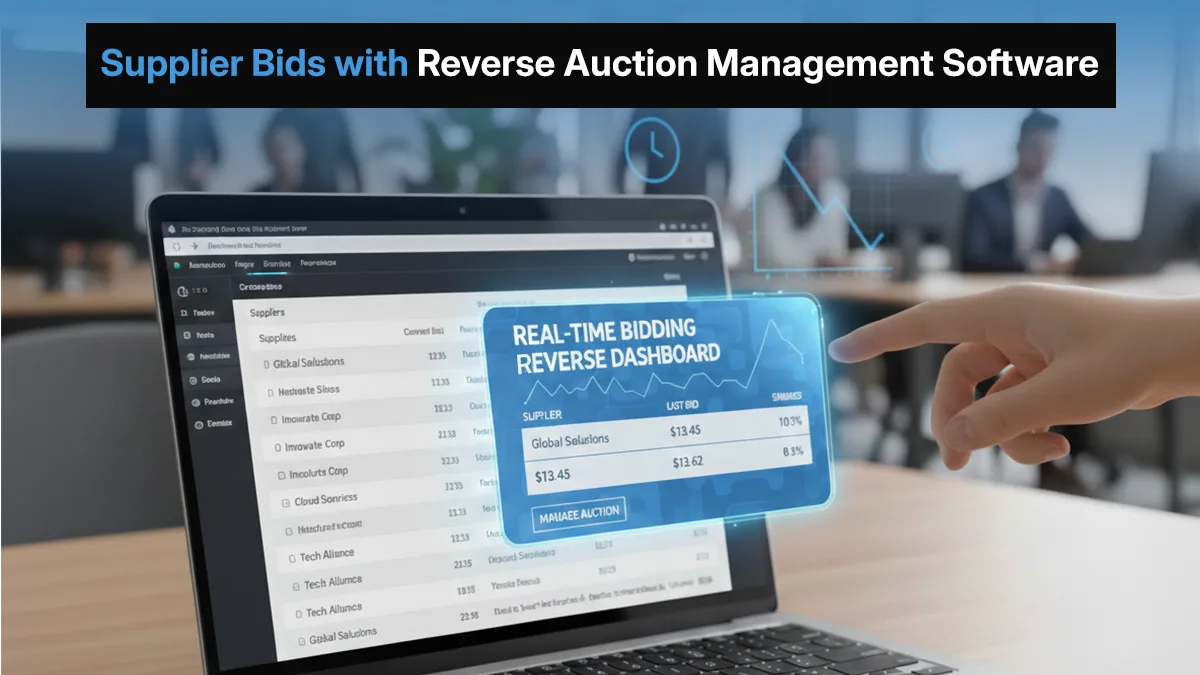
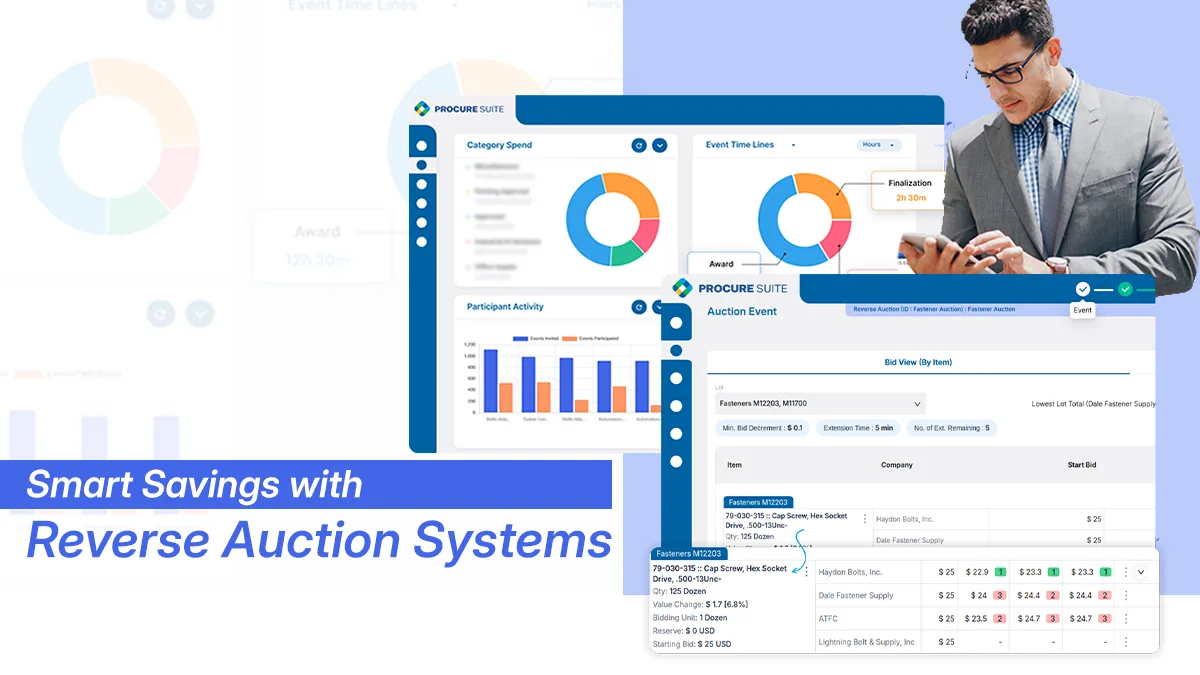
This blog talks about the role of reliable reverse auction management software in managing events and keeping suppliers engaged. We will also compare manual and automated systems, digging deep into what it takes to run a successful reverse auction process. Let’s start with the adverse effects of downtime in reverse auctions.
Why Downtime is a Silent Killer in Reverse Auctions
Reverse auctions are high-pressure events. Therefore, when the auction platforms slow down or face issues, things can worsen. Downtime during a live auction can frustrate users and distort competition. Here are the common pain points of downtime-
Suppliers unable to submit bids in the final minutes
System crashes occur during peak bidding activity
Manual intervention can break integrity and fairness
Delayed refresh rates of bids can cause confusion
Let’s face it. Seconds matter in reverse auctions in procurement. A weak or legacy system can turn competition into chaos. Here, a reverse auction system with the desired features and excellent functionality comes into play. As a reliable digital platform, it enables the buyer to define rules and the supplier to respond fairly.
A reverse auction platform offers transparent updates to keep suppliers informed and high concurrency for scalability. Moreover, this platform should be stable to protect the credibility of a reverse auction. Let’s explore how modern auction platforms are different from manual auctions.
Manual Auctions vs Modern Reverse Auction Platforms
Let’s compare traditional methods and online auction software from the outcome perspective.
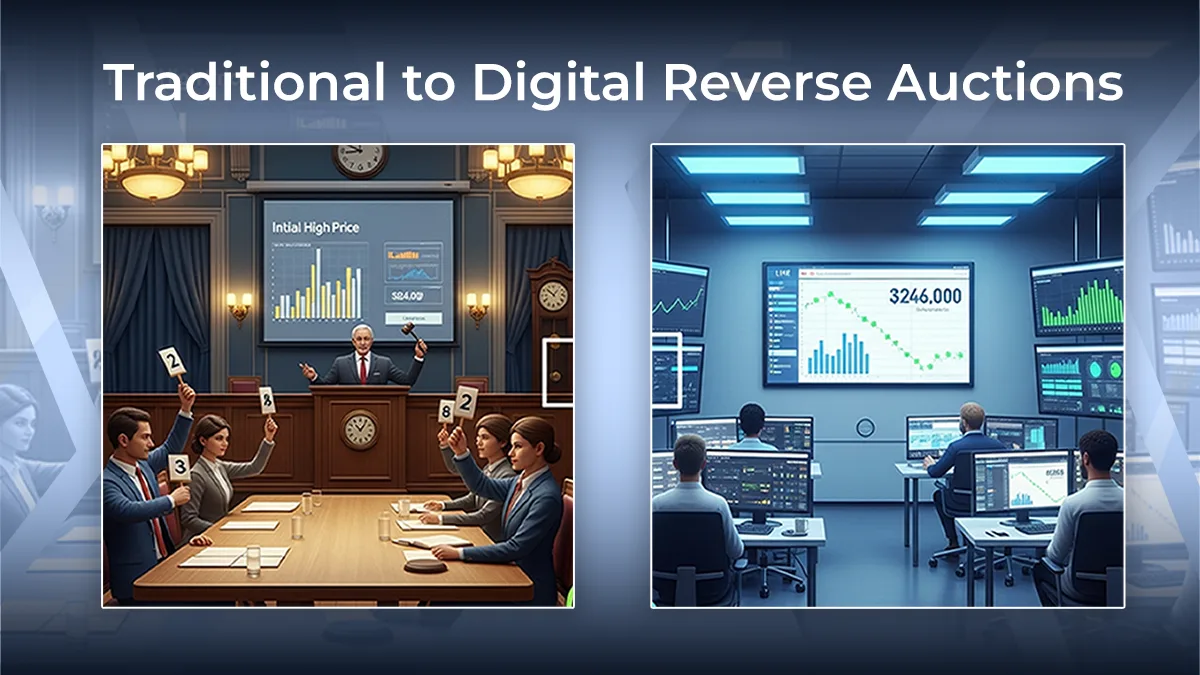
Factor/Aspect | Manual/Legacy Auctions | Modern Reverse Auction |
|---|---|---|
Bid submission | Emails or spreadsheets | Real-time digital bidding |
System stability | Low | High-availability infrastructure |
Supplier experience | Inconsistent | Structured and transparent |
Audit readiness | Weak | Built-in compliance logs |
Event scalability | Limited | Handles high supplier volume |
The best online auction software can reduce operational risk from reverse auction and strategic sourcing events. Let’s go through its key features to reduce downtime and boost performance in online auctions.
Top Features of Reverse Auction Platform
The best online auction software can withstand the intensity of live sourcing events. Usually, reverse auctions operate in high-pressure and time-sensitive environments where dozens or more suppliers place bids at once. Here are the top features you should look for when selecting an effective reverse auction management software.
- Robust Architecture and Scalability
The auction platform should have redundancy and failover mechanisms to ensure a continuous auction process even if any part of the system fails. It prevents outages during the peak time.
- Real-time Bid Refresh with Minimal Latency
It ensures that suppliers see updated prices in real time. The lack of instant updates or refreshes causes loss of confidence and weakening of competition.
- Auto-Extension Rules
These protocols are essential for maintaining fairness. These rules can extend the auction automatically to prevent the last-second rush and ensure all suppliers get an equal opportunity.
- Supplier Load Handling
It is highly useful for offering support during the intensifying bidding process near the close of an auction event. It prevents the system from slowing down or crashing.
- Recovery Mechanisms
As a feature, it protects auctions when individual sessions drop due to connectivity issues. It enables suppliers to reconnect and continue bidding without data loss.
In our experience, high-end reverse auction process management software can ensure that every event follows a clear and repeatable flow. This software can enhance the outcomes of the auction event.
How Reverse Auction Process Management Improves Outcomes
Let’s face it. Even the most advanced platform may fail to deliver results in case of inconsistency in running auctions. This shows the importance of clear structure and execution of the reverse auction process management. Structured process management starts with clear auction rules and timelines. Suppliers know when the auction begins, how long it will run, and how bids are evaluated properly.
This clarity can minimize confusion and prevent disputes during or after the event. Furthermore, seamless execution of the reverse auction process involves consistent supplier onboarding with transparency in bidding. Finally, accuracy in reverse auction process management leads to quicker post-auction analysis and award decisions. A reliable, user-friendly reverse auction solution can deliver consistent and measurable value.
What to Fix Before Running the Auction Process
It is essential to take a practical pause and assess the process before running reverse auction events. In our experience, successful auction events start with validating supplier readiness through proper training. It ensures that all participants understand the reverse auction system and rules. Clean and accurate data related to items and pricing must be in place to avoid any confusion.
Moreover, testing auction scenarios in advance can help you identify gaps in setup, timing, or supplier access before real stakes are involved. All these factors can assist companies in avoiding auction failures through effective operational groundwork.
Real-Life Use Cases for Reverse Auction Management Software
A reverse auction in procurement can save money by intensifying competition. Let’s understand the practical use cases of the reverse auction management tool across different industry sectors. A high-volume manufacturing buyer can run frequent auctions with dozens of suppliers. But even brief downtime during peak bidding can cause distortion in competition and a reduction in savings. Advanced software can help the manufacturer overcome this issue.
A mid-market procurement team handles fewer but highly margin-sensitive auctions. Here, reliable execution is of the utmost importance to build supplier trust and deliver clear results. An enterprise-grade reverse auction platform can assist the team to meet this objective without last-minute manual intervention.
Concluding Remarks
System failure can be costly for companies in the case of online reverse auction events. Therefore, the right reverse auction management software is necessary. It can reduce downtime and protect the integrity of events. You can integrate the best online auction software with ERP and procurement systems, spend analytics tools, and supplier management platforms. The right auction platform can reduce downtime and improve performance for reverse auction events.
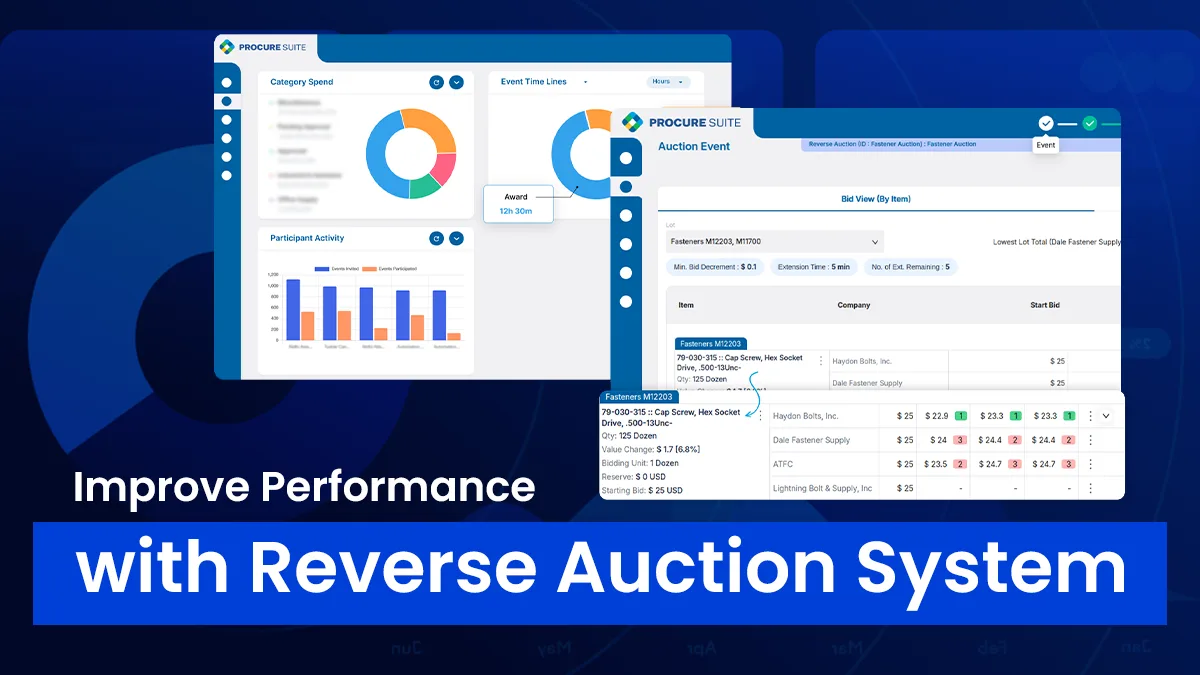
Procure Suite is a 360-degree reverse auction management software with advanced features and seamless functionality. It assists modern enterprises in saving more by minimizing negotiations and reducing workload. Contact us to schedule a demo to learn more about the Procure Suite.