

Overview
Processing invoices and payments manually wastes time and opens the door to mistakes. This approach often causes duplicate payments, missed approvals, and mismatched purchase orders. Ultimately, this delays payments and strains supplier relationships.
Thanks to advancing technology, digital solutions like procure to pay software solutions come to the rescue. These solutions automate the entire procure-to-pay process, helping reduce errors, quicken approval cycles, and enhance visibility into all activities.
This post takes an in-depth look at how procure to pay solutions solve the limitations found in traditional processes. Let’s start by looking at why these issues arise.
Why Invoice Errors and Payment Delays Happen
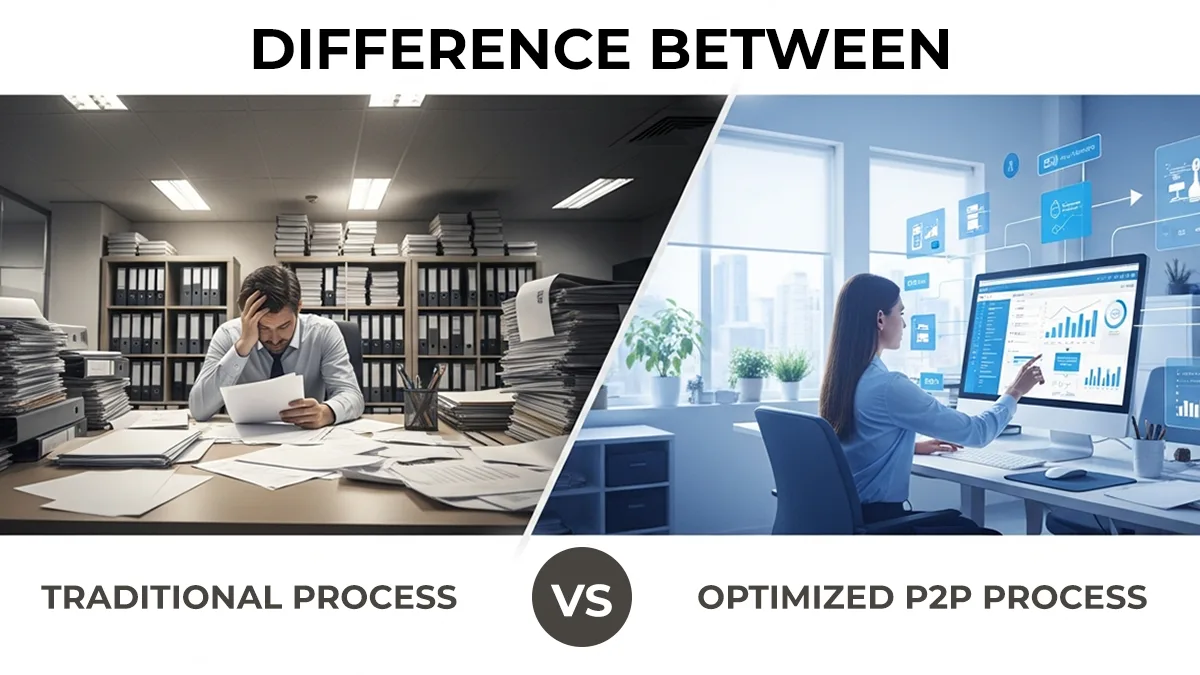
Traditional invoice processes fail. Handling tasks manually increases the risk of errors and slows down processes, particularly with paper or spreadsheet-based workflows. This can lead to duplicate payments or missed approvals.
Teams often make mismatched purchase orders. Without automated validation, they have to spend hours reconciling differences.
One major limitation occurs when finance, procurement, and operations operate in separate systems, leading to miscommunication and inefficiencies.
Moreover, manual routing and approvals can stretch over several days or even weeks.
Another limitation is a lack of visibility. It limits invoice tracking, often resulting in late payments, penalties, and unhappy suppliers.
Other issues of manual workflows are a lack of transparency and accountability, making audits difficult and time-consuming.
Many organizations are adopting procure to pay software solutions to tackle these challenges while enhancing accuracy, efficiency, and visibility.
How Procure-to-Pay Automation Solves These Challenges
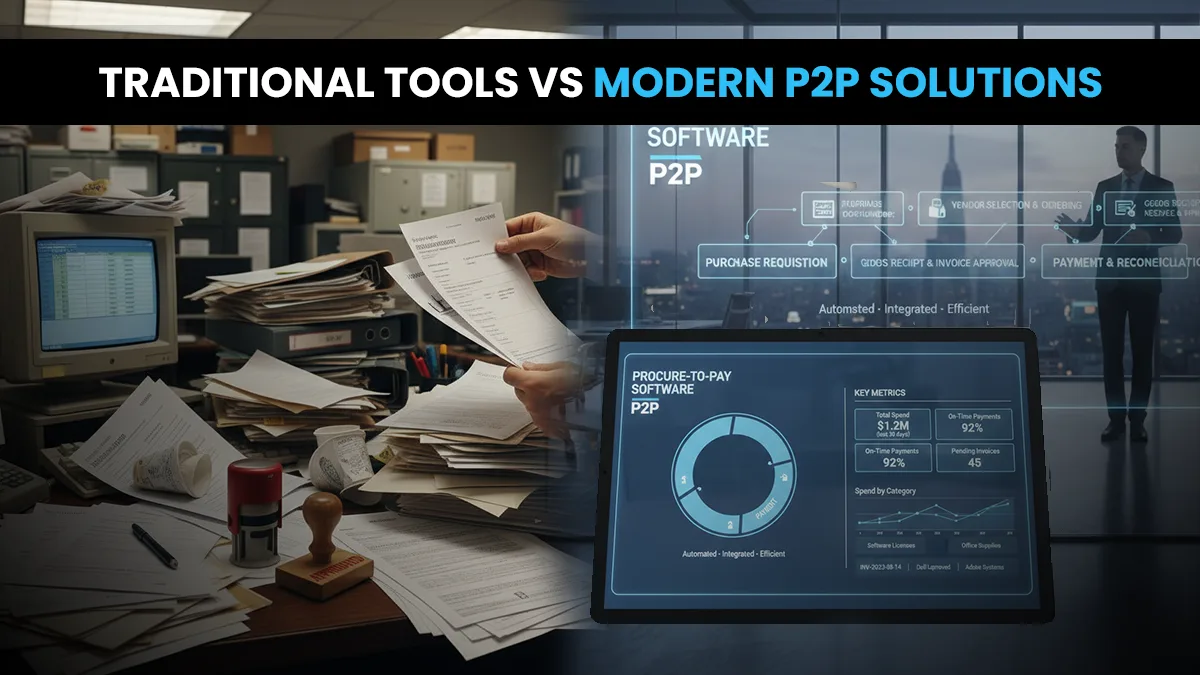
P2P procurement software tackles the main causes of invoice errors and delays by replacing fragmented manual workflows with a single, integrated system. A procure to pay platform replaces emails, spreadsheets, and disconnected tools by automating and streamlining the entire process. This ensures efficient tracking and management of all steps.
P2P solutions bring consistency in workflow, offer instant visibility, and include automatic validation. This allows organizations to reduce errors, improve compliance, and complete payments faster while saving time and resources.
Here are some main benefits that contribute to solving these challenges.
Real-time Invoice Tracking and Validation
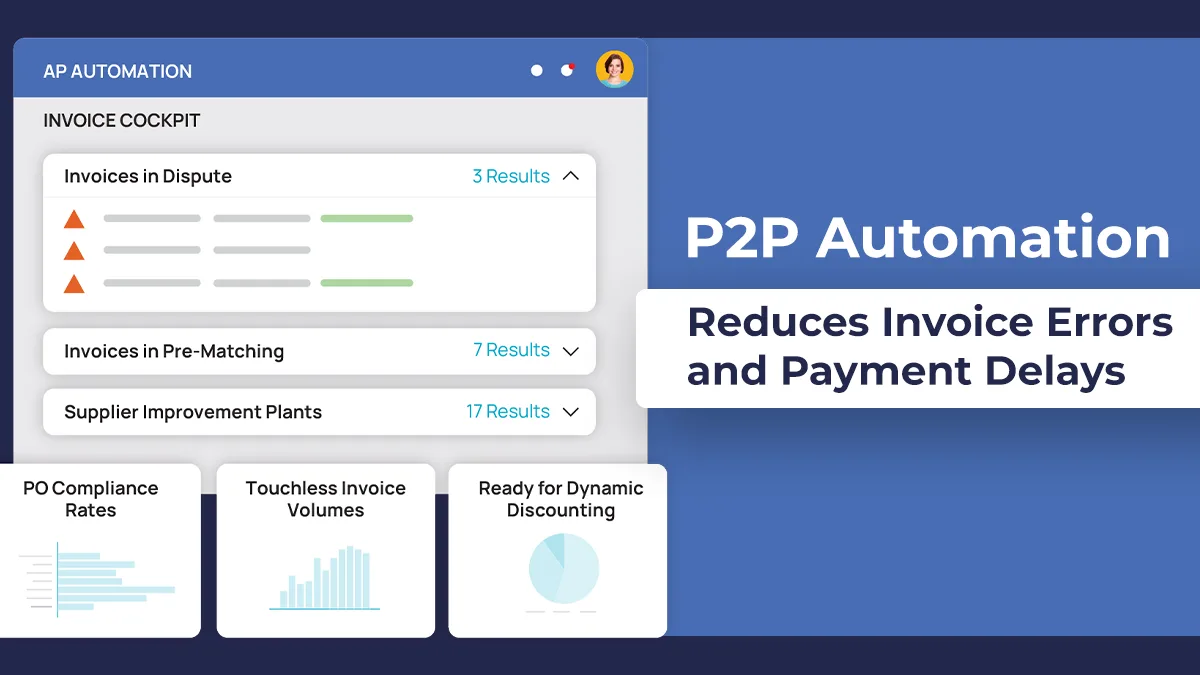
The P2P system immediately pairs incoming invoices with the relevant purchase orders and goods receipts. The system also detects discrepancies right away, enabling teams to resolve issues before payment processing. Hence, early resolution minimizes errors and eliminates manual reconciliation efforts.
Automated Approval Workflows
With smart, rule-based routing, invoices automatically reach the right stakeholders depending on factors like amount, department, or supplier. This approach removes delays, accelerates approvals, and keeps invoices moving smoothly through the workflow instead of lingering in inboxes.
Centralized System for Finance and Procurement Teams
A single platform consolidates all invoice and payment data. Thus, teams get real-time visibility into transaction status, outstanding liabilities, and upcoming payments. This enables better coordination between teams, minimizes communication gaps, and enhances planning and decision-making.
Error Prevention and Audit Readiness
The system records every step, from invoice submission to approval and payment, in a clear, traceable audit trail. Automated controls stop duplicate payments, missed approvals, and data errors. This makes audits quicker, easier, and less disruptive. It also gives teams confidence that financial processes are accurate and compliant.
Simply put, p2p software solutions make the entire workflow visible, streamlined, and easy to manage. By cutting down on manual work, organizations reduce errors, stay compliant, and operate with greater confidence.
Additionally, automation relieves teams of repetitive administrative tasks. This allows them to concentrate on strengthening supplier partnerships, negotiating favorable terms, and optimizing cash flow.
Now, let us compare the p2p procurement system with manual methods to see how it outperforms the latter.
Manual vs P2P Procurement System- A Quick Comparison
The following table illustrates why automation is crucial for today’s procurement processes.
Factor | Manual Processing | P2P Procurement System |
|---|---|---|
Invoice Accuracy | Errors common | Automated validation ensures accuracy |
Approval Time | Weeks-long delays | Real-time approvals streamline payments |
Visibility | Limited | Centralized dashboards with real-time data |
Supplier Relations | Frustration from delays | Timely payments improve trust |
Audit & Compliance | Hard to track | Automated records ensure compliance |
The table shows that P2P automation improves invoice accuracy and accelerates the approval process. It also strengthens supplier relationships and streamlines audits. Moreover, it delivers clear operational and strategic value.
Now, we will jump into the important features that drive these results.
Key Features of P2P Procurement Software
Procure to pay management software offers robust features that simplify procurement. It streamlines workflows, reduces errors, and gives teams better oversight at every stage.
Requisition Management
The software automates both the generation and approval of purchase requisitions. Hence, requests move through the right path and reach the right stakeholder fast.
Purchase Order Generation
After a team approves a requisition, the system automatically makes purchase orders, minimizing effort and mistakes.
Three-Way Matching
This feature matches invoices against purchase orders and goods receipts automatically. It prevents errors and duplicates in payment.
Supplier Management
The platform unifies supplier information. This makes it easier for teams to manage data, track performance, and improve collaboration.
Automated Approvals
Organizations can set rules for approvals by invoice, department, or supplier. So, approvals are quicker and still compliant.
Spend Analytics and Real-Time Reporting
With interactive dashboards, teams can track spending, approvals, and payment progress, making it easier to make informed choices and plan proactively.
Integration with Existing Systems
P2P software integrates with ERP and accounting platforms. This allows data to move seamlessly between departments and eliminates data silos.
Compliance and Audit Support
Built-in compliance checks ensure all transactions adhere to company policies and regulatory requirements. Detailed audit trails simplify tracking and reporting.
Mobile Accessibility
With mobile access, managers can review and approve invoices anytime. This accelerates the approval process and enhances overall responsiveness.
By leveraging these features, organizations can optimize procurement and maintain better control of their operations.
Concluding Remarks
Procure to pay software solutions change how organizations handle invoices and payments. By automating manual tasks, minimizing errors, and offering real-time visibility, they ensure accurate invoices and timely payments. In short, P2P automation allows organizations to concentrate on growth, strategic procurement, and stronger supplier collaboration. Ultimately, adopting these solutions leads to more efficient operations and smarter business decisions.