
Overview
Procurement has undergone a massive transformation. Supplier networks have become larger, compliance rules have become stricter, and there is a greater exposure to supplier performance risk. Manual procurement processes are inefficient in handling these issues, but many organizations still depend on them.
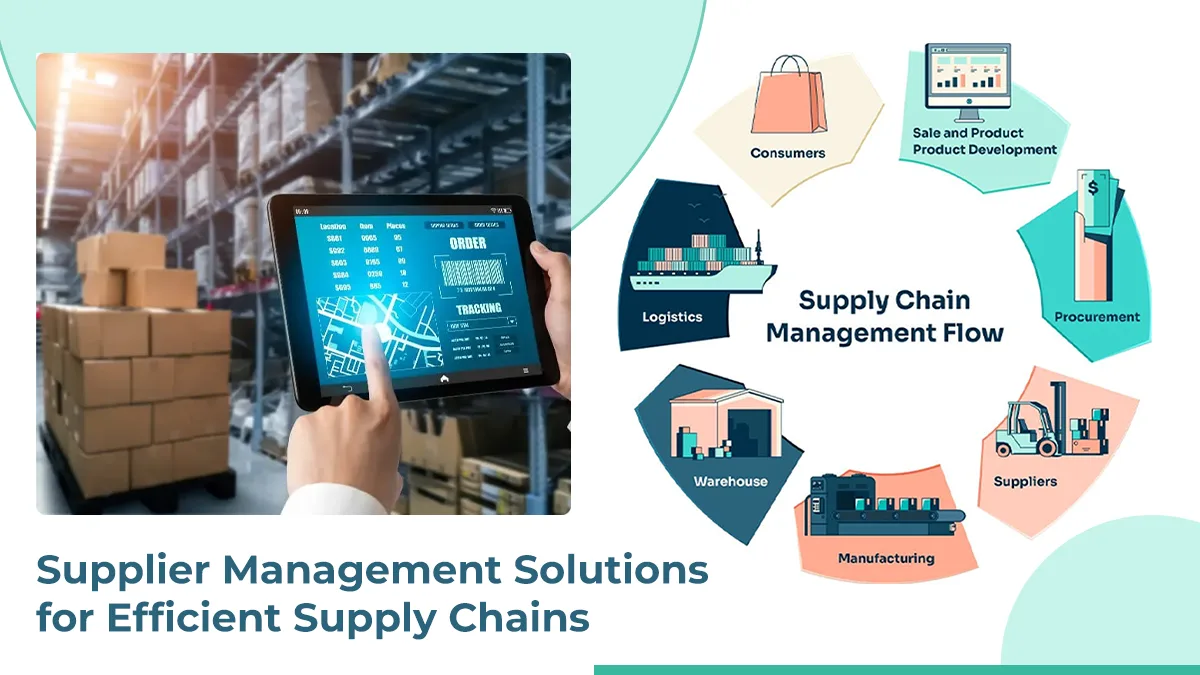
This is where supplier management solutions come into play. They consolidate all supplier data into one place. Thereby, it automates onboarding tasks, reduces compliance risks, and provides real-time visibility. Here, you manage structured documents rather than following them up. This change is not about technology; it is a strategic move toward smarter procurement.
This post discusses how these cloud-based solutions assist companies in managing supplier data efficiently. First, we will look at why traditional supplier management no longer meets today’s demands.
Problem with Traditional Supplier Management Systems
Most procurement teams work hard and give their best. The issue is not about a lack of effort but about the fragmentation of information, scattered over different places, such as-
Spreadsheets
Email attachments
Shared drives
Paper contracts
Manual compliance logs
This fragmented setup creates several problems. Some of these include-
Onboarding takes too long
Teams wait for documents
Approvals get delayed
Compliance checks happen after issues arise
Risk visibility is limited because data is not centralized
Performance reviews are inconsistent because reporting takes too much time
At the start, these problems might not be obvious. Later on, they slow down decisions, risks increase, and procurement loses its strategic edge.
To address the limitations of traditional systems, organizations use centralized, cloud-based platforms that manage the entire supplier lifecycle more effectively.
What Exactly Are Cloud-Based Supplier Management Solutions?
This platform manages all supplier activities in one place, thereby simplifying processes.
From onboarding new vendors and checking their qualifications to tracking compliance, monitoring risks, and evaluating performance, everything happens in a single, connected system.
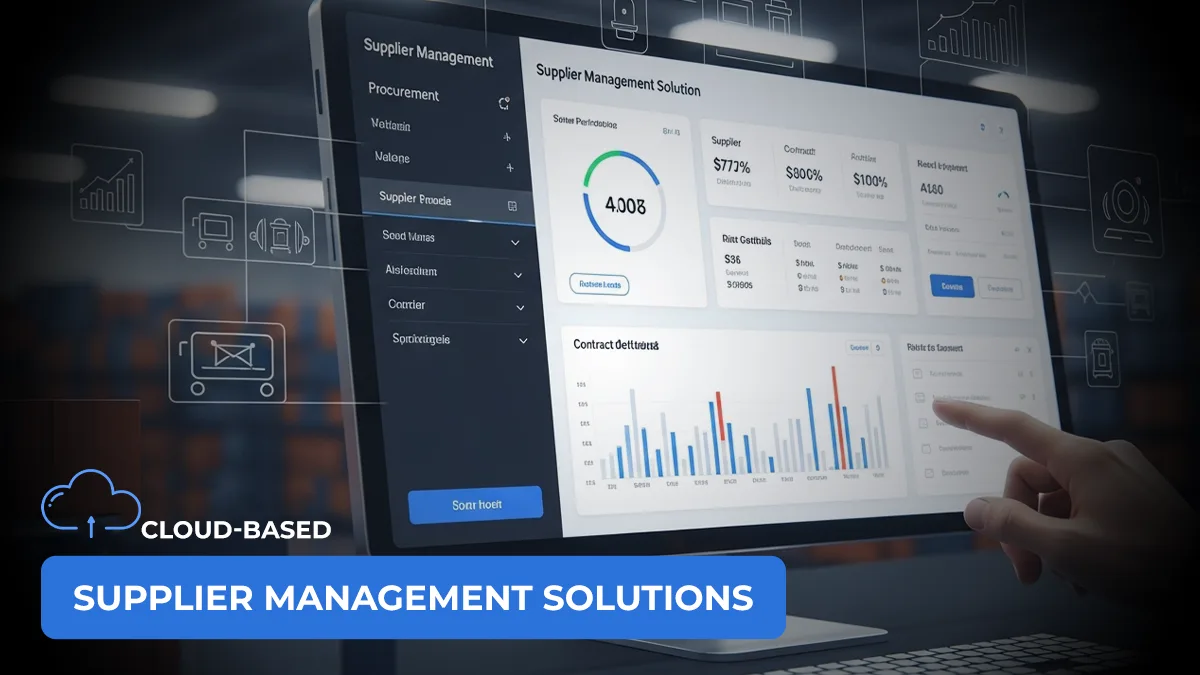
There is no need to search through emails or juggle spreadsheets. As it is cloud-based, you can access it from anywhere, making collaboration easier. The main features are automated onboarding, approval workflows, risk scoring, compliance tracking dashboards, document management, and performance analytics.
Additional benefits include-
No on-premise infrastructure
Remote access from anywhere
Automatic updates
Faster deployment
Scalable architecture
Procurement is like the engine of your business. Supplier management software solutions act as the control panel. It shows what is working, the potential risks, and areas where improvements are needed.
After understanding the platform, it is time to compare it to manual processes.
Manual Supplier Management vs. Supplier Management Software
While traditional processes may seem comfortable, they lead to unnecessary delays, missed opportunities, and potential risks. The approach often results in frustration and inefficiencies that hinder progress. However, the benefits of supplier management systems are undeniable.
The difference becomes clear when we look at how work gets done.
In a manual setup-
Onboarding depends on emails and PDF forms
Data is scattered across multiple systems
Risk monitoring is reactive
Compliance checks happen sporadically
Reporting takes far too long
With a supplier management platform-
Onboarding is automated
Data is stored in one centralized database
Risk alerts happen in real time
Compliance checks run automatically
Reporting is instant
Side-by-Side Comparison
Here is a table to quickly compare traditional systems with supplier management systems.
Capability | Manual Process | Supplier Management Software |
|---|---|---|
Supplier Onboarding | Email + PDF forms | Automated supplier onboarding software workflows |
Data Storage | Spreadsheets & folders | Centralized supplier database |
Risk Monitoring | Reactive | Real-time alerts & risk scoring |
Performance Tracking | Annual reviews | Continuous KPI dashboards |
Compliance | Manual checks | Automated compliance validation |
Scalability | Limited | Designed for global supplier networks |
Reporting | Time-consuming | Instant analytics & insights |
The difference is structural. Manual processes focus on transactions. Supplier management systems focus on relationships, risk control, and performance improvement.
Next, we will look at how exactly the software transforms procurement outcomes.
How Supplier Management Solutions Transform Procurement
The benefits of these solutions go far beyond technology. They change the way procurement teams work.
Faster Supplier Onboarding
With supplier onboarding software, collecting and verifying documents is automated. Suppliers submit all required documents through a secure portal. The system automatically checks for completeness. Approval workflows progress without manual intervention.
This reduces onboarding time by 40-60% in many organizations. It also enhances supplier experience. Suppliers come to know what they want. There is less back-and-forth communication.
The result? Faster onboarding, greater accuracy, and lower risks.
Real-Time Supplier Visibility
A centralized supplier management platform creates a single source of truth for all supplier information. As a result, it offers instant access to-
Contracts
Certificates
Insurance documents
Compliance records
Performance metrics
Risk scores
There is no need to search across folders or wait for updates. You can generate reports on demand. This enables faster, more informed decisions.
Proactive Risk and Compliance Management
Modern supplier management solutions come with built-in risk and compliance controls.
These features can be-
Automated alerts for expiring certifications
ESG compliance tracking
Financial risk monitoring
Audit-ready documentation trails
Risk scoring dashboards
During audits, you receive warnings in advance, rather than discovering problems. Instead of reacting to supplier failures, you identify exposure in advance before it turns into a problem. This type of control is very important where supply chain disruptions and regulatory requirements continue to evolve.
When risk and compliance are under control, procurement teams can focus on strategic initiatives and long-term value creation.
Data-Driven Procurement Decisions
Analytics that are embedded into supplier management systems turn raw data into actionable insights. You can-
Benchmark suppliers against KPIs
Identify underperformance early before it becomes a problem
Optimize how spending is allocated across suppliers
Strengthen negotiation positions
Align supplier performance with business goals
Data replaces guesswork by providing clear insights. So you can make informed strategies with confidence.
We will now jump into the implementation of the software.
How to Implement Supplier Management Platform the Right Way
Technology sets the foundation. To get the most out of the software, it is important to implement the system properly. These are a few steps that you can follow.
Step 1- Clean Data
Before implementation, it is necessary to-
Remove duplicate supplier records
Validate compliance documents
Standardize supplier categories
Cleaning data helps prevent confusion later by ensuring accuracy and consistency.
Step 2- Define Supplier Lifecycle
It is important to clarify your internal process, such as-
Qualification requirements
Risk thresholds
Performance metrics
Review timelines
Clear processes are critical to effective automation. It ensures smooth execution, fewer errors, and greater efficiency.
Step 3- Focus on User Experience
If the system is difficult to use, adoption will drop. Hence, it is crucial to choose intuitive supplier management software solutions where suppliers can upload documents easily.
Step 4- Integrate with Existing Systems
Another important thing is to integrate your supplier management platform with existing systems, such as-
ERP systems
Source-to-pay tools
Financial software
By following these steps, organizations can set supplier management software solutions for long-term success.
Concluding Remarks
Traditional supplier management uses spreadsheets and disconnected systems. This limits visibility and makes it hard to track performance and manage risks. There are chances of errors that hinder timely, informed decisions. On the other hand, cloud-based supplier management solutions bring control, automation, and real-time insight. It turns procurement into a scalable, strategic advantage. To support growth with confidence and clarity, now is the time to transform.
Procure Suite is a centralized platform that manages supplier data. Companies can automate supplier onboarding and track performance in real time. With better visibility and control, businesses can build stronger supplier relationships, minimize risk, improve efficiency, and scale with confidence. To see how Procure Suite can transform your supplier management process, contact us to book a free demo today.