


Overview
RFQ (Request for Quote) plays a crucial role in managing the procurement process. Effective RFQs facilitate companies in comparing supplier quotes. It reduces negotiation time and provides the best value for businesses to meet their procurement requirements. However, many companies struggle with creating RFQs to obtain precise pricing or supplier quotes. This may increase confusion and lead to failure of the procurement process.
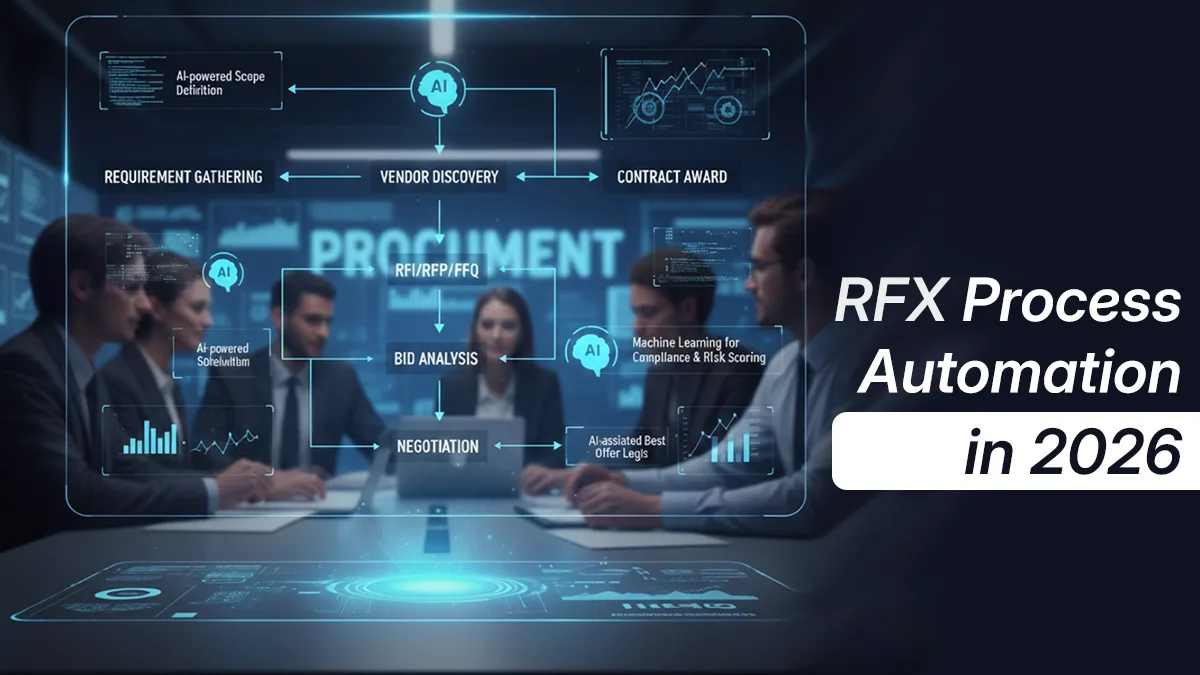
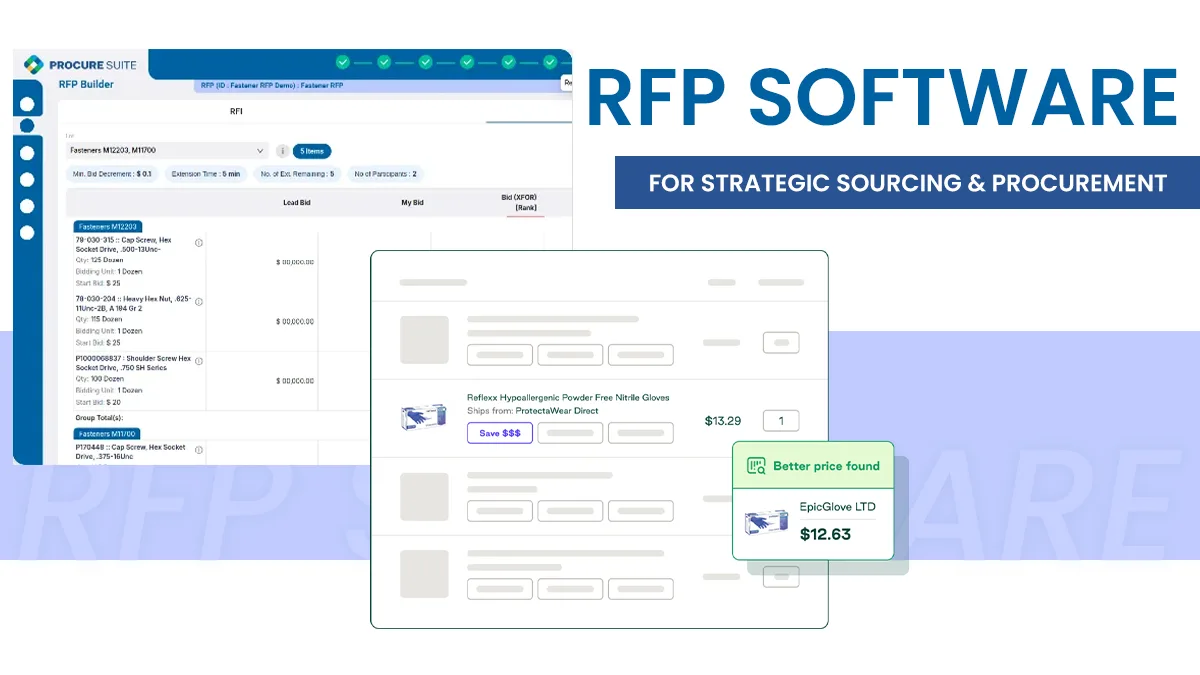
This blog discusses the scope of advanced tools for handling rfi rfp rfq processes. It also discusses the role of RFQ management software and e tendering platform to streamline these processes. Let’s begin with a real-life struggle for procurement teams in getting accurate supplier quotes.
Why Procurement Teams Struggle to Get Accurate Quotes
Let’s face it. Many procurement teams create RFQs using emails, spreadsheets, and scattered documents. This manual process may look manageable. However, as supplier networks grow, it becomes cumbersome. This can bring issues like
Inconsistent Supplier Response
Missed Pricing Details
Longer Communication Cycles
Difficulty in Comparing Vendor Proposals
Poor Documentation of Sourcing Decisions
A Deloitte report has revealed that inefficient procurement processes can reduce sourcing efficiency and delay supplier selection significantly. Here, the real issue is managing the entire RFI-RFP-RFQ process. Let’s understand this process before going through the key elements of a high-quality RFQ and the future of digital procurement.
Detailed Account of RFI, RFP, and RFQ Process
Sourcing follows three structured stages, and every stage has a different outcome.
Stage | Purpose | Key Outcome |
|---|---|---|
RFI (Request for Information) | Collect supplier capabilities | Identify potential suppliers |
RFP (Request for Proposal) | Evaluate supplier solutions | Compare approaches |
RFQ (Request for Quotation) | Collect pricing details | Select the best price |
When it comes to getting a quote, you can use RFI management software and RFP automation software to complete the process more effectively. Let’s understand the importance of RFQs for maintaining accuracy in procurement pricing.
Why RFQs are Useful for Accurate Pricing
RFQs are useful for making accurate financial decisions in real time. A well-designed RFQ enables procurement teams to compare supplier pricing clearly and identify hidden costs. Moreover, you can standardize supplier responses using RFQ management software or an e tendering platform. These factors are essential for better and more effective negotiations.
On the other hand, the absence of a structured RFQ process leads to comparison issues and difficulties with quotation formats. Tools, including RFQ management software, can standardize the supplier bidding process to ensure accuracy in pricing.
Key Elements of a High-Quality RFQ
A powerful RFQ requires clarity. Here we give the essential elements of a standardized RFQ.
1. Service/Product Specifications
Suppliers must understand what you are purchasing clearly. Therefore, your RFQ should include quality requirements, delivery expectations, compliance standards, and technical specifications. This can reduce the chances of pricing misunderstandings.
2. Standardized Templates
One of the biggest RFQ mistakes is enabling suppliers to respond in different formats. A structured RFQ template ensures vendors provide itemized pricing and delivery costs. Moreover, they can get the information about taxes and additional charges.
3. Defined Criteria
Suppliers should know the way their quotes will be evaluated. Typically, RFQ evaluation factors include delivery timelines, supplier reliability, and compliance with specifications. It is also useful to measure pricing competitiveness with increased transparency and trust.
4. Clear Deadlines
RFQ timelines extend indefinitely. It includes submission deadlines, clarification periods, supplier Q&A timelines. Modern RFQ software can manage these aspects automatically. This can help companies achieve their procurement deadlines.
5. Communication Channels
Suppliers often face questions related to clarification. An e tendering platform offers a centralized channel for communication. This prevents scattered email conversations and other issues related to coordination. It also ensures that all suppliers remain on the same page.
It is interesting to jot down the difference between manual and digital RFQ management.
Manual RFQ vs Digital RFQ
When procurement teams handle the RFQ process, they prefer digital RFQ management. Here is a difference between manual and digital management.
Feature | Manual RFQ Process | RFQ Management Software |
Supplier Communication | Email chains | Centralized Communication |
Document Management | Spreadsheets and Folders | Cloud-based Storage |
Quote Comparison | Manual Evaluation | Automated Comparison |
Transparency | Limited | Full Audit Trail |
Speed | Slow | Significantly Faster |
Digital RFQ solutions simplify complex procurement operations. They also ensure better supplier engagement.
How E-Tendering Platform Improves RFQ Efficiency
An e tendering platform streamlines the sourcing process and brings automation. It assists procurement teams to
Invite multiple suppliers at once
Automate the document distribution process
Collect structured responses
Analyze quotes instantly
This results in the reduction of sourcing cycles and improves supplier participation. Digtail e tendering tools can reduce sourcing timelines by 30 to 40 percent. Modern companies can leverage the benefits of RFQ automation using such advanced tools.
Real-World Scenarios: RFQ Automation
Here are three practical examples where RFQ automation can make a difference.
Manufacturing Procurement
A manufacturing company compares quotes from multiple suppliers for sourcing raw materials. Its procurement teams can evaluate pricing quickly and avoid supplier miscommunication using RFQ management software.
Infrastructure Company
Large infrastructure projects require structured vendor proposals. An e tendering platform ensures fair bidding and transparency in supplier selection.
IT Company
This company sources software and infrastructure services frequently. Advanced RFP automation software enables procurement teams to evaluate supplier capabilities.
Here, it is important to implement RFQ effectively to leverage its benefits. We can segregate this implementation process into different steps. Firstly, it is necessary to standardize the RFQ templates and pre-qualify suppliers with the help of RFI management software. The next steps are using RFP automation software to evaluate supplier proposals before moving to pricing discussions. You can use RFQ software or an e tendering platform to distribute RFQs to suppliers in the next step.
This is necessary for analyzing and negotiating with suppliers. Digital platforms can offer dashboards that highlight the lowest bids, supplier pricing trends, and potential saving opportunities for better negotiations and discussions.
Future of Digital Procurement Sourcing
Procurement technology continues to evolve, and leading sourcing platforms reflect it through advanced features. Some of the features include supplier recommendations, automated bid comparison, and supplier risk monitoring. A recent study from Gartner has suggested that organizations that adopt advanced digital procurement platforms can gain a noteworthy operational advantage.
We can expect that RFQ management will make procurement processes more data-driven in the future.
Concluding Remarks
When procurement teams face issues related to supplier quotes, mastering the RFI-RFP-RFQ process can assist businesses in collecting the right supplier information. Advanced tools like RFQ management software, RFI management software, and RFP automation software enable organizations to streamline sourcing and ensure precision in pricing. It is fair to say that structured RFQ creation is no longer optional for modern businesses.