


Overview
What if you could control costs without slowing down the procurement process? Well, modernization of procurement can make it possible. It can prevent overspending and offer real-time monitoring for companies. This helps streamline the process, reduce costs, and increase efficiency. Procurement teams can simplify the process and gain greater control.
This blog talks about the role of procure to pay software solutions in achieving these objectives. These are advanced solutions that deliver higher visibility and control without demanding high costs for your company. We will compare a modern P2P approach with traditional ones and explore the importance of choosing the right platform. Let’s start by digging deeper into the challenge of uncontrolled procurement costs.
Procurement Costs- Why They Go Beyond Control
Let’s face it. Procurement can break down over time for several reasons. Your teams add tools to solve specific problems related to different activities. A special tool for handling purchase requests, another tool for approvals, and an email tool for vendor communication can complicate the entire process. Moreover, it becomes more difficult and expensive to manage over the period. Here are the key issues that can increase procurement costs over the period.
More time spent chasing approvals
Limited visibility into actual spend
Manual data entry-related issues
Supplier follow-ups on payment delays
All these aspects lead to inefficiencies that contribute to higher costs. Here, procure to pay management software becomes useful. Teams that need more control without spending more can consider this software.
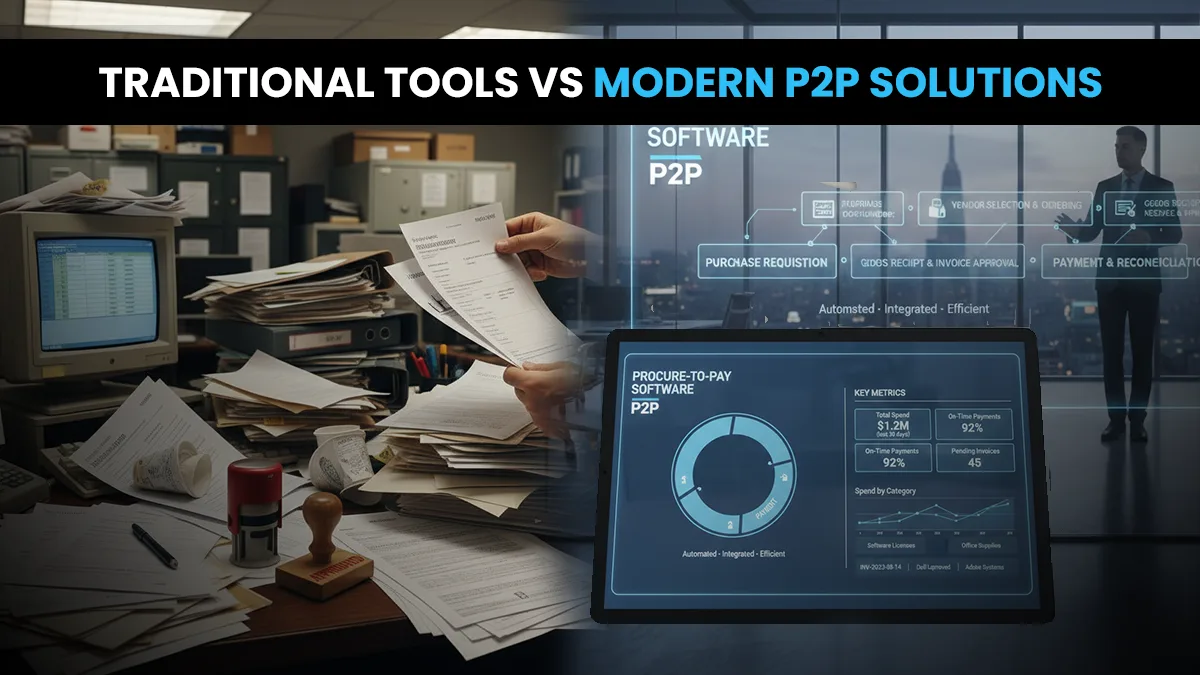
Traditional Tools vs Modern P2P Solutions
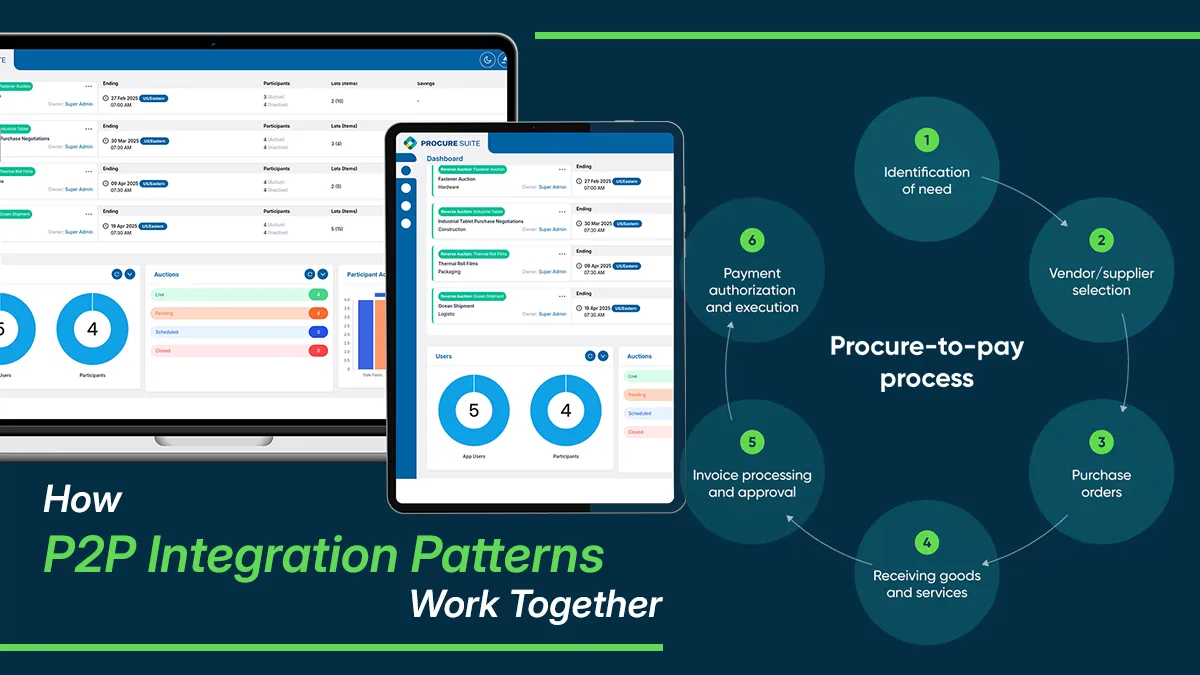
Let’s define P2P clearly before comparing an advanced P2P procurement system with traditional tools. Procure to Pay (P2P) is a series of operations from raising a purchase request to paying the supplier. It can handle purchase requisitions, orders, approvals, invoicing, and payments effectively.
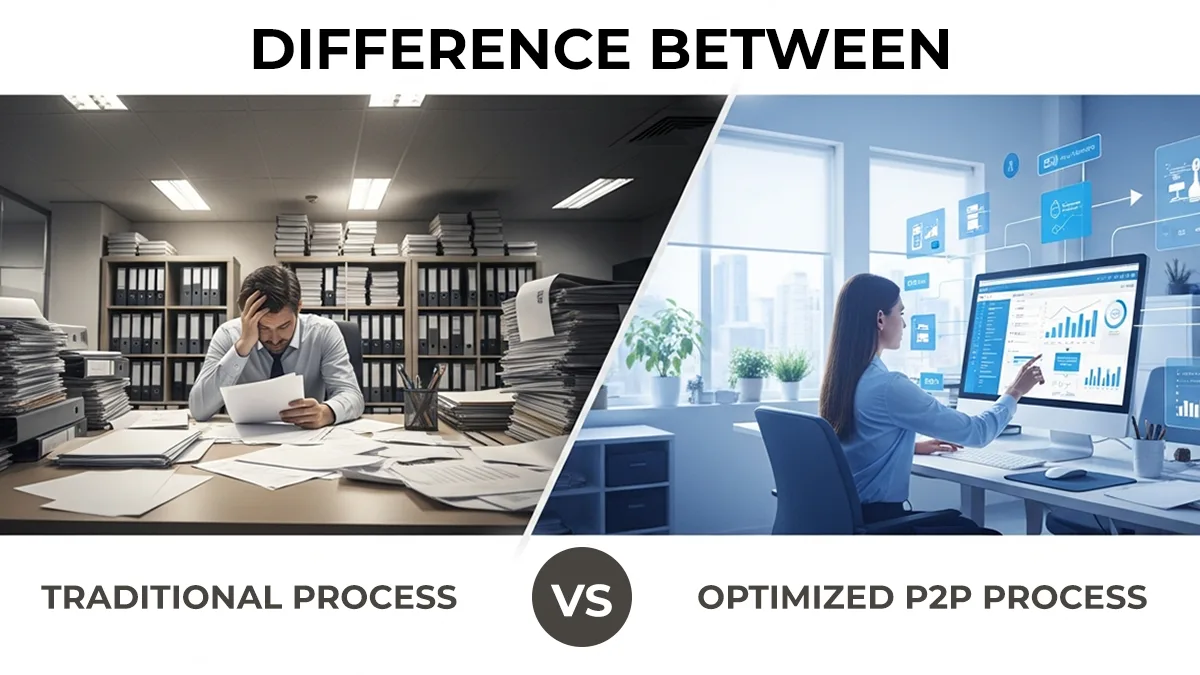
The traditional procurement process may appear cost-effective because they rely on multiple tools and manual workflows. However, it is this fragmentation that leads to inefficiencies and delays in the future. While the upfront investment on traditional setups may seem lower, the operational cost is higher than that of modern processes. Moreover, procurement teams must spend more time managing processes and face audit risks due to inconsistent documentation.
On the other hand, modern P2P procurement software can transform the workflow from request to payment into a unified, streamlined process. It has built-in features to replace manual checks and accelerate cycle times. It makes the procurement process more structured and efficient. Thanks to this software, teams gain insight in advance and take a proactive approach. These aspects lead to reduced total procurement costs even when budgets are tight.
Here is a quick table of comparison for traditional tools vs modern p2p software-
Factor | Traditional Tools | Modern Software |
|---|---|---|
System Structure | Multiple tools stitched together | Unified and end-to-end |
Approvals | Manual | Automated |
Reporting | Limited capabilities | Real-time visibility |
Cost Control | Reactive | Proactive |
Audit Readiness | Higher risks | Structured |
Savings Potential | Missed opportunities | Optimized management |
Cost Impact | Looks cheaper upfront | Reduced total procurement costs |
Let’s understand how this software offers big results without spending much.
How P2P Delivers Big Results Without Spending Big
There is a common belief that advanced procurement technology means high costs, but that is not always the case. The right procure to pay platform starts by eliminating waste in daily processes. It reduces approval delays, prevents off-contract spending, and improves supplier compliance. As a result, companies can achieve financial gains. In our experience, many teams recover the cost of their P2P investment simply by fixing foundational issues through the tool.
However, it is essential to select the right tool. Let’s go through the key features you should look for in the right platform.
How to Choose a Platform that Fits Your Reality
Every organization has its set of constraints and shortcomings. Some face struggles with teams, whereas others struggle with tight budgets. Therefore, there is no one-stop solution for cost-conscious businesses. The right procure to pay platform should be in line with the current operational reality. It is better to look for modular features that are scalable enough to start small and expand gradually.
Another factor is quick deployment. It is fair to say that delayed rollouts delay ROI. Moreover, a simple user experience is useful for driving adoption, and transparent pricing can prevent hidden costs that can spoil the budget. Simply put, you need to choose a platform that supports your business priorities for today while enabling your company to grow without increasing costs. It is better to consult a reputable procurement software provider to choose the right option.
Once you implement a well-aligned P2P system, you get quicker cycle times and lower processing costs as the first gain. As this system brings automation, you can get other benefits, including reduced approval time and minimal manual follow-ups. This can also reduce rework and the chances of errors. As a result, companies can reduce operational costs over the period. Teams can focus on more strategic tasks while saving time.
Apart from this, advanced procure to pay management software can strengthen spend control through built-in rules. These rules enforce policies in the background, so compliance happens naturally. Structured and streamlined workflows work wonders. It results in improved pricing, long-term partnerships, and high trust. However, companies should avoid some common mistakes while using this software.
Common Mistakes to Avoid When Using a P2P Solution
Companies must consider that they cannot ignore the fundamentals after integrating a budget-friendly P2P platform. One of the biggest mistakes is overlooking user adoption. Another common pitfall is poor data governance. Inaccuracies in supplier data and inconsistencies in coding can make insights unreliable. Many companies tend to overlook insights, but this may result in inefficiencies.
Wrapping Up
Cost pressure is prevalent in the process, but the right p2p procurement software can reduce its impact. It streamlines the process to offer more control and clarity. Procurement teams can gain real-time visibility, reliable automation, and streamlined workflows with a proactive approach. Over the period, these small improvements can increase efficiency and ownership to save more on operational and other costs.
Procure Suite is a feature-rich procure to pay software to manage suppliers, invoices, and payments. We offer more financial control and improved spend management with advanced functionality and robust analytics. Contact us to schedule a demo and learn more about the capabilities of Procure Suite in saving costs.