Overview
Supplier issues loom large for any organization. These issues affect costs, compliance, and delivery timelines. But here, suppliers are usually not at fault. The real reason behind these issues is the way of managing suppliers. It is always essential to follow a proven approach to onboard, track, evaluate, and collaborate with suppliers to address these issues. Thankfully, technology provides companies with the necessary assistance in this aspect.
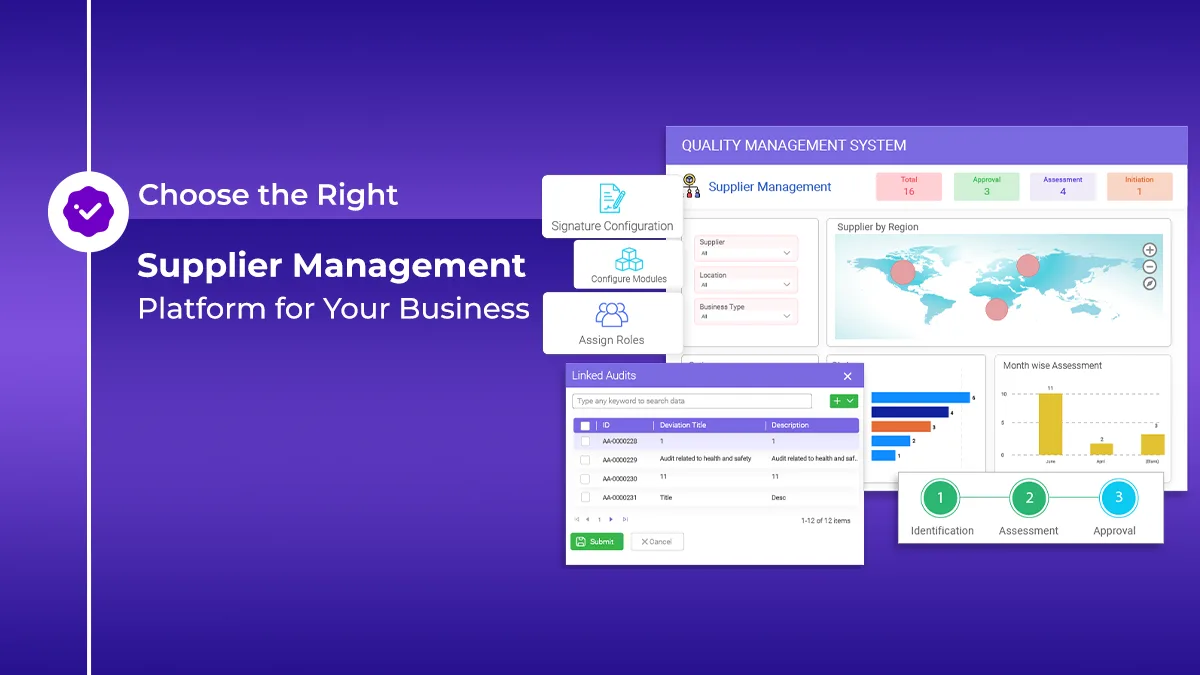
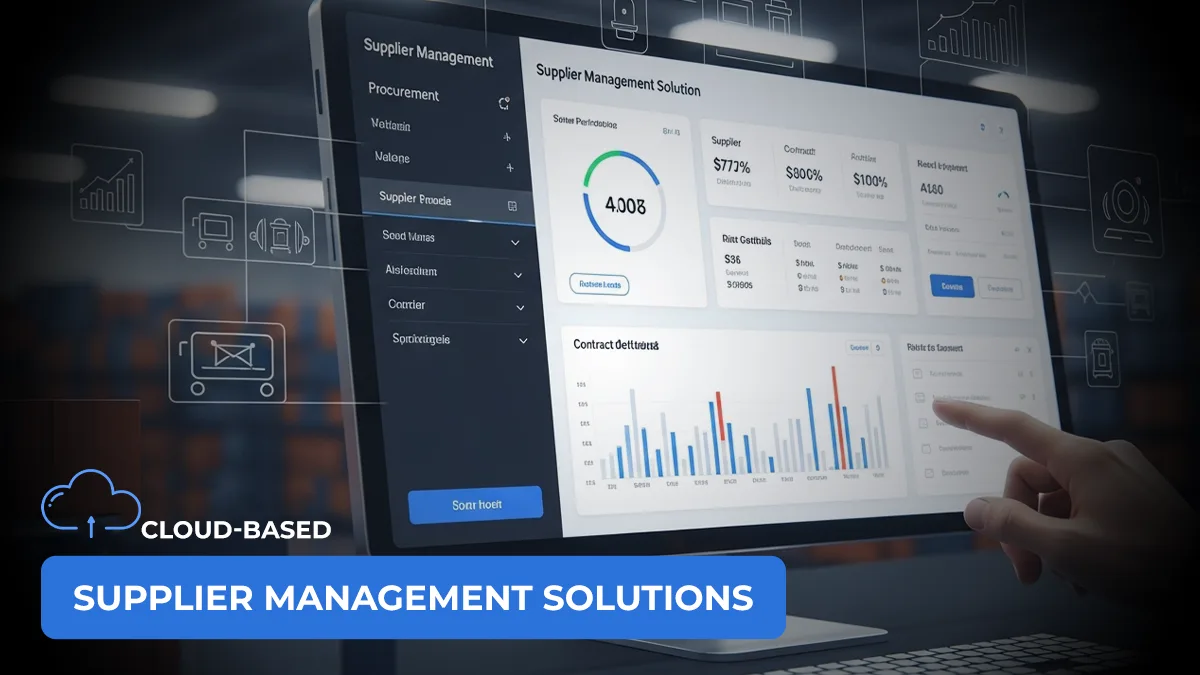
User-friendly supplier management solutions can offer a single system to onboard, monitor, validate, and collaborate with suppliers. They assist companies in making quicker, more insightful decisions that improve performance and reduce risks. Let’s take a look at how a supplier management system can add value and help companies drive growth.
Before moving ahead, let’s understand the risks related to managing suppliers manually.
Why Manual Supplier Management is Risky for Businesses
Supplier data is everywhere—contracts in folders, certifications in emails, and performance notes in spreadsheets. When an issue occurs, the entire team has to fix it. Here are some of the drawbacks of manual supplier management-
Inconsistency in supplier information
Sluggishness in onboarding
Missing compliance documents
Lack of performance visibility
High dependency on individuals
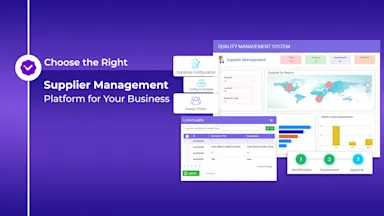
As the supplier base grows, all these hurdles hit the process and increase risk. Here, the supplier management tool comes into the picture. It is a centralized system that manages the entire supplier lifecycle, ranging from onboarding to performance and monitoring to collaboration. Let’s compare the supplier management solution with manual supplier tracking.
Supplier Management Software vs Manual Supplier Monitoring
Here is the comparison between an automated solution and a manual process for managing suppliers.
Aspect | Manual Process | Supplier Management System |
|---|---|---|
Supplier Data | Scattered | Centralized |
Onboarding | Email-driven | Automated workflows |
Compliance tracking | Manual Checks | Alerts & validations |
Performance | Limited | Real-time insights |
Audit readiness | Low | High |
Scalability | Poor | Built-in |
Simply put, supplier management systems offer companies more control and visibility while handling the lifecycle.
Key Features of Modern Supplier Management Solutions
Supplier management solutions with core capabilities can improve procurement and sourcing processes effectively. Here are the top features of supplier management software solutions.
- Supplier Onboarding Software
It automates data collection, document uploads, approvals, and validations. This is beneficial for reducing onboarding time and errors.
- Centralized Master Data
It keeps profiles, contracts, and certifications in a single place. This feature ensures that all details are updated and accessible every time.
- Compliance and Risk Tracking
It monitors documents, certifications, and policy adherence with alerts. This is useful for taking a proactive approach.
- Supplier Performance Management
This feature is useful for monitoring KPIs like quality, delivery, and responsiveness to support objective evaluations.
- Collaboration and Communication
This is one of the most important features to create a structured space for supplier interactions to reduce email dependency.
Simply put, when you want to select the right supplier management system, these features are necessary. It is interesting to jot down the ways this system improves business outcomes.
How Supplier Management Software Improves Business Outcomes
A user-friendly supplier management platform can improve business performance and offer tangible value over time. Here are the ways through which a supplier management software solution can help you drive growth-
- Quicker Onboarding and Sourcing
A supplier management tool automates data collection, document verification, and approvals. It reduces onboarding time significantly. It ensures full supplier compliance and remains ready for sourcing requirements.
- Lower Operational and Compliance Risk
This tool has built-in alerts and validations to help the sourcing team track certifications, contracts, and policy requirements in real time. It gives companies a proactive approach to prevent expired documents and missed audits.
- Improved and Insightful Decisions
Centralized performance data offers real-time insights into quality, delivery, and reliability. Companies can make informed decisions based on facts and trends instead of assumptions or preferences using this tool.
- Stronger Supplier Relationships
This is a major advantage of supplier management solutions. This software creates trust among suppliers through clarity and transparency. This leads to more collaborative and reliable long-term partnerships for enterprises.
However, it is essential to select the most suitable option from the available supplier management solutions to leverage these benefits. Furthermore, it is better to integrate your supplier management tool with the existing ERP systems or procurement platforms. Companies can also consider integrating the solution with CLM (Contract Lifecycle Management) tools. Let’s go through some crucial use cases to get a better idea about the scope of this solution.
Real-Life Use Cases- Which Supplier Management System Is Right
Here, theory meets reality. Let’s take examples of companies across different core industry sectors that utilize supplier management systems.
Use Case 1: Multinational Company
It is cumbersome for the MNC to manage global suppliers and service providers as it grows. A supplier management system with advanced features can standardize onboarding and ensure compliance. This also gives visibility into supplier risks and their performance to the leadership.
Use Case 2: Service Provider Company
A mid-sized service provider firm has a higher dependency on fewer suppliers. Thanks to the management software, the company got structured supplier data and real-time performance monitoring of suppliers. It reduces reliance on individuals and handles processes effectively.
Use Case 3: Manufacturing Company
The company has tens of thousands of direct and indirect suppliers, which makes it difficult to monitor performance and meet compliance. An advanced tool for supplier management can reduce supply disruptions and support auditing through automation.
A customizable and scalable supplier management platform can bring automation and streamline workflows for maintaining relationships.
Concluding Remarks
The right supplier management software can give visibility, control, and consistency to modern businesses. It is easy to use for teams and assists you in monitoring the supplier’s performance in real time. However, it is necessary to choose the right solution to leverage these benefits in your company. Hope this guide will help you understand the role of a supplier management solution in driving growth.
Procure Suite offers a centralized platform for managing suppliers. Companies can improve supplier relationships by automating tasks related to their onboarding and contract management. Our robust and reliable procurement management software assists you in building strong supplier relationships and automating onboarding with real-time performance monitoring. Contact us to schedule a free demo and understand the scope of the Procure Suite.