


Introduction
Suppliers are an integral part of every business. From onboarding new suppliers to tracking performance, each aspect of supplier management needs a proper management structure. However, managing suppliers manually using spreadsheets is time-consuming and requires manual effort. It results in scattered information, slow communications, and other operational risks.
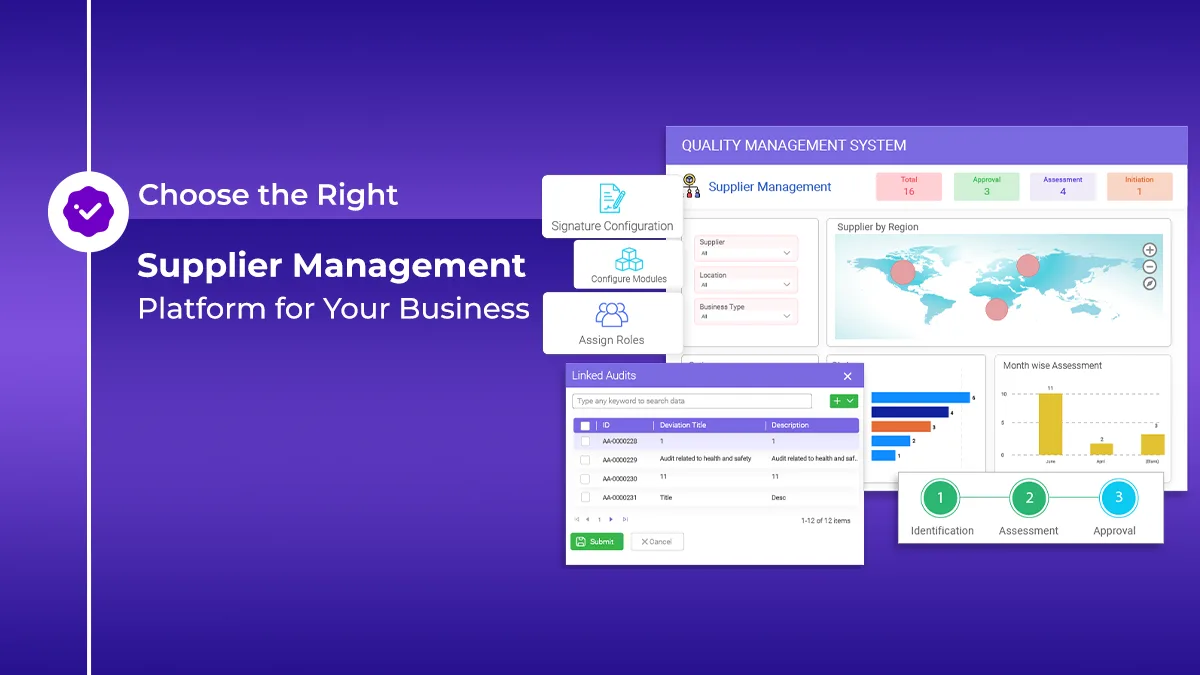
To achieve the desired accuracy in supplier management, investing in a good supplier management software can be a smart decision. Supplier management platforms are helping businesses organize all supplier data, automate workflows, and improve across internal teams.
In this guide, we’ll explore the top features a business should look for in supplier management systems.
What Is Supplier Management Software?
It is a digital platform that helps organizations manage supplier connections, data, and performance in a single user interface.
It enables businesses to:
Store and organize supplier information
Automate supplier onboarding
Monitor supplier performance
Mitigate risk and compliance
Today, many software providers provide facilities like supplier onboarding to bring new vendors into the system quickly. In simple terms, these tools help businesses manage their entire supplier lifecycle more effectively.
Here’s a quick comparison between traditional supplier management and modern supplier management platforms.
Traditional Supplier Management vs Modern Supplier Management Platforms
Before we move towards the key features, let’s go through a quick comparison between Traditional Supplier Management vs Modern Supplier Management System.
Feature | Traditional Supplier Management | Supplier Management Platform |
|---|---|---|
Data Storage | Spreadsheets for data management and emails for communication | Centralized database |
Supplier Onboarding | Manual paperwork | Automated onboarding workflows |
Performance Tracking | Limited visibility | Real-time analytics |
Communication | Email-based | Integrated collaboration tools |
Risk Monitoring | Reactive | Proactive monitoring |
A modern supplier management platform offers better visibility, faster processes, and stronger control over the supplier network.
Now, we will explore some top features a business should consider before choosing software for its workflows.
Top Features to Look for in Supplier Management Software
It is important to take time to learn about a supplier management solution. Evaluating your business needs can help you choose the best system. It all starts with understanding the features that truly support supplier management processes.
Here are some important features a business should look for in software.
1. Supplier Onboarding Automation
One of the most important features to look for while considering a supplier management system is automated supplier onboarding. This software allows new suppliers to submit their information through digital forms. It removes the need for manual paperwork.
Supplier onboarding automation includes:
Supplier registration forms
Document uploads
Compliance checks
Approval workflows
This automation saves time and reduces administrative work for procurement teams.
2. Centralized Supplier Database
A feature-rich software enables a business to store all necessary information in a single platform. It eliminates the need to go through multiple databases and supports smooth operation. A good software allows you to store all information, such as
Company details
Certifications and documents
Contracts and agreements
Communication history
Such software offers database centralization, which enables quick access to accurate supplier information. A centralized database in software enables quick access to accurate supplier information whenever required.
3. Supplier Performance Tracking
A good supplier management system helps businesses evaluate vendors. Because all suppliers have their own delivery consistency. In such situations, software can help you analyse a supplier’s performance and make data-driven decisions.
Following these metrics helps businesses evaluate their vendors seamlessly.
Delivery timelines
Product quality
Responsiveness
Compliance records
With performance data in software, organizations can make better supplier decisions.
4. Risk and Compliance Management
Mismanagement of supplier data affects the operations, finances, and reputation of a business. A good supplier management solution often includes tools to monitor and manage supplier risks.
These tools help businesses track:
Regular compliance
Financial stability
Certifications and documentations
Risk alerts
It helps businesses identify potential issues early and take preventive actions.
5. Contract Management
Managing multiple supplier contacts manually is a challenging situation, especially in large businesses. Supplier management systems often include contract management features that allow the team to:
Store supplier contracts
Track contract renewal deadlines
Receive reminders for contract updates
It ensures a smooth business process with efficient data management.
6. Supplier Communication Tools
Communication with the supplier is a part of everyday business processes. Modern platforms offer built-in communication tools. It allows procurement teams and suppliers to communicate using the system.
It reduces the need to rely on email conversations and keeps communication streamlined.
7. Workflow Automation
A feature of automation in supplier management reduces the need to do repetitive tasks manually and improves efficiency.
Supplier approvals
Document verification
Contract renewals
Compliance updates
8. Analytics and Reporting
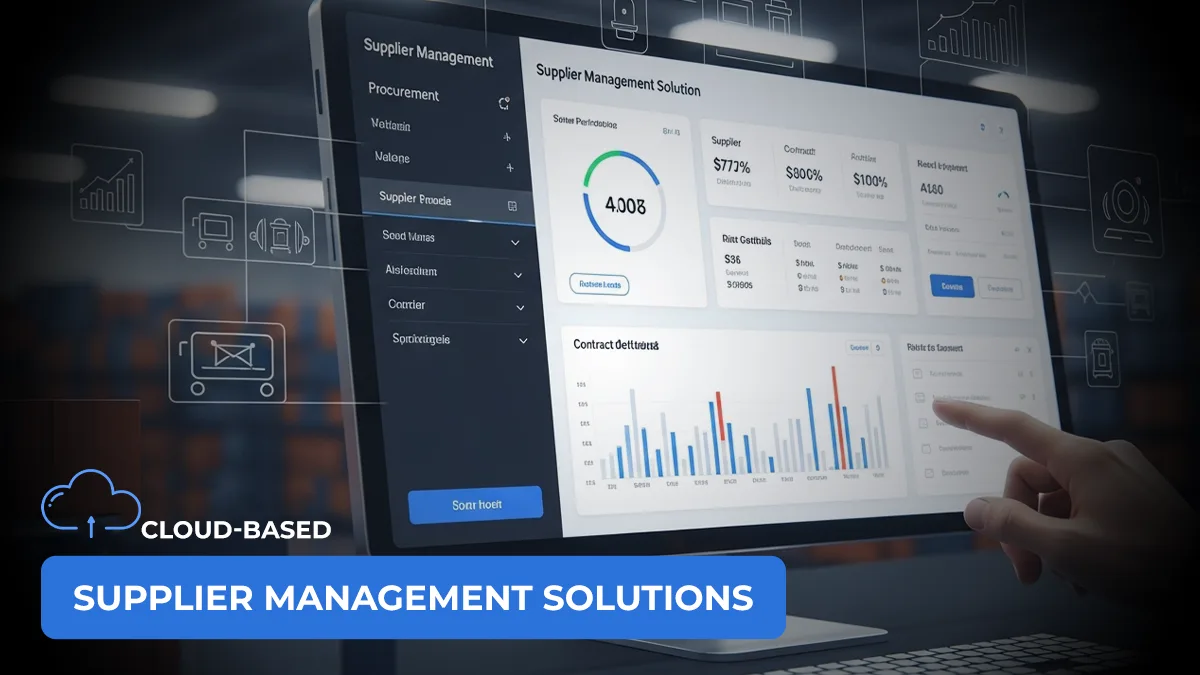
Every business prefers to make data-driven decisions in day-to-day operations. A good software provides detailed reports and a dashboard that helps businesses make sound decisions. It helps analyze supplier performance and procurement activities in real -time.
It offers
Supplier performance reports
Compliance status reports
Procurement spend analysis
These insights help organizations receive a supplier behavior overview and improve their supplier strategies.
9. Integration with Existing Systems
Recently, most companies have integrated systems like ERP, procurement platforms, and accounting tools into their operations. A sufficient software easily integrates with existing systems for smooth data flow across platforms.
Easy integration reduces duplicate work and helps businesses achieve efficiency.
10. Security and Access Control
All business data-related suppliers include sensitive information that needs strong security. A reliable supplier management system provides security as mentioned below.
Role-based access control
Secure document storage
Data encryption
These security measures ensure strong protection of sensitive information and compliance.
Let’s see some examples where this software can be helpful.
Real-Life Scenarios Where Supplier Management Software Helps
Now, let’s go through some real-world scenarios where businesses can implement a supplier management system to streamline workflows.
Growing Manufacturing Companies
Manufacturers deal with multiple raw material suppliers on a regular basis. A supplier management platform helps track performance as well as maintain quality standards.
Global Enterprises with Complex Supply Chains
Large enterprises deal with hundreds of suppliers across different regions. Using supplier management solutions helps centralize supplier data and maintain compliance across markets.
Fast-Growing Retail Businesses
Retail companies often require new supplier onboarding.
New vendors can be added quickly with supplier onboarding software. It also ensures that they meet compliance requirements.
Let’s see some key factors a business must consider before choosing the right supplier management solution.
How Businesses Can Choose the Right Supplier Management Software
Evaluating key factors in your business helps you decide which software would meet your needs. Like,
Scalability of the business
Ease of use
Integration capabilities
Reporting features
Automation capabilities
Working with the right software helps you ensure the system aligns with your long-term procurement goals.
Conclusion
Today, supplier management solutions are helping organizations decentralize supplier information, automate onboarding, and monitor supplier performance.
Businesses can improve procurement proficiency with management software features such as automated supplier onboarding, performance tracking, workflow automation, and analytics.
When businesses invest in the right supplier management platform, it ultimately helps manage their supply chain with confidence.
Procure Suite is an all-in-one supplier management system that helps businesses manage their supplier relationships with ease.
Get in touch with our dynamic team for custom supplier management solutions.