Introduction
Today’s procurement landscapes have become more competitive than ever. Procurement teams are under constant pressure to source faster, reduce costs, and improve the quality of outcomes.
That is why many organizations turn to e sourcing platforms to replace traditional methods. But just adopting them does not assure success. Some organizations face challenges with time-consuming workflows, inconsistent pipelines, and slow adoption of new sourcing tools. Choosing the wrong platforms can result in wasted budgets, poor adoption, and minimal return on investment.
Here is the good news. The process to choose the best esourcing software no longer seems overwhelming or risky. When organizations follow a clear, data-driven approach, they can easily evaluate, shortlist, and implement the right solution in just 90 days.
This blog gives a three-phase approach to help you select the right software. First things first. Let us understand why e sourcing platforms are essential in modern sourcing strategies.
Importance of e sourcing platforms
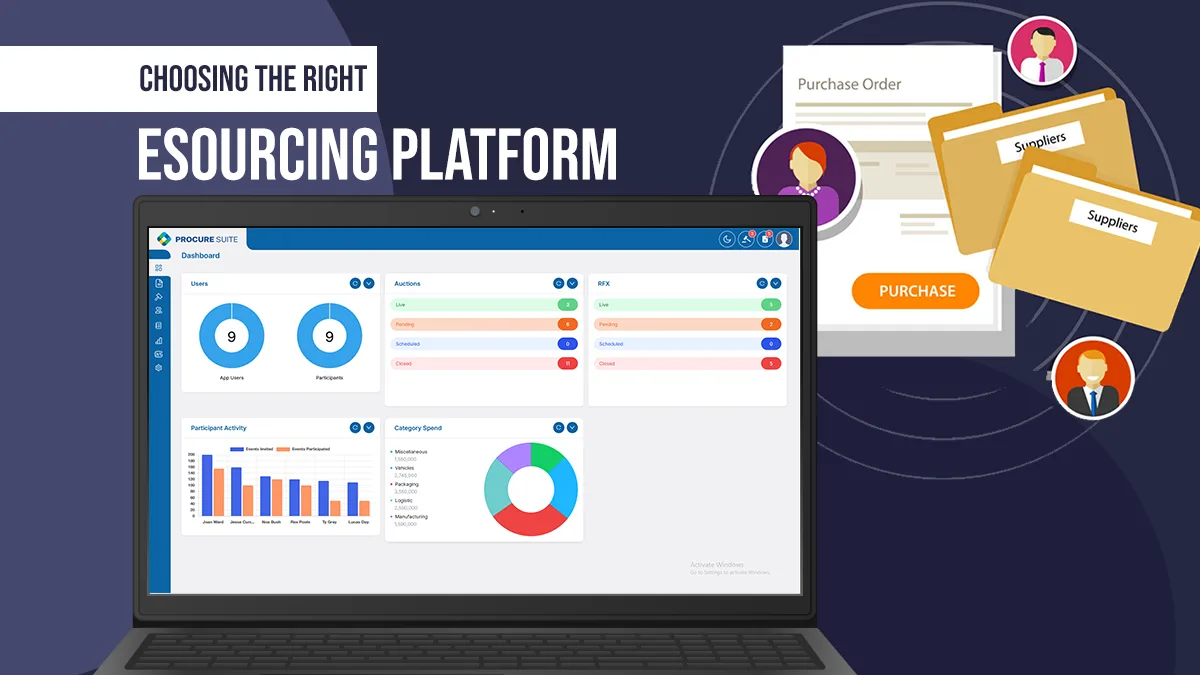
These are digital tools that streamline and optimize the process of identifying, evaluating, and engaging suppliers. Instead of using spreadsheets, email-driven workflows, and scattered data, teams can manage sourcing activities in one place and make decisions with better visibility and confidence.
Simply put, they can follow a more centralized and strategic approach. It is also important to understand how eSourcing tools differ from other procurement technologies. e sourcing platforms focus on finding options, evaluating them, and starting meaningful engagement.
An e procurement platform manages purchasing workflows, approvals, and transactions. A full e-Procurement system brings together sourcing, procurement, contract management, and analytics into a single, connected ecosystem.
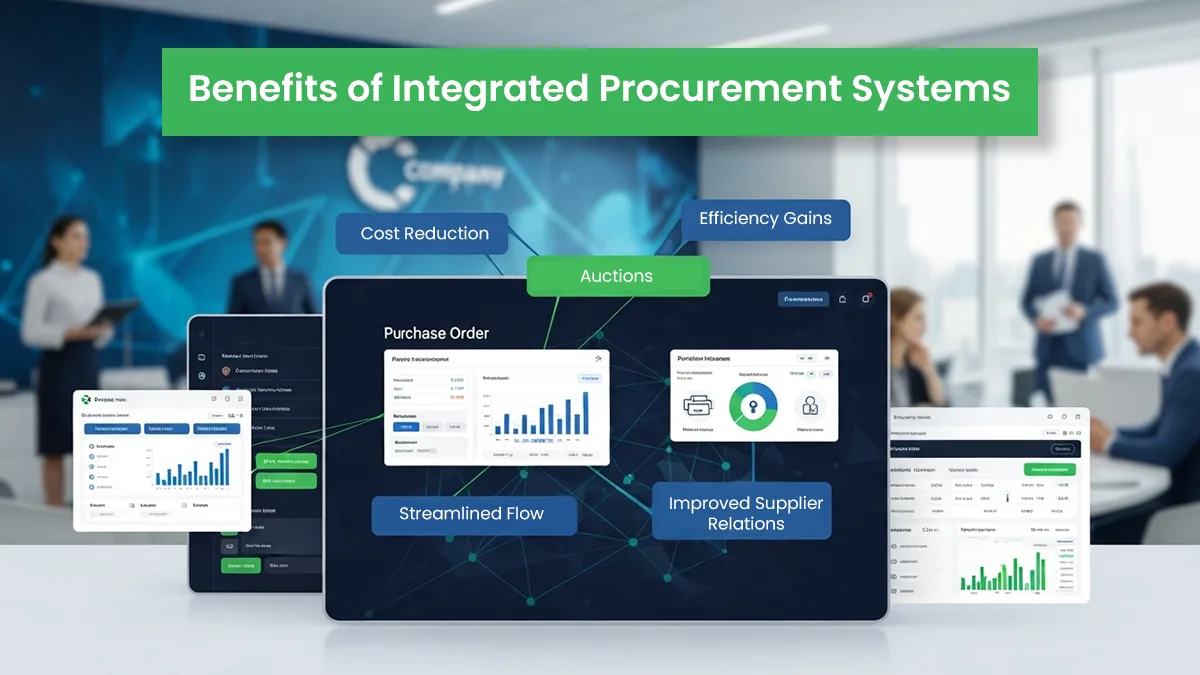
The benefits of modern e-sourcing software are significant. Organizations can source faster, gain data visibility, and stay aligned with compliance requirements. There is increased transparency as well, which makes it easier to assess suppliers and reduce risk.
Today’s e sourcing platforms do not just increase operational efficiency. They support strategic sourcing initiatives, advanced recruitment and talent intelligence, and help organizations save both time and money. When implemented correctly, they become a real competitive advantage and not just another tool.
Organizations can fully leverage their benefits only when they pick the right one. So, having the right structure is important.
90-Day Framework to Select best esourcing software
Selecting an e-sourcing platform without a structured timeline often leads to two extremes- rushed decisions or months of endless valuations. Both can lead to increased risk and delayed results. However, following a simple 90-day framework helps strike the right balance.
This approach divides the process into three focused phases-
Assessment and Shortlisting (Days 1–30)
Trials and Evaluation (Days 31–60)
Implementation and Optimization (Days 61–90)
Each phase follows the previous one. Let’s jump into this in detail.
Phase 1- Assessment and Shortlisting (Days 1–30)
In the first phase, organizations must understand their requirements and create a list of top platforms. The following steps will help.
Define Business Needs and KPIs
Businesses should first align their eSourcing goals with broader business objectives. They can ask simple questions- do we want to hire faster, bring in more supplier types, or expand into new markets?
Once organizations are clear on their goals, they can define measurable KPIs such as time-to-source, source-of-hire, cost-per-hire, and diversity or supplier performance metrics.
Next, organizations must look closely at their current sourcing challenges. Some common ones are manual searching, low response rates, or finding specialized and technical profiles. Companies must identify these issues early on. Otherwise, even the most advanced eSourcing tools will fall short.
These metrics will act as a guide for evaluating tools and measuring success moving forward.
Establish Budget and Scope
Budget planning should include the total cost of ownership- training, implementation, system integrations, and ongoing support. A platform that may seem affordable at first can become expensive if adoption is poor or requires customization.
Scope is important as well. Large enterprises may need a solution that scales easily and supports global operations. On the other hand, smaller businesses may prioritize ease of use and fast deployment. Your sourcing needs must be clear- whether local, regional, or global.
Research eSourcing Market
The eSourcing market has different types of tools. Dedicated e sourcing platforms help with talent discovery and engagement. AI-powered talent intelligence tools offer deeper insights and predictive analytics. CRM and sourcing suites can manage the entire workflow. Meanwhile, contact enrichment tools improve data quality.
Shortlist e sourcing platforms
According to your needs, you should limit your options to just three to five tools. SAP, Ariba, Jaggaer, and Ivalua are ideal for large enterprises, while Procurify suits small businesses. Coupa and Mercell are good for user-friendly interfaces and strong integration. If you want a scalable, integrated, all-in-one solution, then Procure Suite is the right choice.
Phase 2- Trials and Evaluation (Days 31–60)
The next phase involves testing the platforms with hands-on trials. Here’s how you can do it.
Request Demos and Free Trials
When you request vendor demos, ask to demonstrate how their platform handles your sourcing challenges. Demos must reflect your real-world use cases, not mere sales presentations.
One should keep in mind to ask how their data is updated, how intuitive their AI features are, and how smoothly the platform integrates with your existing systems.
Build Evaluation Scorecard
With an evaluation scorecard, you can compare tools objectively. Key features should include must-have features, ease of use, ATS or CRM integrations, reporting and analytics, and customer support quality. Thereafter, it is necessary to weigh each category based on your organization’s priorities.
Conduct Hands-On Testing
Hands-on testing gives meaningful insights. You can conduct parallel sourcing campaigns using live requisitions or sourcing needs. Then measure results against your defined KPIs and clearly document the differences across platforms.
Gather Feedback from Team
User adoption is critical to success. You should involve sourcers or procurement professionals in the evaluation process. If users do not want to use it, even a powerful platform will fall short. Having early feedback helps in determining training and whether management needs any changes.
Phase 3- Implementation and Optimization (Days 61–90)
In the third and final phase, businesses must launch the chosen platform, fine-tune workflows, and ensure smooth adoption. For this, you can go through these steps.
Final Selection and Contract Negotiation
You can use scorecard results and insights from trial data to make a clear, objective final decision. During negotiations, pricing transparency, scalability clauses, and exit terms must be top priorities. A flexible contract reduces long-term risk and allows the system to adapt as per your needs.
Develop SOPs and Workflows
It is essential to document standard operating procedures that show how the eSourcing tool works in daily workflows. Clearly defined processes maintain consistency across teams and help prevent misuse and underuse of the platform.
Training and User Adoption
Structured onboarding is necessary for success. Organizations must give role-based training to teams, tailored to specific user needs, and track early adoption metrics. A fully trained team can contribute to a company’s bottom line faster.
Integration and Go-Live
You should connect the platform with your ATS or wider e-Procurement system to create a single source of truth for your data. When integration is seamless, it minimizes duplicate information and leads to more reporting accuracy.
Monitor, Optimize, and Scale
After launch, organizations must regularly monitor KPIs and collect feedback from users. These insights help improve workflows and prepare the platform for future growth.
Now, organizations can focus on maximizing their e-Sourcing strategy.
Concluding Remarks
Choosing the right e-sourcing platform is about finding a tool that fits a company's team and objectives. Following a structured 90-day approach helps organizations boost efficiency, improve outcomes, and maximize ROI. In due course of time, the platform can become a reliable partner that makes sourcing smarter, simpler, and more effective.