Overview
Organizations often use Enterprise Resource Planning (ERP) systems to oversee finance, accounting, and operational data. However, these platforms cannot fully support everyday procurement activities. Procurement teams today handle responsibilities that extend beyond purchasing. They work on strengthening supplier relationships, ensuring compliance, managing sourcing activities, and reducing costs. Still, some organizations use separate systems for managing these tasks. As a result, teams find it difficult to maintain transparency and coordination across procurement operations.
Integrating a procurement management system with an ERP platform can help solve these challenges. Organizations gain clearer access to purchasing data and financial information. This connection reduces manual work, supports automation, and helps teams manage procurement workflows more efficiently.
This post explains why ERP integration with procurement management software is key to creating seamless workflows. We will begin by looking at why disconnected procurement systems lead to inefficiencies in organizational processes.
Why Fragmented Procurement Systems Slow Down Business Operations
Organizations often use several tools for procurement operations. ERP systems handle financial data such as budgets, invoices, and payments, while procurement teams use separate platforms for sourcing and supplier management.
Working separately, these systems can create problems. Procurement teams have to transfer information from one platform to another manually. This creates communication gaps between procurement and finance teams.
One common challenge is manual data entry between procurement systems and ERP platforms, which leads to a higher chance of errors. There may be delays in purchase approvals due to disconnected workflows. Also, there is limited visibility into procurement spending and supplier activities. Poor coordination between procurement and finance teams can further complicate processes. Mistakes in purchase orders, invoices, or supplier records may occur more frequently.
These challenges affect the efficiency of procurement processes and increase the risk of operational mistakes. Teams may spend more time reconciling information between systems than on strategic procurement tasks.
As organizations expand, managing procurement with disconnected tools becomes challenging. When the number of suppliers increases and sourcing becomes complex, companies need systems that can scale with their needs.
For this reason, organizations use procurement management systems.
Why Modern Procurement Management System Matters
Procurement is no longer just about buying and ordering. Teams now have a more strategic role in organizations. They help control costs, improve supplier performance, and manage risks across the supply chain.
Procurement teams manage many responsibilities, such as supplier onboarding, contract management, sourcing strategies, and procurement analytics. They can manage these tasks effectively by using systems that handle procurement operations.
Basic ERP systems do not fully support these activities. They mainly look after finance-related tasks like invoices, payments, and accounting. Also, they provide limited support for sourcing activities and supplier collaboration.
Because of this, many organizations adopt enterprise procurement software or specialized e procurement platforms to manage procurement processes more effectively. These tools offer features that help teams run sourcing events, evaluate suppliers, and analyze procurement data.
The main benefits come when procurement platforms integrate with ERP systems. Both systems can share data automatically. It also helps finance and procurement teams work more efficiently.
This difference becomes clearer when we compare the ERP-Based procurement module with integrated procurement management platforms.
ERP-Based Procurement Module vs Integrated Procurement Platforms
Here is a quick comparison of both systems.
Feature | ERP Procurement Module | Integrated Procurement Management Software |
|---|---|---|
Visibility | Limited reporting | Real-time procurement analytics |
Supplier management | Basic supplier records | Advanced supplier lifecycle management |
Sourcing events | Limited tools | Digital sourcing and auctions |
Workflow automation | Basic approval chains | End-to-end procurement automation |
Integration flexibility | Restricted | Designed to connect with enterprise tools |
It is clear from the table that ERP systems mainly focus on financial transactions and accounting tasks. Procurement management software, on the other hand, focuses on supplier collaboration, sourcing strategies, and procurement optimization.
When these systems integrate, organizations gain the advantages of both platforms. Procurement platforms handle sourcing activities and supplier workflows, while ERP systems manage financial records and budgeting data. This integration helps procurement and finance teams to work with synchronized data and streamlined processes.
It is interesting to see the evolution of such software in eProcurement solutions.
How Top Procurement Software Solutions Continue to Evolve
As organizations look for better ways to manage procurement, technology in this area continues to develop. Today, many leading procurement software solutions include features that support teams in focusing on strategic goals.
One noticeable change is the growing use of artificial intelligence technology in procurement analytics. AI-powered spend analysis helps organizations review purchasing data across suppliers, contracts, and categories. They can identify cost-saving opportunities that could easily be missed.
Another important development is predictive supplier risk monitoring. Modern procurement platforms use supplier data and risk signals to identify issues before they affect the supply chain.
Along with these advancements, other capabilities also play a key role in shaping procurement systems.
Advanced digital sourcing tools support complex sourcing events and online auctions
Real-time analytics dashboards provide clear visibility into spending trends and supplier performance
Cloud-based collaboration features enable procurement teams and suppliers to communicate easily from different locations
Automated workflow management reduces manual intervention in procurement processes
Organizations do not have to depend anymore on manual processes or fragmented systems. These advancements allow them to manage procurement activities through integrated digital platforms.
What Seamless Procurement Workflows Look Like in 2026
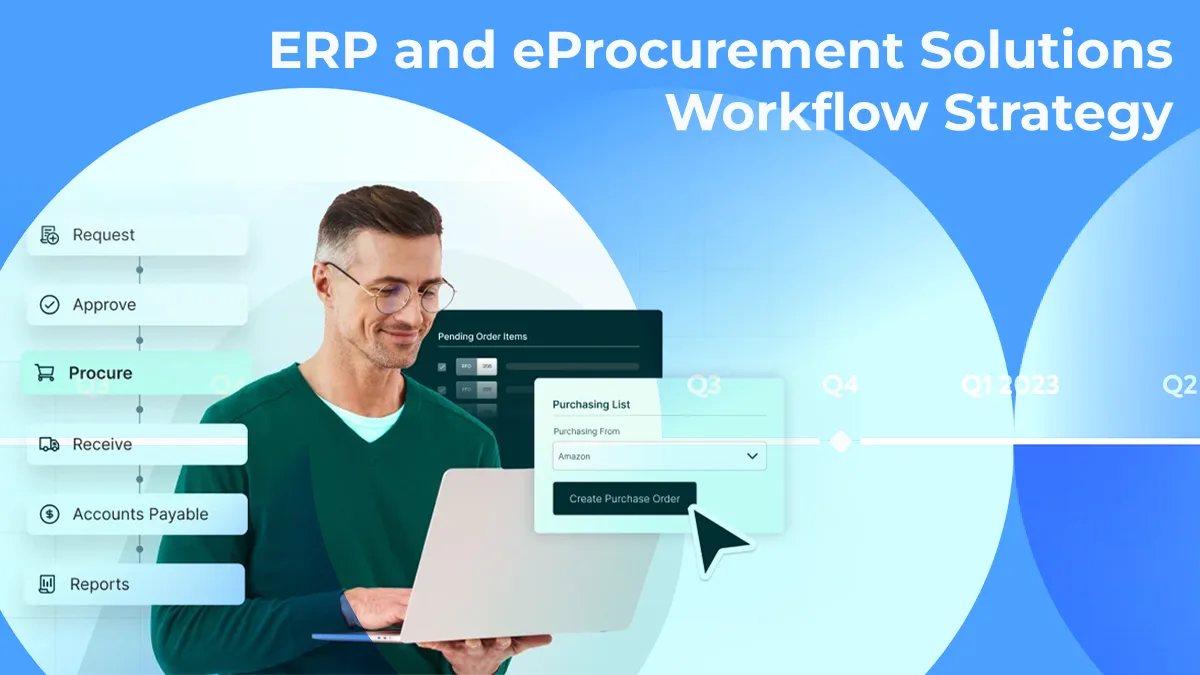
With the advent of technology, many organizations make use of connected procurement ecosystems. Here, procurement platforms, ERP systems, and supplier networks operate as a unified workflow.
This is how a typical workflow may look.
An employee submits a purchase request through the procurement platform
The system reviews approved suppliers and pricing
The platform launches a sourcing event or digital auction if required
Suppliers submit bids, and buyers select the best option
The system generates and records the purchase order in the ERP system
This reduces manual work such as transferring data between systems or handling approvals over email. It also gives procurement and finance teams better visibility. They can track supplier performance, monitor spending, and maintain accurate financial records.
Such connected workflows show how integrated systems transform procurement operations.
Concluding Remarks
As procurement becomes more strategic, organizations need systems that go beyond basic financial tracking. A procurement management system streamlines purchasing processes, improves supplier collaboration, and offers better visibility into spending. Integration with ERP systems creates a connected setup that enables smoother and more efficient decision-making across procurement and finance teams.