Definition
In cost accounting, direct materials refer to any tangible elements included in a product. Ingredients for a cake, auto parts, and fabric for apparel are a few straightforward examples of direct materials in production.
In manufacturing enterprises, direct material spending accounts for up to 80% of overall spending. Over 80% of your pricing strategy, competitive advantage, quality, customer satisfaction, and innovation potential would be represented by this. Direct materials are simple to detect, quantify, and link to manufacturing costs directly.
Direct Material Sourcing
Direct procurement depends on supply stability, but market instability and price swings are some challenges. Long lead periods, international suppliers, and a significant reliance on forecasting and logistics performance are included.
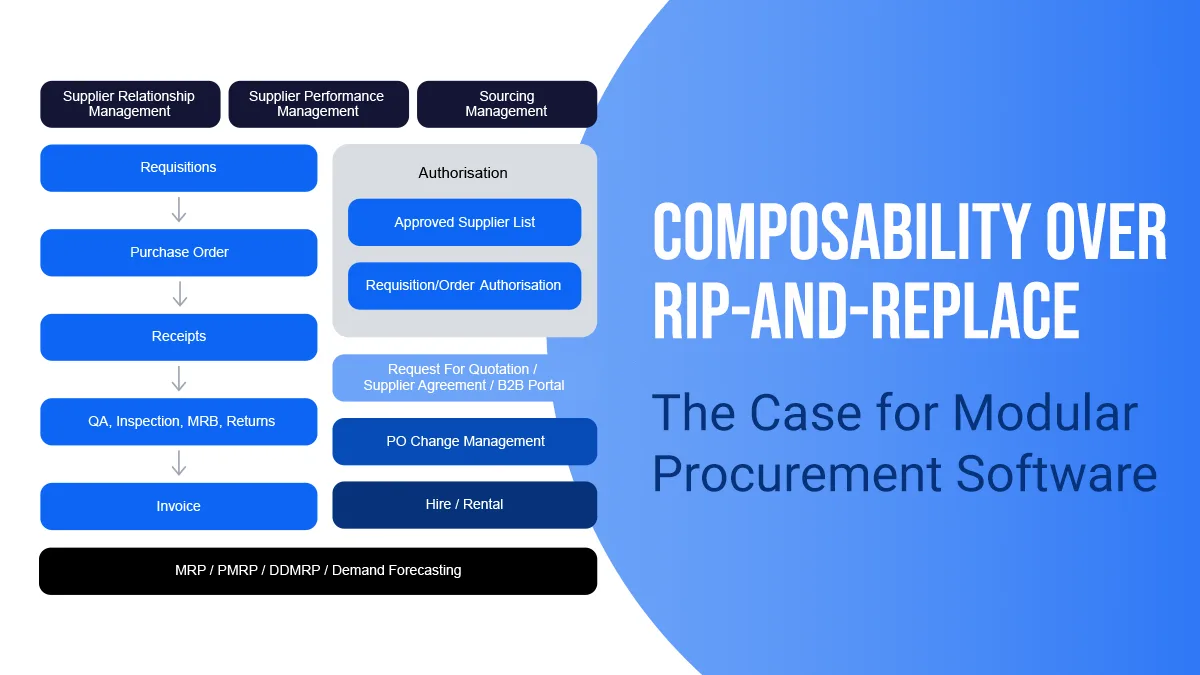
For direct material sourcing, knowledge, experience, thought, and care are essential. Purchasing direct materials necessitates substantial coordination, as there are several internal and external partners and countless operations to plan, track, organize, and manage.
Quality management is crucial to direct purchases, as a product’s quality is determined by the direct materials used. This impacts competitive edge and customer experience, too. Different material types and categories have other quality management procedures.