Introduction
EPC (Engineering, Procurement, Construction) projects bring many challenges, including massive investments, long project timelines, and complex supplier networks. Procurement plays a critical role in ensuring all EPC projects stay on schedule and within a predetermined budget. Whether construction companies manage infrastructure-related projects or industrial plants, commercial buildings or energy facilities, procurement is essential for timely completion.
In such a scenario, modern construction procurement has become a strategic business function. Procurement teams coordinate with Project managers, Contractors, Suppliers, Engineering teams, and the finance department. These teams manage fluctuating material costs, contract compliance, and project deadlines. Construction companies must consider the use of source-to-pay software for these activities.
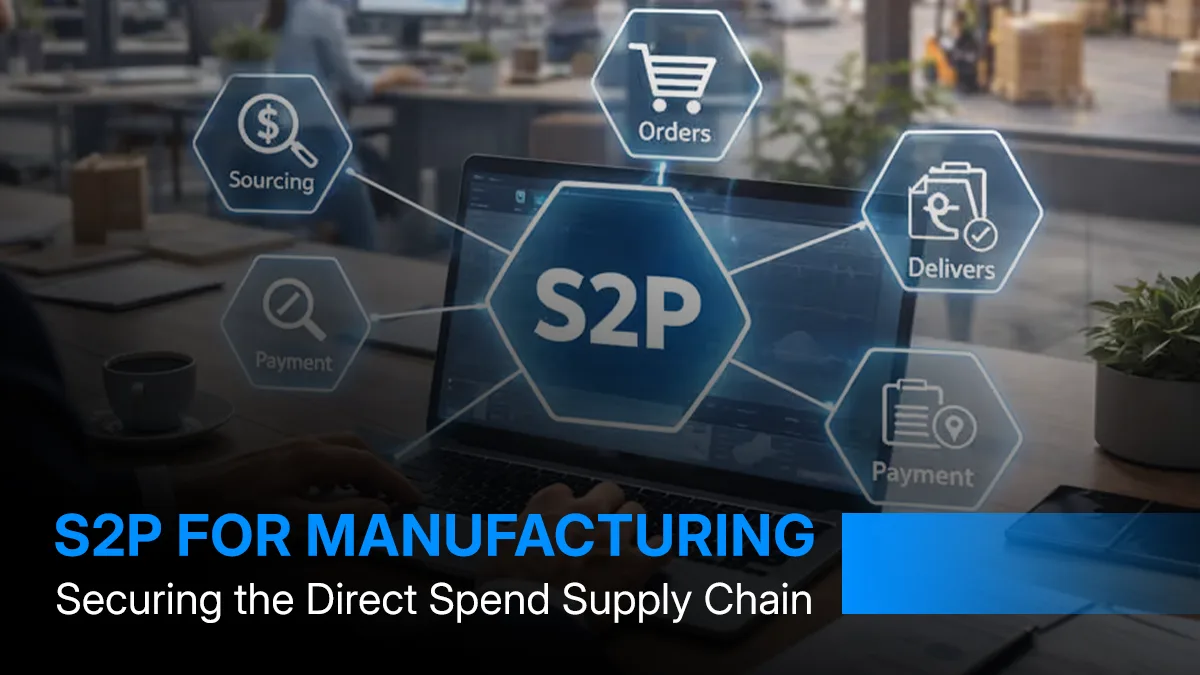
Source-to-pay software combines sourcing, supplier management, approvals, and payments. EPC & construction companies can increase visibility and optimize spending through this software. The procurement team normally works with the project manager, contractors, suppliers, the engineering department, and the finance department.
Variable costs of material, contract compliance, and timelines are some of the issues procurement teams face. Construction companies can address these issues through Source-to-Pay software. This post shows the role of S2P strategies in streamlining EPC procurement, improving project outcomes, and building resilient operations for simplifying complexities.
Why Procurement is Different in EPC & Construction Projects
Construction procurement is way different from the normal purchasing process. EPC projects involve unique purchasing requirements. These requirements keep on changing as per the project’s different phases. As a result, procurement in construction has nothing to do with repetitive environments. Procurement teams in construction companies need to manage-
Structural materials
Mechanical and electrical equipment
Heavy machinery
Civil works contractors
Engineering consultants
Safety equipment
Specialized project services
This leads to different technical specifications, contractual terms, delivery schedules, and supplier risks. This is why organizations opt for integrated Source-to-Pay Construction solutions. These solutions provide centralized visibility from planning through payment in the procurement lifecycle.
Importance of Source-to-Pay Strategies in Construction Sector
Delays and cost overruns are two major challenges for construction and EPC procurement teams. Apart from these challenges, teams have to deal with multiple stakeholders, material price volatility, and the complexity of supplier networks. Effective collaboration between various departments may prove useful for procurement executives in overcoming these challenges. Your procurement teams can tackle challenges, such as a lack of communication and poor visibility, by using effective communication.
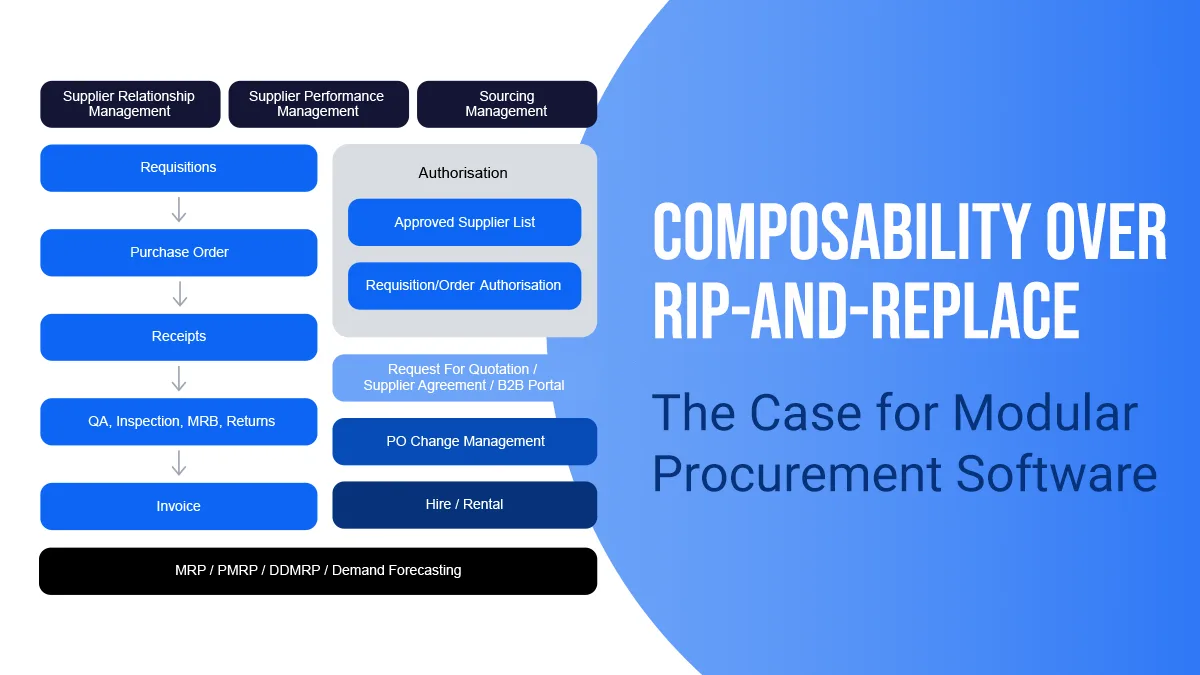
The Source-to-Pay construction strategy ensures that all the dots in the procurement process are connected to form an integrated, standardized process. This source-to-pay approach has elements such as procurement planning, tender management, contract approvals, purchase requisitions, bidding, goods receipt, and payments. Centralization of information helps companies gain control over their spend.
10 S2P Strategies for EPC and Construction You Should Know
Here are the top Source-to-Pay strategies for EPC and construction companies.
1. Effective Procurement Planning
Proper procurement planning can lead to success by ensuring that the right materials, equipment, and contractors are available as and when needed. Planning for procurement typically includes the identification of procurement risks and defining packages. EPC and construction procurement teams develop sourcing schedules, estimate budgets, and align the process with project milestones.
2. Improved Sourcing through Better Visibility
Every construction project involves sourcing decisions. Modern project sourcing covers technical capability, resource availability, delivery performance, safety records, and contract compliance of suppliers. Procurement teams of the EPC company also evaluate project experience and long-term potential for partnerships while selecting the right supplier. Centralized procurement data enables companies to compare and select suppliers easily.
3. Selection of Right Contractors
Contractors are essential to meet the deadlines of EPC project delivery. An effective contractor sourcing process includes the evaluation of workforce capability, safety performance, technical experience, previous project experience, and project delivery history of contractors. Client references are also useful in selecting the right contractor. Construction companies that standardize the evaluation process can make more informed sourcing decisions.
4. Manage Procurement Across Large Projects
Large capital projects require several months or even years to get completed. However, during this time, procurement teams must manage changing project requirements, contract amendments, and budget revisions. It is fair to say that organizations must ensure centralized visibility during the procurement process. The lack of visibility leads to contract inconsistencies, budget overruns, supplier disputes, and poor documentation.
5. Strengthen Contract Management
This is one of the most important strategies in EPC and construction projects. Contractors are more than service providers in this sector. They are key contributors to delivering the project on time, and their performance directly affects construction quality, project schedules, and safety standards. This is a reason an effective contractor management approach is essential for organizations. This approach includes their evaluation and selection as per the project needs.
6. Handle Construction Supply Chain
Construction projects depend on a highly interconnected, complex network of suppliers, logistics providers, manufacturers, and contractors. The construction supply chain has become increasingly complicated because of fluctuations in raw material prices, transportation disruptions, and extended supplier lead times. A disruption at any point in this supply chain can delay project completion. Modern S2P solutions help companies improve supply chain visibility.
7. Better Management of Suppliers
Selecting the right supplier is the first step. The success of long-term projects depends on better supplier or vendor management throughout the procurement lifecycle. This is a reason why procurement teams should monitor contract compliance, material quality, delivery performance, responsiveness, issue resolution, and cost consistency. Regular review of supplier performance helps companies identify preferred suppliers.
8. Improving Spend Optimization
Any procurement process should contribute to reducing purchasing costs and optimizing spend. It is, however, necessary to consider that focus on the lowest purchase price can bring significant risks to the project. Spend optimization is useful for this reason. It balances the project cost by ensuring the supplier’s reliability and material quality. Spend optimization also considers long-term value, project continuity, and contract delivery performance.
9. Building Robust Governance
Large EPC projects need multiple departments, numerous approval levels, and many stakeholders. Strong procurement governance can help companies handle it all effectively. The lack of standardized governance may result in inconsistent decisions and difficulties in auditing. Strong procurement governance brings clarity in approval hierarchies, controls budgets, monitors compliance, and fulfills the document requirements.
10. Connect Every Stage of Procurement
Each stage of the procurement lifecycle influences the next stage. Such an integrated lifecycle includes procurement planning, supplier identification, purchase requisition, goods receipt, invoice verification, etc. A unified Source-to-Pay platform can manage these activities to improve collaboration and increase transparency. It also enables procurement teams to identify issues and reduce manual intervention. EPC and construction companies can follow best practices with these strategies to gain optimum outcomes in every project.
How Procure Suite Supports Construction and EPC Procurement
Procure Suite is a modern source-to-pay software that connects various projects, departments, suppliers, and contractors for procurement. As an advanced procurement management software, it provides full visibility into supplier expenditure and performance. In terms of the construction procurement process, it strikes the balance between cost control, supplier reliability, and governance. Procure Suite consolidates all the source-to-pay processes for better efficiency.
Supplier onboarding, configurable approval workflows, procurement analytics, contract management, and purchase order & requisition management are some of the core features of Procure Suite. This end-to-end solution automates documentation and manages the procurement lifecycle across different projects. Construction and EPC companies can make informed procurement decisions and finish the projects on time with the help of Procure Suite.
Conslusion
A well-defined procurement process is necessary to ensure that materials, equipment, contractors, and suppliers remain available when required. An integrated source-to-pay construction strategy connects every stage of the procurement lifecycle. Successful EPC and construction companies can improve project procurement, strengthen contractor management, and streamline supplier onboarding with an S2P solution.
Complicated projects of EPC and construction companies have bigger and more demanding requirements. Source-to-pay software can simplify these needs and assist companies in building sustainable operations for future business growth.