Overview
Supplier management is a complex process that involves the maintenance of spreadsheets. When organizations work with large supplier networks, multiple categories, and stringent compliance requirements, it is always cumbersome to manage. This leads to the need for a more structured way of managing.
The right supplier management software helps organizations centralize processes like supplier onboarding, performance monitoring, and risk assessment. It enables companies to improve collaboration across the entire supplier lifecycle. Procurement teams can use a supplier management system to bring consistency in onboarding and performance monitoring.
It is, however, necessary to choose the right platform for leveraging these benefits. Different companies have various requirements related to selection criteria, procurement processes, ERP environments, and levels of digital maturity. This buyer’s guide includes such aspects to help you make the right purchasing decision.
Let’s start with the necessity of having a robust supplier management system for modern enterprises.
Key Reasons Organizations Need Supplier Data Management Systems
Supplier management goes beyond the procurement process. Suppliers influence several aspects, including product quality, service continuity, compliance, operational efficiency, and customer experience. It is fair to say that supplier management is a continuous process that begins with onboarding.
Effective supplier management tools help procurement teams to
Centralize supplier records
Standardize supplier onboarding
Reduce duplicate supplier information
Automate document collection
Monitor supplier performance
Improve communication
Maintain audit-ready records
Support better sourcing decisions
The core objective of a reliable supplier management system is to create a repeatable process for managing relationships throughout their lifecycle. Let’s go through the major features of the right supplier management solution.
Key Features to Consider for the Right Supplier Management Software
A supplier management platform with the necessary features and seamless performance can improve the entire procurement process. Here are the features you should look for in supplier management software.
1. Centralized Information
A robust platform has a centralized supplier database. It enables users to access current supplier information. The right system should contain business profiles, contacts, certifications, documents, categories, locations, and other related attributes. A centralized database also assists in preventing duplication and maintaining consistency.
2. Supplier Onboarding
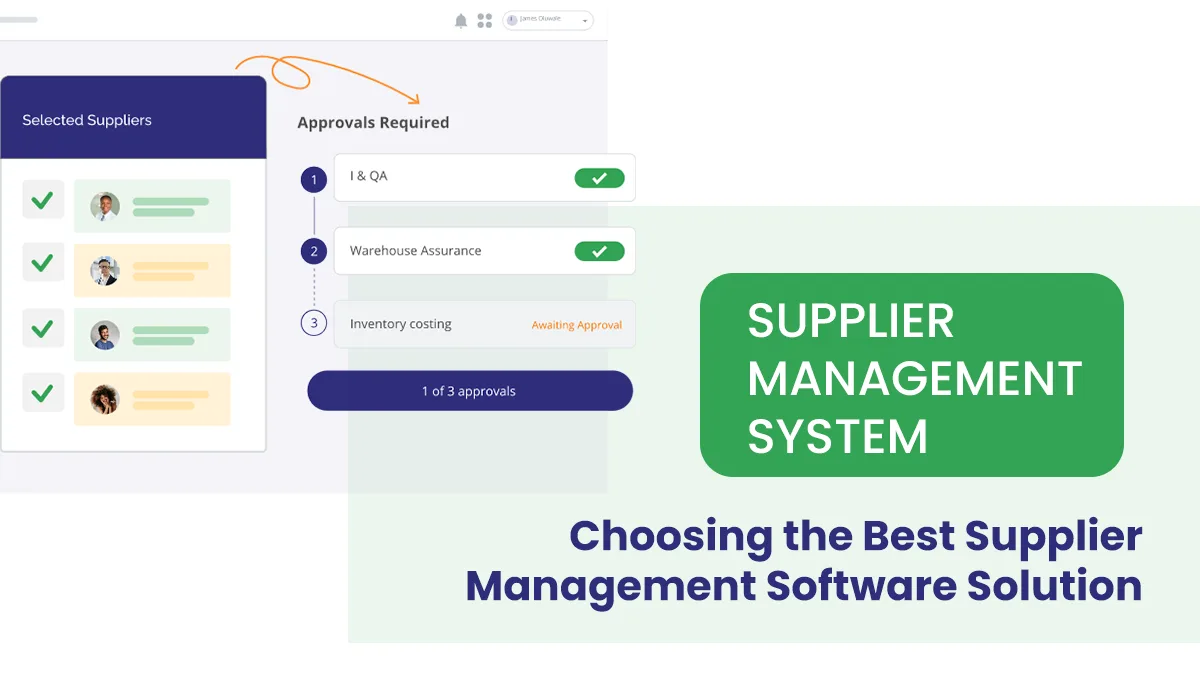
Traditional supplier collaboration includes emails, spreadsheets, and manual follow-up. This can cause delays and problems in establishing whether the supplier has met the requirements. Good supplier onboarding software will allow organizations to establish standardized processes for gathering data and documents from suppliers.
3. Portal Application
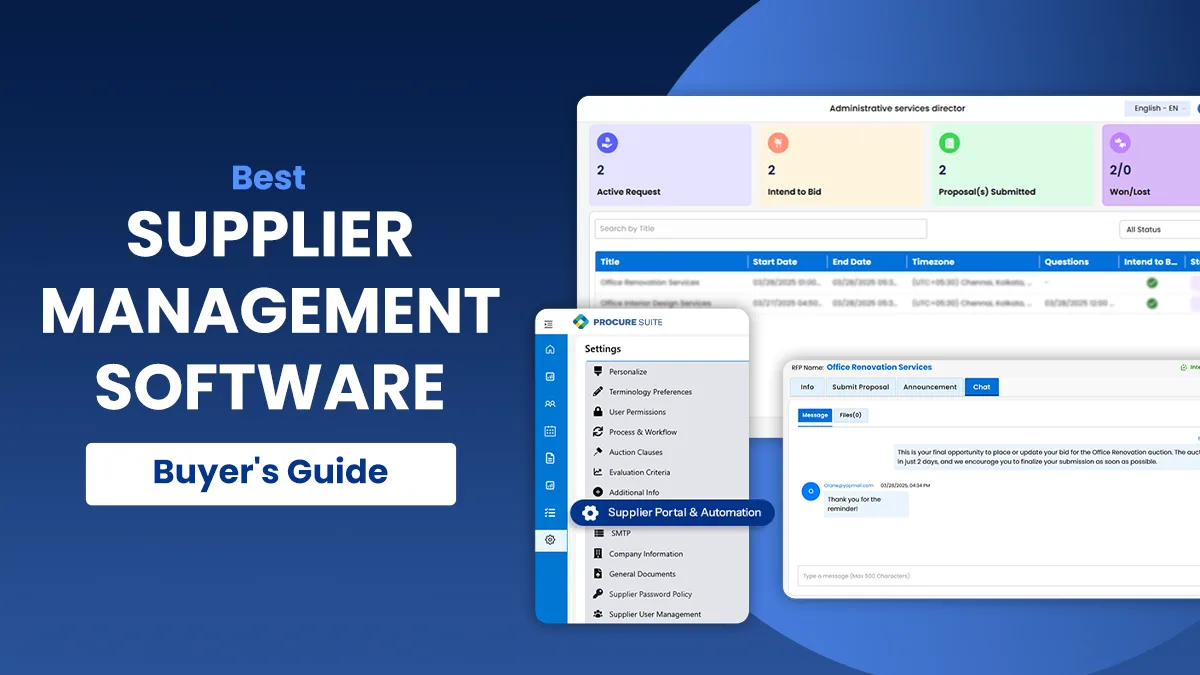
Supplier portal software is useful for entering or updating information, responding to questionnaires, reviewing requests, and communicating with procurement teams. It enables suppliers to maintain their records while internal teams retain control through validation and approval workflows.
4. Performance Management
Effective supplier performance management enables companies to measure criteria such as delivery performance, quality, service levels, pricing, and issue resolution. The platform should support configurable performance metrics because every supplier should be evaluated using different criteria. The objective is to make supplier performance measurable.
5. Risk Management
This is one of the key features of the solution. Supplier risk management assists companies in preventing disruption. A capable platform can help teams identify and monitor risks related to areas, including geographic exposure, business continuity, certifications, insurance, cybersecurity, etc. Organizations should opt for configurable alerts and review schedules.
It is essential to avoid the common mistake of considering supplier management as an administrative function. Organizations can conduct strategic relationship management, analyze internal performance, and cooperate through supplier relationship management software. It is, however, important to ensure the quality of data in the process of supplier information management.
Supplier Information Management and Data Quality
Organizations cannot make good supplier decisions if their underlying information is incomplete. Supplier information management software helps companies collect, validate, and govern supplier information through structured workflows.
Strong supplier data management creates a reliable foundation for procurement analytics, sourcing, and supplier performance decisions. Companies can ask questions related to supplier duplication, configuration, and expiration dates of documents. Answers to these questions can give them a better understanding.
How to Evaluate Supplier Management Software
A structured evaluation can prevent organizations from choosing a platform based on a polished product demonstration. It is necessary to start by documenting the current supplier management process. You can identify where supplier information is stored, who owns it, and how risks are assessed.
Here is a quick table containing a requirements matrix-
Scope of Evaluation | Questions to Ask |
Supplier data | Can all supplier information be centralized? |
Oboarding | Can workflows be configured by supplier type? |
Risk | Can risk assessments and reviews be managed? |
Performance | Can supplier KPIs and scorecards be configured? |
Compliance | Can documents and certifications be tracked? |
Integration | Can the system connect with ERP and procurement tools? |
Automation | Can repetitive workflows and reminders be automated? |
Analytics | Can users create meaningful supplier reports? |
Security | Are access controls and audit trails available? |
A proof-of-concept or controlled pilot can enable companies to get the answers to these questions. It is fair to say that companies should avoid some common mistakes when selecting supplier management software.
Common Mistakes to Avoid When Buying Supplier Management Software
A robust supplier management system should have several features. Here are some of the common mistakes you should avoid when selecting the right supplier management solution.
Choosing Features Over Name
A supplier management platform with dozens of features may not be suitable for a company. It is, therefore, better to prioritize capabilities that address your company’s supplier challenges effectively.
Ignoring Supplier Experience
When your internal teams like the system, but suppliers determine whether onboarding and information updates work, it is better not to ignore their experiences.
Failing to Define Ownership
Software cannot solve governance issues. Organizations should establish ownership of supplier data, compliance monitoring, and performance management.
Overlooking Integration
A supplier database may create an information silo, especially if it cannot exchange data with the existing systems. Integration issues in procurement, finance, and operations can affect even the right supplier management system.
Treating Onboarding as the Entire Process
Supplier onboarding is important, but supplier management continues long after activation. It is better to evaluate performance, risk, collaboration, and offboarding capabilities.
Seamless supplier lifecycle management software can be highly beneficial for handling procurement processes. However, companies should ensure that they do not commit these common mistakes.
Concluding Remarks
The most suitable supplier management software offers a solution that fits the entire ecosystem, procurement processes, risk environments, and future growth plans. Smaller organizations should, however, give priority to simplicity and rapid adoption. Larger enterprises can focus on integration and scalability.
Before making a decision, enterprises should evaluate the complete supplier lifecycle rather than one isolated process. It is essential to consider the ways this platform handles supplier onboarding, performance monitoring, risk management, and collaboration. When all these capabilities work in sync, supplier management becomes a structured business process.