3 Ways to Cut Unit Cost Before You Switch Suppliers
1. Consolidating purchases
When different departments buy the same products separately, it weakens the ability to get the best pricing. It means consolidating large orders into a single transaction and committing for longer periods, i.e., from a one-year contract to a three-year one. When the transaction is so extensive, suppliers agree to give discounts.
2. Analyzing all costs
Vendors like to bundle shipping, maintenance, spare parts, and support, which makes it difficult to analyze the true costs. Breaking down the proposals allows you to see actual figures. Knowing them ensures vendors do not charge unjustified premiums on the price.
3. Altering payment terms to save money
If a supplier is unwilling to reduce the cost, attention can be turned to the payment aspects. Changing your usual conditions from Net 30 to Net 60 or even Net 90 keeps the money in your bank longer.
When Consolidation Backfires?
1. Risk of relying upon a single source:
If a buyer has only one distributor for a product or service, they have no alternative in case of disruptions caused by manufacturing issues, shortages of labor, or shipping complications.
2. Risk of falling market prices:
A buyer who signs a fixed contract price for three years will find themselves in a difficult position. It is because if the overall market prices drop during the period of the contract, they will be losing money.
3. Solution:
To avoid issues in the future, a buyer needs to have a backup supplier in place. They must also build into their long-term contracts the possibility of renegotiating the price every 18 months.
The 8-Step Process for Negotiating With Suppliers
An effective vendor negotiation strategy entails having access to a transparent spending analysis and ensuring proper formulation of a BATNA. It also involves establishing a pricing anchor, disaggregating the vendor pricing components, negotiating price reductions wisely, and creating contractual conditions that limit the possibility of further payment issues.
Step 1: Collect spending statistics and check market costs
Before any vendor negotiations, check the purchase statistics for all products and services provided by all divisions of the company. Look for significant purchasing patterns, compare current purchasing prices with similar prices in the market, and identify the reasons for the pricing.
Step 2: Set your best alternative to a negotiated agreement or BATNA
Make sure to have alternative options for the negotiation before talking to any supplier. Be clear about what price you may offer or which clause of the contract you would agree with.
Step 3: Determine the starting price or perform price anchoring
Make sure your first offer is supported by facts and studies. Setting a high but realistic ceiling for negotiations creates a premise for reasonable negotiations.
Step 4: Chart your compromises (concession strategy)
Determine the concessions you can make before the conference. One general rule is to refrain from giving away anything that the supplier desires without asking for something in return.
What You Give the Supplier | What You Demand in Return | How It Helps Your Business |
Making them your single supplier | X % price cut per unit | Saves money right away |
Paying them faster (Net 30) | Free shipping and delivery | Lowers logistics costs |
Locking in high-volume orders | Fixing prices for 2 full years | Blocks surprise price hikes |
Step 5: Complete terms of agreement and oversee vendor compliance
After coming to an agreement on all aspects of the transaction, finalize pricing arrangements, delivery specifications, and service quality requirements so that they become binding terms of the contract. Agree on the frequency and scope of reviews of vendor performance to ensure compliance with pricing, delivery times, and regulations.
Step 6: Analyze suppliers using detailed questions
Before you go into negotiating a contract with a supplier, try asking them some open questions to get to know the vendor's real position. Ask them about their seasonal capacity, raw material stock levels, or fiscal year-end goals to find out if any operational issues can allow you to get additional discounts.
Step 7: Write down the agreement right after the meeting
As soon as the meeting ends, put down in writing all the agreed variables such as the unit price cuts, delivery schedules, and payment terms. Agreed writing helps suppliers avoid any “scope creep” or saying they had agreed to something during the negotiations.
Step 8: Conclude arrangement conditions and control provider effectiveness
Once all parties agree on the cost and service levels, the contract must be drawn up. Plan for regular checks on the suppliers to ensure they abide by the agreement.
For example: A 400-person logistics company in Pune spending ₹1.2 crore annually on office supplies consolidates its purchasing with a single vendor under a 2-year contract.
Terms of the Agreement: A volume discount of 10%, sure next-day delivery free of charge, and Net 30 payment terms.
The Action: Procurement team investigates the invoices every month and finds that extra fee for delivery in Month 4 has been charged to the amount of ₹38,000. The buyer shows the signed Agreement to the supplier, receives the full refund, and makes sure that the billing in the future is correct.
Our Recommendation: Stop Accepting Flat Percentage Increases
Understanding how to negotiate price with supplier teams comes down to setting clear ground rules on cost changes.
Tip: Avoid any kind of price increase in the negotiations. Make it difficult for the supplier to inflate the figures on their costs. Each time that providers give explanations for the increased prices that they claim are due to inflation and supply chain issues, demand an itemization of those expenses.
When vendors ask for more money because of inflation or supply chain delays, make them break down the numbers:
Tie prices to public benchmarks: Link price shifts directly to public commodity indexes (like official market rates for raw metals).
Separate fixed costs from changing costs: Inflation changes aspects like raw materials and shipping, not fixed factory equipment that is already paid for. Limit price bumps strictly to raw materials that went up.
Set expiration dates on fees: Put automatic end dates on temporary fuel or delivery fees so they go away when market costs drop back down.
Do This Before Your Next Vendor Call: Review Your Top 10 Contracts
Before your upcoming vendor calls, consider taking the time to audit your top ten supplier contracts. Knowing when contracts are up for renewal, how much has been spent historically, penalties for non-compliance, and uncaptured rebate levels gives the sourcing team valuable data insights. It also helps execute high-impact procurement negotiation strategies.
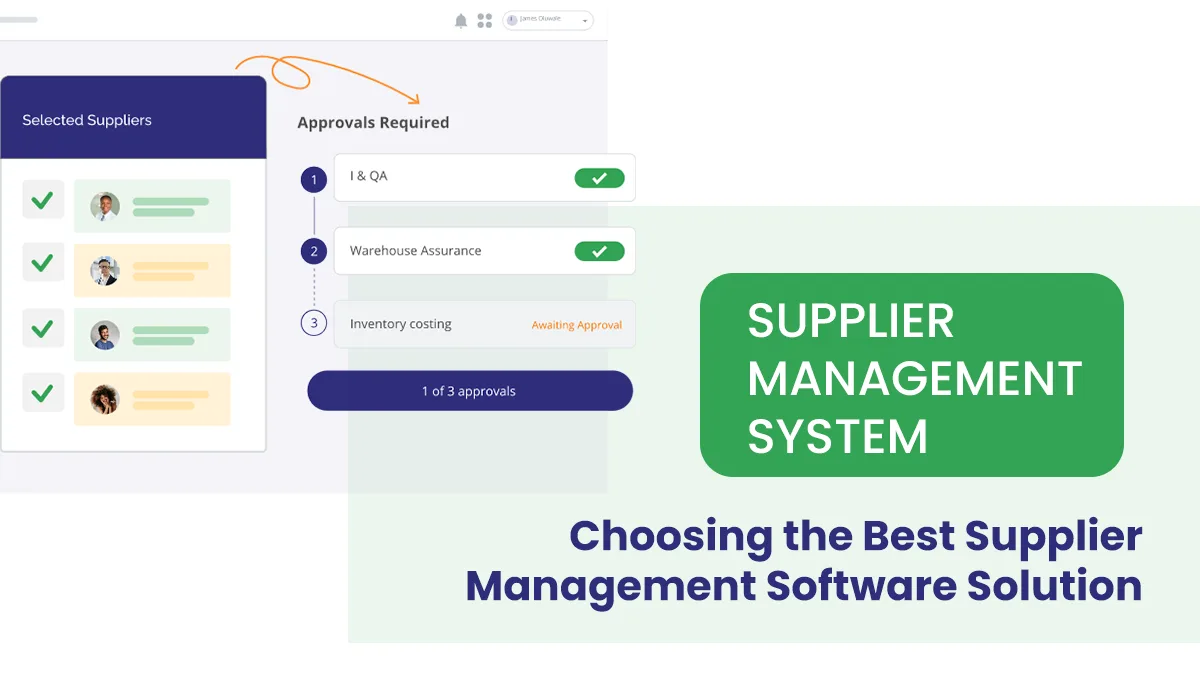
ProcureSuite centralizes your supplier contracts into a single dashboard, automatically flags price variances for identical items across business units, and alerts category managers to upcoming contract renewals 90 days in advance.
Procure Suite - Supplier Management Software, centralizes your supplier contracts into a single dashboard, automatically flags price variances for identical items across business units, and alerts category managers to upcoming contract renewals 90 days in advance.