Overview
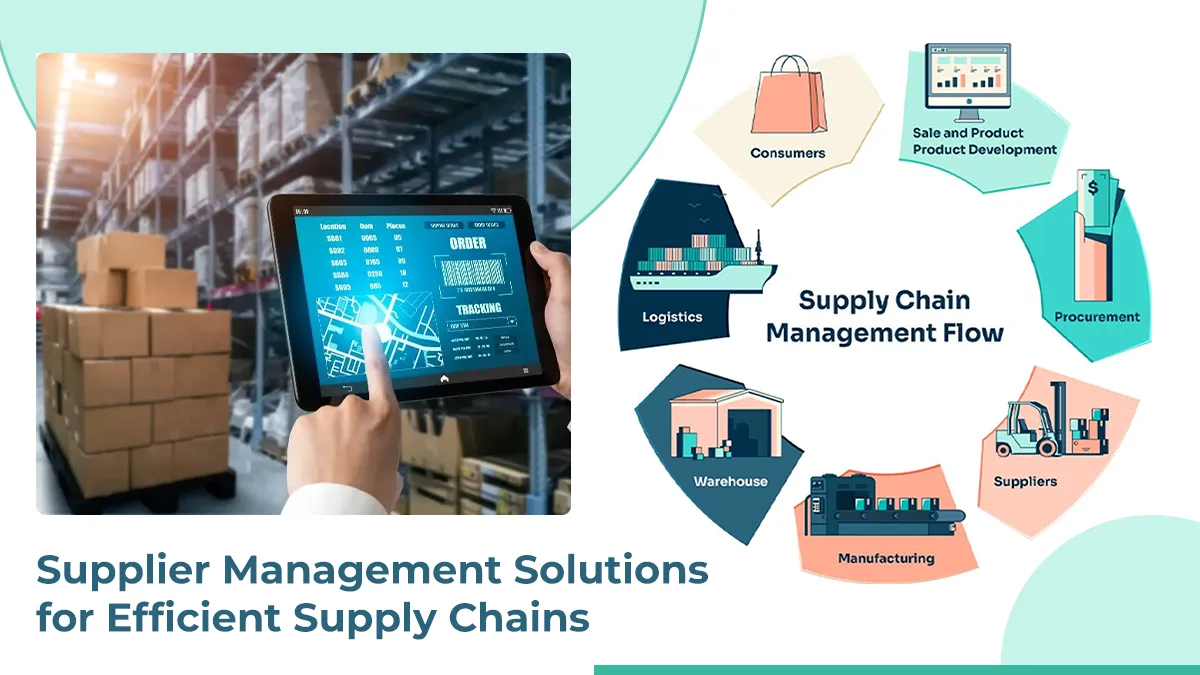
Supplier management plays a significant role in supply chain and procurement processes. Ideally, businesses have to manage multiple suppliers, agreements, compliance, and performance. The procedure becomes complex when performed manually, especially when the business grows.
Robust supplier management software helps companies manage supplier data, agreements, and performance. It can minimize compliance risk through a single solution. It also improves visibility in the procurement process and makes decisions more straightforward while building strong relationships with suppliers.
Understanding Supplier Management Software
Organizations adopt supplier management software for managing the entire supplier life cycle. It comprises supplier data, contracts, performance management, and compliance information. It facilitates communication between the buyer and the supplier.
Instead of handling spreadsheets, emails, and multiple software applications, it ensures that all the supplier information is available in one place.
A supplier management system generally includes -
Supplier onboarding
Contract management
Document storage
Supplier performance tracking
Compliance monitoring
Risk assessment
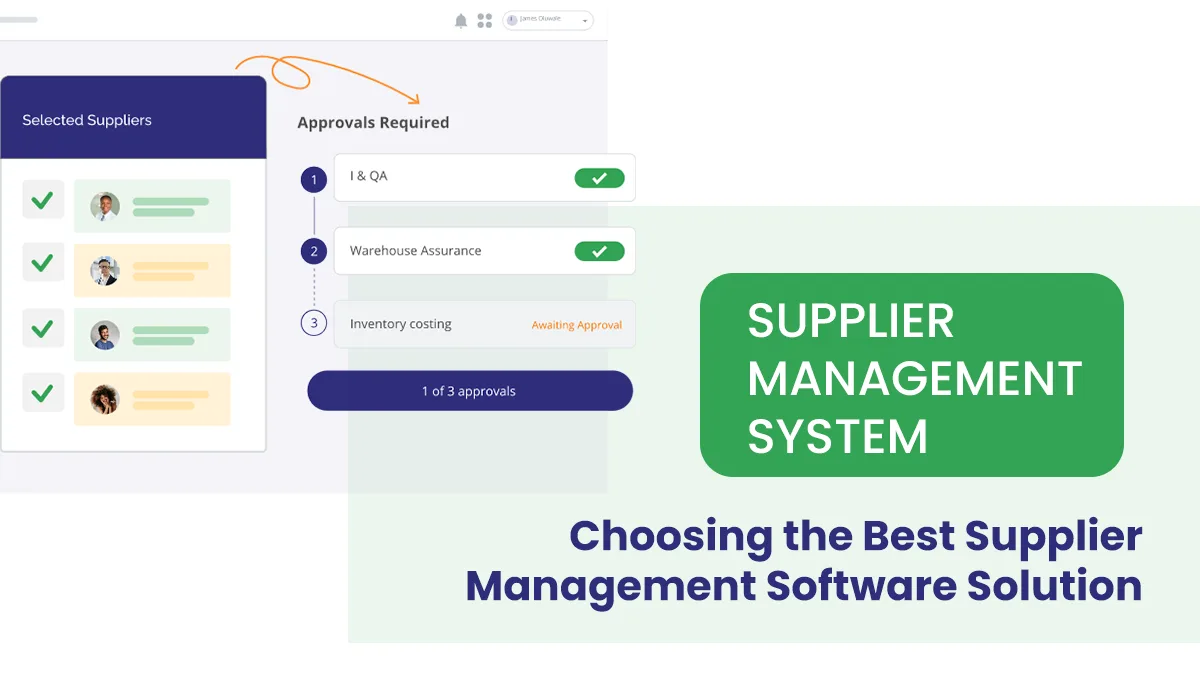
Approval workflows
Reporting and analytics
The need for centralized supplier management becomes stronger as the procurement processes grow.
Knowing supplier management challenges can help you understand the purpose of supplier management platform.
Challenges Businesses Face with Manual Supplier Management
Most companies use spreadsheets, shared folders, and emails for supplier management. The method works well with a few suppliers. However, it becomes complicated when the number of suppliers increases.
The major issues faced while managing suppliers include the following:
Scattered Supplier Data
Supplier data is scattered across multiple applications. It is complicated to find the required contract, certificate, bill, or other document.
Delayed Contract Renewal
It is difficult to remember when a contract expires, which causes complications.
Poor Performance Tracking
Manual tracking does not allow procurement professionals to monitor supplier performance regularly. It might become difficult to compare different suppliers based on limited metrics.
Non-Compliance Risks
It becomes necessary for organizations to validate licenses, certifications, insurance papers, and other legal requirements. Lack of up-to-date information may create non-compliance risks in the organization.
Approval Issues
Manual approvals are usually done through email. It delays processes. It also causes a lack of transparency.
Administrative Inconveniences
The procurement team members spend time updating spreadsheets, finding documents, and contacting suppliers.
These problems make the operation inefficient and increase possibilities for errors during the supplier management process.
Modern software solves these problems by automating repetitive processes.
Features to Consider When Choosing Supplier Management Solutions
All platforms do not have the same features, and businesses must look into their own requirements when choosing supplier management solutions.
Supplier Database
The system provides information storage that covers contacts, certifications, contracts, payment details, compliance documents, and communication records.
Contract Lifecycle Management
Contract management is considered the most important feature in a supplier management system.
It allows teams to -
Draft contracts
Save agreements securely
Verify approval status
Monitor milestone dates
Receive renewal reminders
Maintain version history
It saves the time teams spend tracking and increases contract visibility.
Automated Supplier Onboarding
Onboarding suppliers includes documentation, approval, bank information, taxes, and compliance documents.
It automates tasks, validates documents, and sends notifications to stakeholders.
Workflow Approval Automation
Automating a configurable workflow ensures an efficient process that complies with procurement policy.
Notifications are automatically generated for managers. It minimizes delays from manual communication.
Document Management
Supplier documentation must be stored in a single platform.
It helps businesses get organized documents, version records, and easy-to-access storage and minimizes administrative burden.
Supplier Performance
Procurement dashboards enable supplier review based on performance criteria such as -
Delivery performance
Product quality
Service performance
Response time
Contract compliance
This data enables objective evaluation of suppliers.
Reporting and Analytics
Reporting helps gain insights into supplier performance, contracts, spend analysis, and compliance.
Reporting assists businesses in effective strategic planning.
Supplier management is equally important in procurement.
How Supplier Management Software Improves Procurement
Effective supplier management software helps in procurement more than just managing supplier records. The software brings all aspects of supplier data, contracts, approval, performance tracking, and reporting into one system.
Procurement teams do not need to jump from one application to another. They can perform all the supplier-related processes from the software.
Supplier management platform helps businesses achieve efficiency through -
Faster Supplier Selection
Procurement teams can compare suppliers using performance history, pricing, certifications, and previous contracts. Businesses can make quicker and more informed supplier selections.
Enhanced Collaboration
The procurement, finance, legal, and operations departments get access to the same supplier data. It eliminates communication gaps.
Increased Contract Information Visibility
Contract deadlines, expiration dates, renewal dates, and approval information are available to the teams during the contract period.
Eliminate Manual Errors
Automating processes removes manual and repetitive tasks such as data entry and document management.
Procurement Process Standardization
Teams can establish the necessary workflows. Standardization ensures all suppliers follow the same process.
It is especially helpful in multiple procurement activities.
Although operational aspects are important, the choice of the right software depends on the business requirements.
How to Choose the Best Supplier Management Solution
Choosing the right software requires more than comparing feature lists. The organization should assess whether the platform meets its goals, existing systems, and future needs.
The following are the factors you should keep in mind when choosing software.
Consider Business Needs
Find out the difficulties the teams face during the processes. Some organizations might require better contract management. Others might need to prioritize compliance or supplier management.
This information will help you identify your choices in software.
Ease of Use
A complicated user interface prevents users from adopting software. Choose software with a user-friendly interface and an easy-to-understand dashboard and workflows.
It reduces the learning curve and improves productivity.
Automation
Task automation must make processes easier, including -
Supplier onboarding
Contract approvals
Renewal reminders
Collection of documents
Notifications
It will reduce the need for frequent human intervention and speed up the processes.
Integration Options
The software should be compatible with the existing business systems, including
ERP software
Procurement systems
Accounting software
Document management systems
CRM software
Compatibility reduces duplication and increases efficiency.
Data Security
Supplier files include confidential information such as organizational activities.
Pay attention to such characteristics as -
Role-based access control
Data encryption
Safe storage of documents
Audit logs
Two-factor authentication
Good security ensures protection of both the organizational and supplier data.
Scalability
Organizational needs change with time. The software should allow adding more suppliers, more users, and new procurement processes without repeated software replacements.
Implementation Assistance
Implementation help, training material, technical support, and regular software updates ensure efficiency in the future.
Good assistance will allow organizations to get more from their investment.
Conclusion
Managing suppliers becomes increasingly complex as supplier networks expand. A manual process usually leads to disorganized data, delayed approvals, risk of contract issues, and poor visibility in supplier performance. Centralizing supplier management enables an organized supplier database, automates tasks, and improves procurement efficiency.
While choosing supplier management software, consider your business requirements, automation capabilities, security, scalability, and integration. Software that meets business objectives boosts relationships with suppliers.