Introduction
Organizations rely on extensive supplier networks. Therefore, when it comes to the procurement process, it is essential to maintain transparency, consistency, and strong communication. In other words, supplier collaboration has become a critical factor for operational efficiency and growth in this competitive scenario.
However, many businesses still operate with fragmented systems. This leads to less visibility and more inefficiencies. Furthermore, it directly impacts supplier relationships and results in delays and disputes.
Source to pay software addresses these challenges by providing a unified platform. It connects the sourcing, procurement, and payment processes. It enables organizations to move from a reactive to a proactive approach. This blog talks about how a source to pay platform plays a strategic role in the supply chain and how it ensures resilience, innovation, and business continuity.
Why Supplier Collaboration Is a Challenge
Working with suppliers involves multiple steps such as sourcing, contracting, ordering, and payments. Many operational issues can arise when companies manage these processes through separate tools or manual methods. Some of these issues include
Delayed communication
Lack of visibility
Confusion around contract terms
Slow approval cycles
For example, if a supplier does not receive timely updates about the changing orders, it leads to unavoidable delays. Moreover, supplier collaboration becomes inconsistent and difficult to manage without a centralized system.
This is a reason many businesses adopt source-to-pay software solutions. These solutions bring structure and clarity to procurement processes.
To understand how this technology helps, let us first go through the scope of source to pay solution.
Importance of Source-to-Pay Software
As an integrated solution, source to pay software manages the entire procurement cycle. It offers procurement processes like supplier sourcing, contract management, purchasing, invoicing, and payment into a single interface.
Unlike traditional procurement management systems, modern source-to-pay solutions centralize all processes into a single software. It enables access to accurate and updated information to all the stakeholders, including suppliers.
The core functions of source to pay software solutions are
Supplier onboarding
Procurement Lifecycle Management
Contract Lifecycle Management
Purchase Order Automation
Strategic Sourcing and e-Auctions
Invoice Processing and Payment Tracking
Supplier Performance Analytics
By integrating these functions, organizations gain complete control with high visibility over their procurement operations.
Key Ways Source-to-Pay Technology Improves Supplier Collaboration
Centralized data and Real-time Visibility
Data consistency is important in supplier collaboration. When data is spread across multiple systems, it can lead to inconsistencies. It prevents good collaboration in the organization.
A modern source to pay platform centralizes all procurement data. It allows both buyers and suppliers to access real-time information about orders, contracts, and payments.
As a result, collaboration becomes transparent and reliable.
Streamlined and Automated Processes
In manual procurement processes, organizations often need to depend on multiple approvals, paperwork, and repetitive tasks. It reduces operations and increases the chances of errors.
S2P software helps organizations automate important workflows such as requisitions, purchase orders, invoice approvals, and payments.
With S2P, efficiency becomes beneficial for both organizations and suppliers.
Improved Communication and Reduced Disputes
Poor communication is a major cause of supplier dissatisfaction. Relying on emails and manual processes makes the system inefficient.
A source-to-pay software solution includes built-in tools for seamless collaboration between organizations and suppliers. It helps them update information and resolve issues in real-time.
Clear communication in any business creates stronger and more reliable partnerships.
Data-Driven Supplier Performance Management
Supplier performance monitoring is an important task that helps maintain quality and efficiency. But it becomes difficult to evaluate when organizations rely on manual methods.
A robust source-to-pay software provides real-time analytics with reporting capabilities. It allows organizations to monitor supplier performance with key metrics like delivery timelines, quality standards, and compliance.
Better insights into procurement result in improved collaboration among stakeholders.
Enhanced Contract and Compliance Management
Business contracts define the terms of supplier relationships. Manual procurement processes can increase the risk of non-compliance. It makes organizations miss the fruitful opportunities.
Source-to-pay solutions make contract management simple and efficient. It keeps all business contracts in one place. Hence, it reduces errors and ensures they do not miss any deadlines.
As a result, businesses can experience error-free compliance management with organized contracts. It helps them save money and improve their supplier relationships.
Improved Supplier Experience
Supplier experience is crucial for long-term relationships. A complex or inefficient procurement management systems can keep suppliers away and reduce their willingness to collaborate.
Apart from the institution, technologically equipped S2P software gives operational capabilities to the suppliers as well. This centralized platform allows them to manage invoices, track payments, and communicate in real time.
Suppliers are more likely to offer better terms with competitive rates when an organization provides them with a supplier-friendly procurement process.
Now, let's compare source-to-pay software with traditional procurement systems.
Source-to-Pay vs Traditional Procurement Systems
Here is a brief comparison table that demonstrates the benefits of source to pay over traditional procurement tools.
Aspect | Traditional Procurement | Source-to-Pay Software |
|---|---|---|
System Integration | Fragmented systems | Fully integrated platform |
Data Visibility | Limited and delayed | Real-time and centralized |
Process Efficiency | Manual and slow | Automated and streamlined |
Communication | Unstructured | Platform-based and transparent |
Supplier Collaboration | Transactional | Strategic and collaborative |
Traditional systems do not include suppliers as part of the process. But in source-to-pay software, suppliers are onboarded as active participants in the procurement process.
Let's see how this technology can improve collaboration in the real world of businesses.
Real-World Scenario Where S2P Can Support Supplier Relationships
Improve Supplier Coordination in a Manufacturing Company
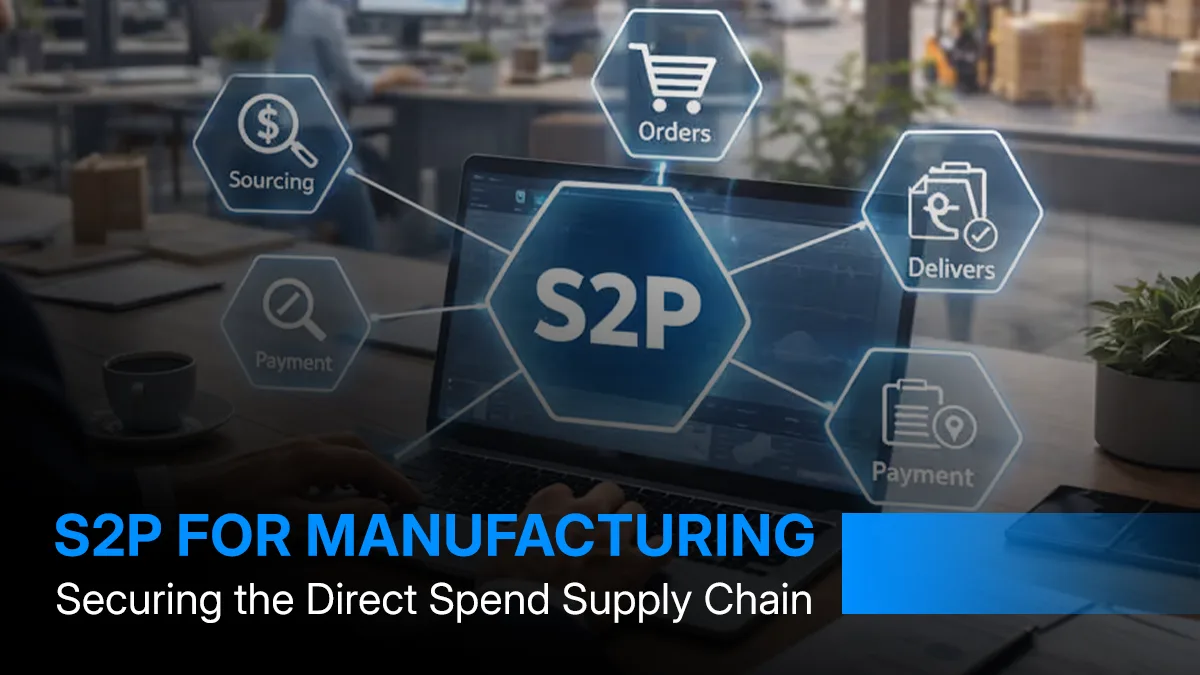
Supplier coordination in a manufacturing company involves a high volume of vendors and frequent procurement cycles. With a source to pay software, business interactions can become more structured and transparent. This centralized platform enables easy access to purchase orders, update delivery timelines, and track payment status.
Over time, it leads to smoother operations, fewer delays, and reliable supplier relationships.
Ensuring Continuity in Healthcare Supply Chains
Timely access to the necessary supplies is critical in healthcare. Any delays from suppliers in procurement can directly impact its operations.
By adopting source to pay solutions, healthcare organizations can create connected procurement for effective supply management. Suppliers can get real-time visibility into placed orders and track payments. Also, institutions can benefit from streamlined approvals and better coordination.
Improve Transparency in Retail Procurement
Retailers often work with multiple suppliers across different product categories and also across different locations. It increases the complexity of management in their procurement process. Repetitive tasks in procurement, such as contract management, invoice generation, and pricing, can consume more time when done manually. Traditional disconnected tools can sometimes make stakeholders experience discrepancies and misunderstandings.
S2P software can solve this problem by centralizing data, automating invoice matching, and maintaining clarity for all stakeholders.
Conclusion
Efficient supplier collaboration is essential in today's dynamic business landscape for smooth supply chain management. It is an important factor that leads to operational excellence and sustainable growth. But supplier collaboration faces inconveniences due to disconnected procurement tools.
A robust source to pay software provides comprehensive solutions to the business by connecting all procurement processes in a single user interface. It provides transparency and enables real-time collaboration among stakeholders. However, the true benefit of this software can be experienced when the implementation aligns with the business objectives and strategies.
By adopting the right source to pay for software solutions, organizations can grow beyond just procurement. Eventually, it can build strong and long-term partnerships with suppliers that drive efficiency, innovation, and business success.