What is Direct Procurement?
Direct procurement, which is also known as “direct spend” or “direct cost,” refers to the acquisition of raw materials, finished goods, and services that directly assist in the manufacture of any commodities or services that the purchasing firm makes.
Understanding Direct Procurement
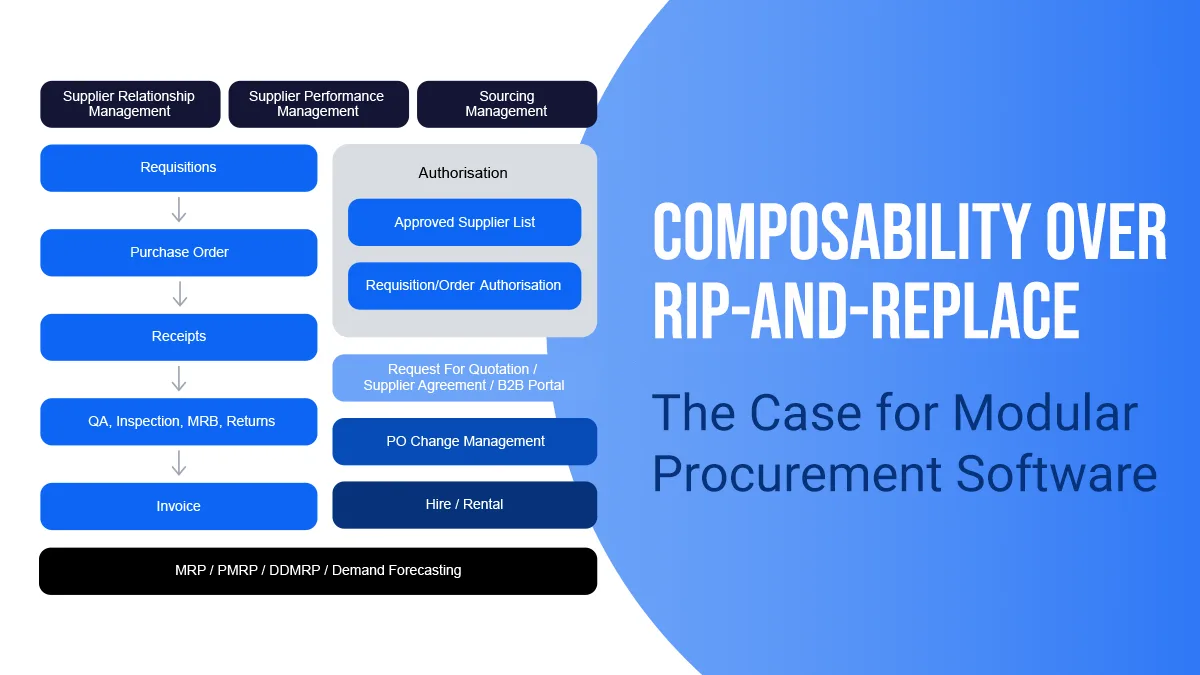
Direct procurement is about locating and acquiring the commodities, services, and raw materials a company needs for its manufacturing process. Items are purchased in bulk from a select group of sellers to reduce spending.
Suppliers must supply raw materials at reasonable costs and meet minimum order requirements, quality standards, and industry norms. Contracts are signed after approval, and purchasing cycles are set up to ensure prompt delivery of the goods.
Any breakdown in the direct procurement operation can impact the entire value chain for enterprises due to a lack of manufacturing products. This is one of the key reasons procurement teams must have software that enables them to perform their tasks efficiently.
Why is Direct Procurement Important?
Direct procurement is critical to business management, such as inventory management, cost management, supplier relationship management, and internal communication. It can bring both opportunities and problems, depending on how successfully a procurement team can manage it.
A direct procurement strategy can be linked to only lowering risk and increasing efficiency. However, there are other aspects of direct procurement. Organizations that change their focus from cost-cutting to improving value, efficiency, and performance through direct procurement reap greater long-term rewards. It is crucial to divide direct procurement into three subcategories for this strategy.
Cost-Driven Direct Procurement
Cost-driven direct procurement is designed exclusively for businesses that base their prices on the cost of developing each commodity or service. For example, this strategy is frequently used by the food and construction industries.
Market-Driven Direct Procurement
Market-driven direct procurement is used by businesses that price their products or services based on market pricing, like the price their rivals charge. Any company with a low profit margin and intense competition for its goods or services would use this strategy.
Value-Driven Direct Procurement
Value-driven direct procurement is used by businesses that determine the value or benefit of their products and services for customers and take into account how procurement adds value to the business. For example, software companies can use this strategy for pricing and direct purchase.
A value-driven direct procurement approach can be applied in a variety of industries. Regardless of the process a procurement team chooses, with direct procurement, sourcing automation, and software can determine how much time, effort, and resources are required to optimize this spend area.