What is Direct Purchase?
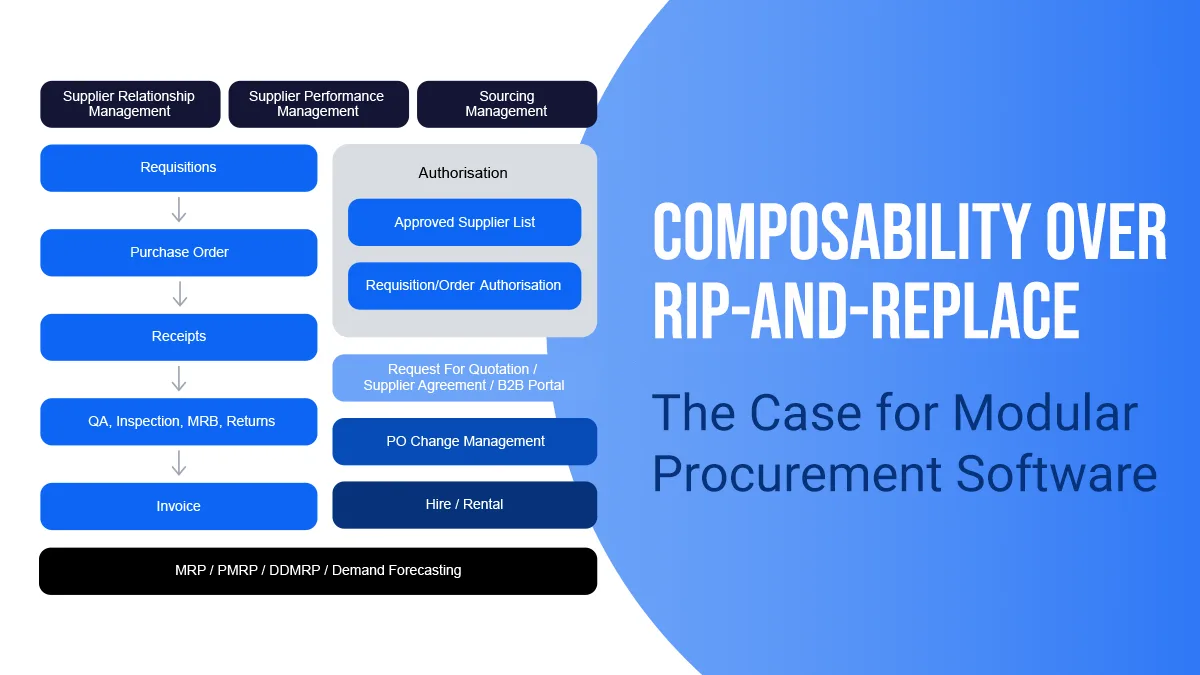
Direct purchase refers to the process of buying products or services directly from the seller and avoiding all intermediaries. These purchases are made in bulk from various suppliers to get the best price, quality, and dependability. They are routine purchases and essential for fundamental business operations, such as a baker buying flour to make bread. Companies cannot produce their goods and generate income if direct purchase stops working or faces any issues.
Importance of Direct Purchase
Cost Control
Cost analysis done by businesses on expenses incurred by the supplier in providing goods or services, is a standard cost management technique in direct buying.
Inventory Control
Inventory management is about tracking materials, where they are stored, and how much you will need. Materials must be kept on hand with direct purchasing to maintain a smooth production process and prevent delays. Best practices for inventory management can be developed and improved through experience with direct purchasing.
Utilizing Technology
Companies are aware that utilizing the latest direct purchasing technologies can simplify workflows, reduce risks, uphold quality, and minimize costs. However, many procurement teams are still hindered by cumbersome systems connected to the company’s outdated ERP systems, and may have a feature-rich user interface but lack an intuitive design. Such processes negatively impact compliance and productivity.
Organizational Structure
Centralized supply chain and procurement teams often manage direct expenses, with category managers handling specific spending categories. Teams responsible for direct spending can learn from their colleagues about soft skills that are needed to manage internal stakeholders, and suppliers that make indirect procurement so challenging.