What is E-Purchasing?
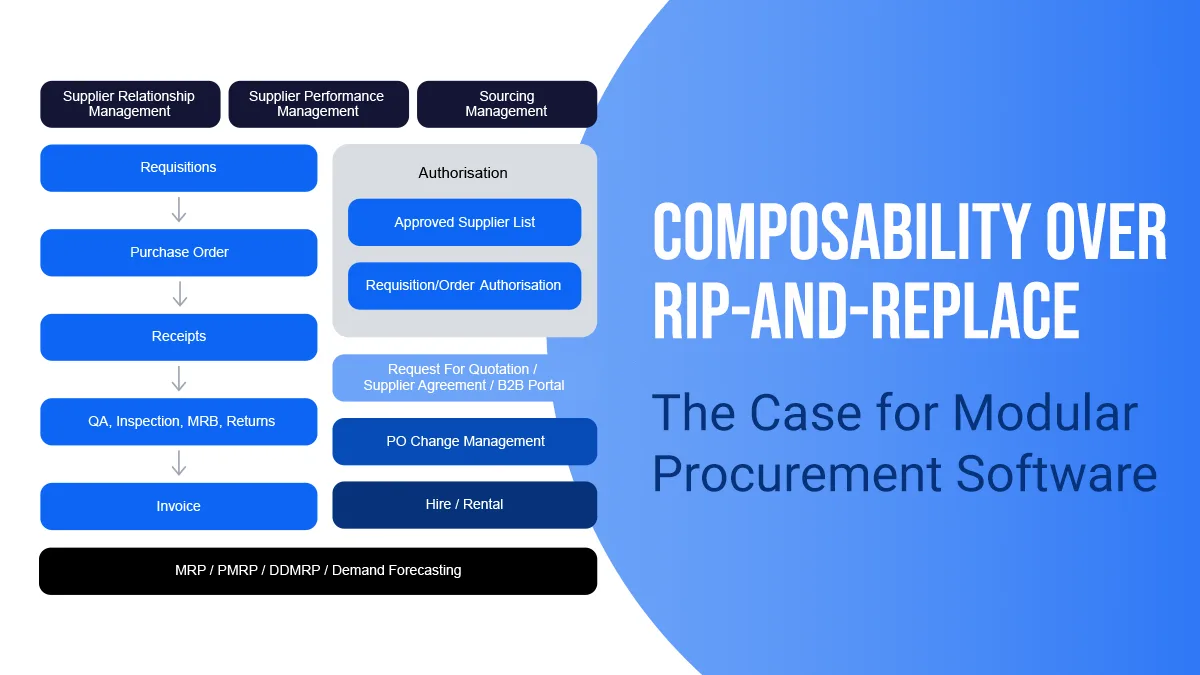
E-purchasing, also known as electronic procurement, refers to the digital acquisition of goods, services, tools, and labor, as well as the use of essential networking and information technologies. It typically occurs after sourcing and contract management and before managing supplier relationships, invoices, and payments. These transactions can take place between businesses (B2B), businesses and consumers (B2C), or businesses and governments (B2G).
E-purchasing allows procurement departments or chief procurement officers to establish comprehensive policies for acquiring goods and services efficiently. The primary goal is to secure the best value at the most competitive price while meeting organizational needs.
Benefits of E-Purchasing
Reduced Costs
Implementing e-purchasing helps organizations avoid redundant expenses, benefit from bulk purchasing, and reduce costs associated with paper-based processes. Digital records also make it easier to generate and review reports, ensuring that procurement activities comply with company and regulatory policies.
Increased Productivity
E-purchasing is more time-efficient than traditional procurement methods. Reusable digital tenders and templates simplify paperwork, allowing employees to complete tasks more quickly and focus on strategic procurement activities.
Smoother Supply Chain
E-purchasing enhances supply chain operations by providing real-time data integration with enterprise resource planning (ERP) and supply chain management systems. This connection improves visibility and coordination with external suppliers, ultimately benefiting clients and stakeholders.
Faster Transactions
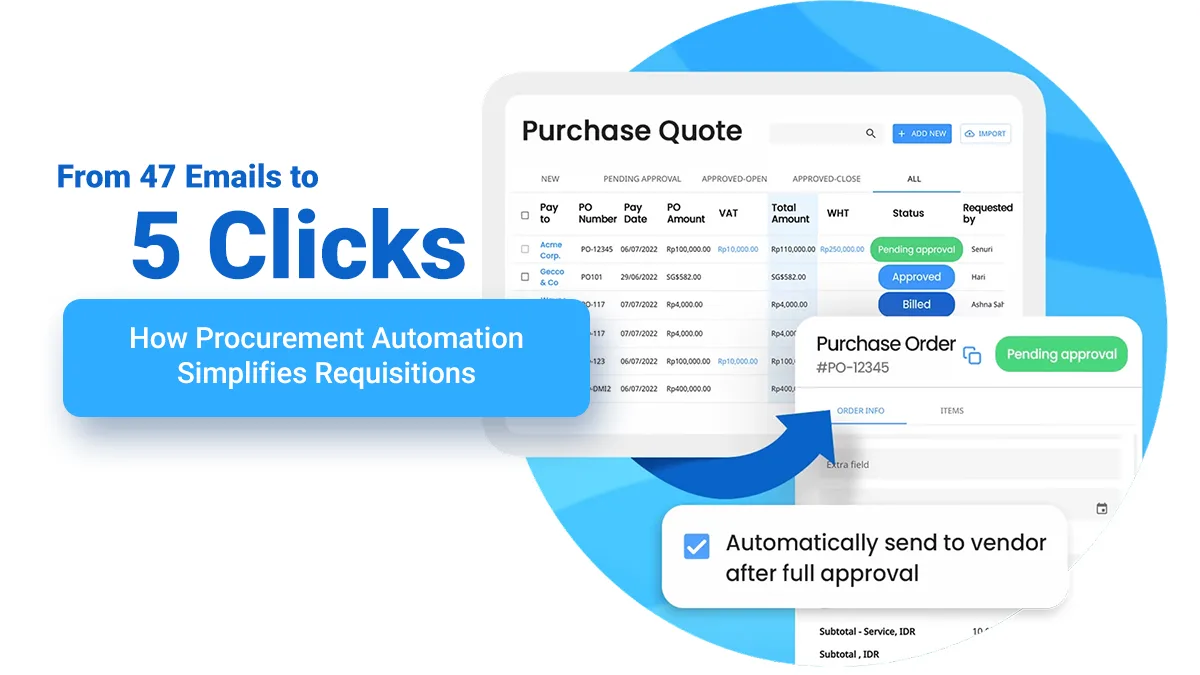
The digital approach accelerates and streamlines the procurement process. Tasks that were previously labor-intensive, such as order processing and approvals, can now be completed quickly and efficiently. Digital engagement between buyers and suppliers reduces procurement cycles and enhances overall operational efficiency.