What is Indirect Procurement?
Indirect procurement covers goods and services needed to keep a business running, such as office supplies, utilities, maintenance, and HR. It represents infrastructure costs and often goes unreported, making it harder to control compared to direct procurement.
Benefits of Managing Indirect Procurement
According to a McKinsey study, proper management of indirect procurement can reduce costs by 10–15% and lower the labor needed to manage suppliers by 30–50%. It improves compliance, reduces risk, strengthens supplier relationships, and ensures smoother business operations.
How to Manage Indirect Procurement
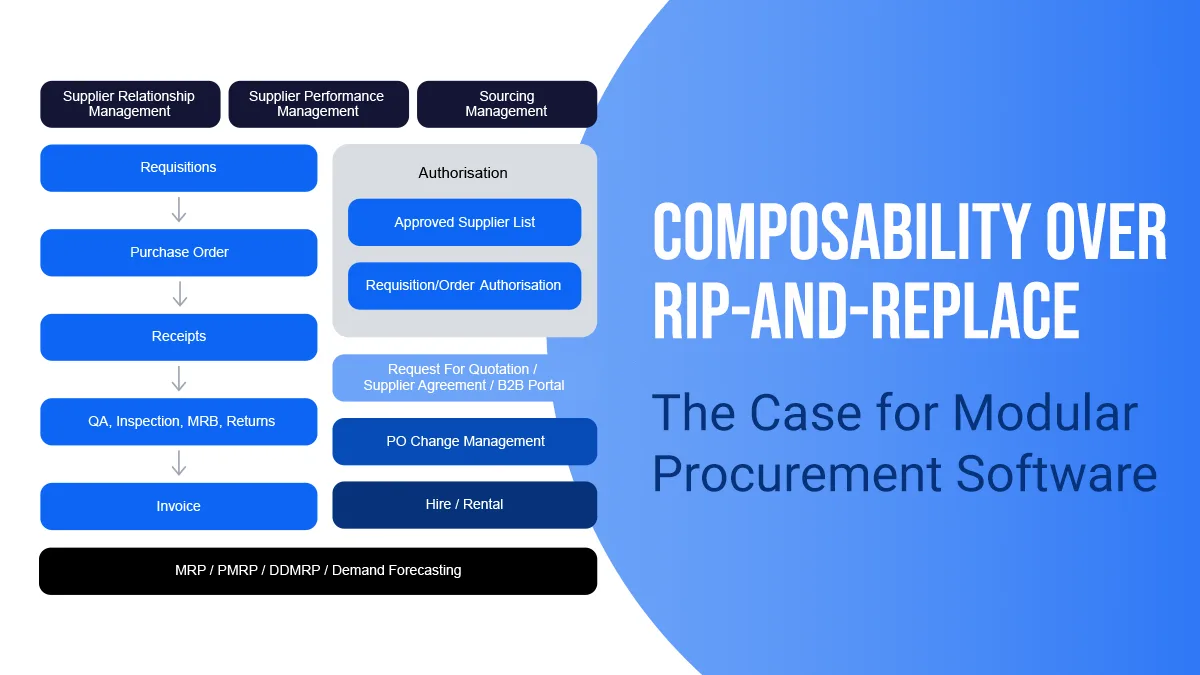
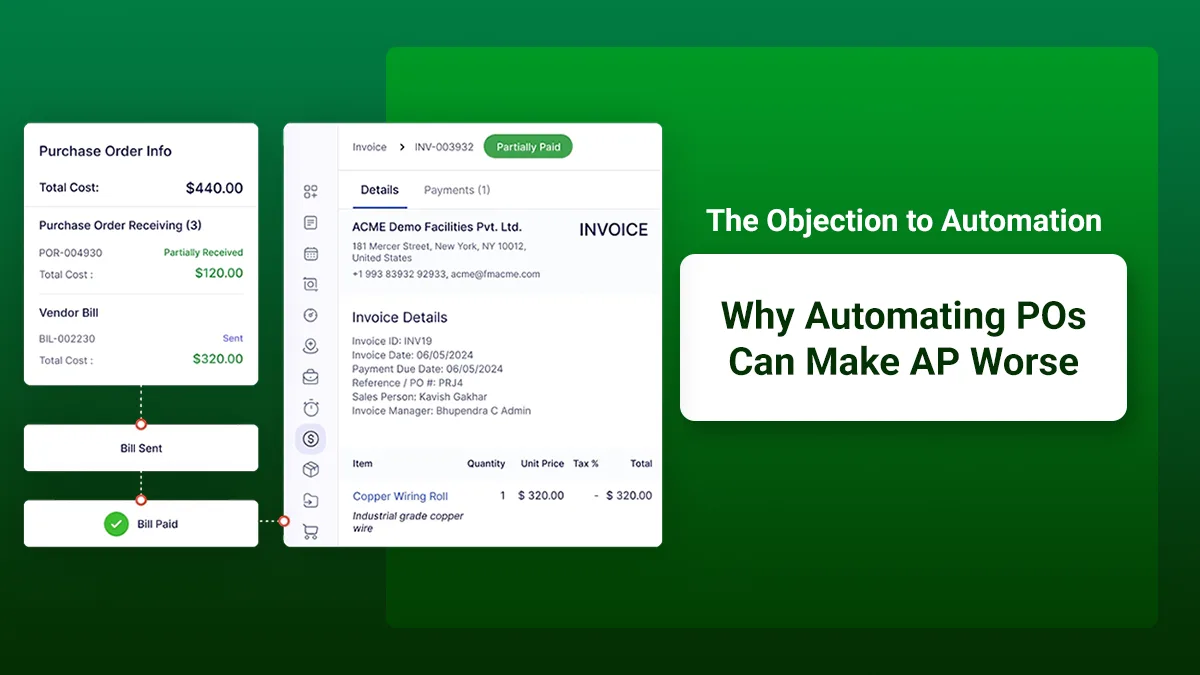
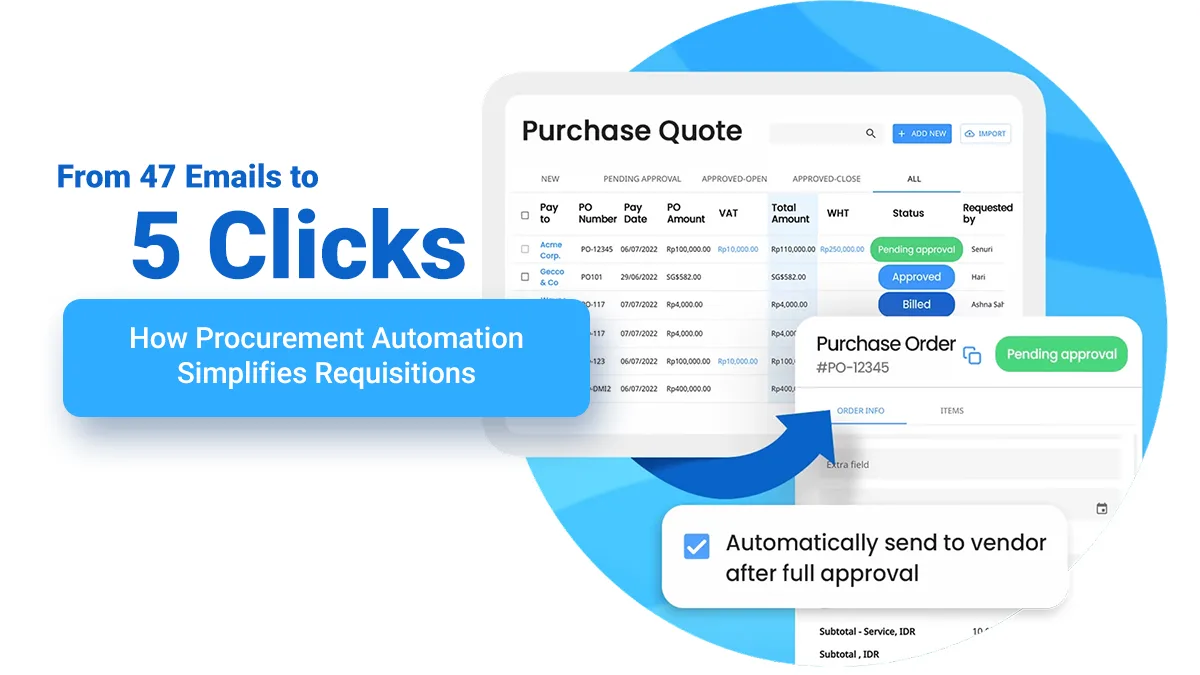
Digital tools like intelligent spend engines, advanced analytics, B2B e-marketplaces, and automated procure-to-pay systems increase transparency, optimize costs, and simplify processes. Techniques like zero-based budgeting further help control spending and redirect resources to essential business priorities.
Conclusion
The key to effective indirect procurement is visibility, automation, strict spending controls, and leveraging smart platforms to drive efficiency, cost savings, and better supplier collaboration.