What is Procurement Optimization?
Procurement optimization is a comprehensive approach that focuses on maximizing value creation through the integration of people, processes, and technology. Initial scoping, data gathering and analysis, improvement, implementation, follow-up, and monitoring are also parts of the procurement optimization strategy.
Understanding Procurement Optimization
Modern procurement extends far beyond simply purchasing goods and services to meet internal needs. A world-class procurement process enhances overall efficiency, drives productivity, and delivers significant commercial value to the organization.
Effective procurement optimization ensures that every aspect of the procurement cycle contributes to improved performance across the business. Because procurement directly influences all organizational functions and impacts revenue, it is essential to regularly evaluate the process to identify what works well and where improvements are needed.
Key Steps in Procurement Optimization
To optimize Procure-to-Pay (P2P) operations, organizations should focus on the following six critical areas:
Information, Insight, and Intelligence
Everything begins with data. High-quality data and strong analytical capabilities form the foundation of a successful procurement strategy, enabling informed decision-making and process improvement.
Strategy and Policy
A clear, organization-wide procurement policy ensures that sourcing activities are strategic, consistent, and aligned with broader business objectives.
People and Culture
Evaluate whether the procurement team is adequately staffed with the right skills and expertise. Identifying gaps or overlaps in competencies helps build a capable and agile workforce.
Process and Organization
Review the procurement function’s structure and workflows to ensure alignment between people, processes, and technology. Balanced integration among these elements maximizes efficiency and effectiveness.
Technology Adoption
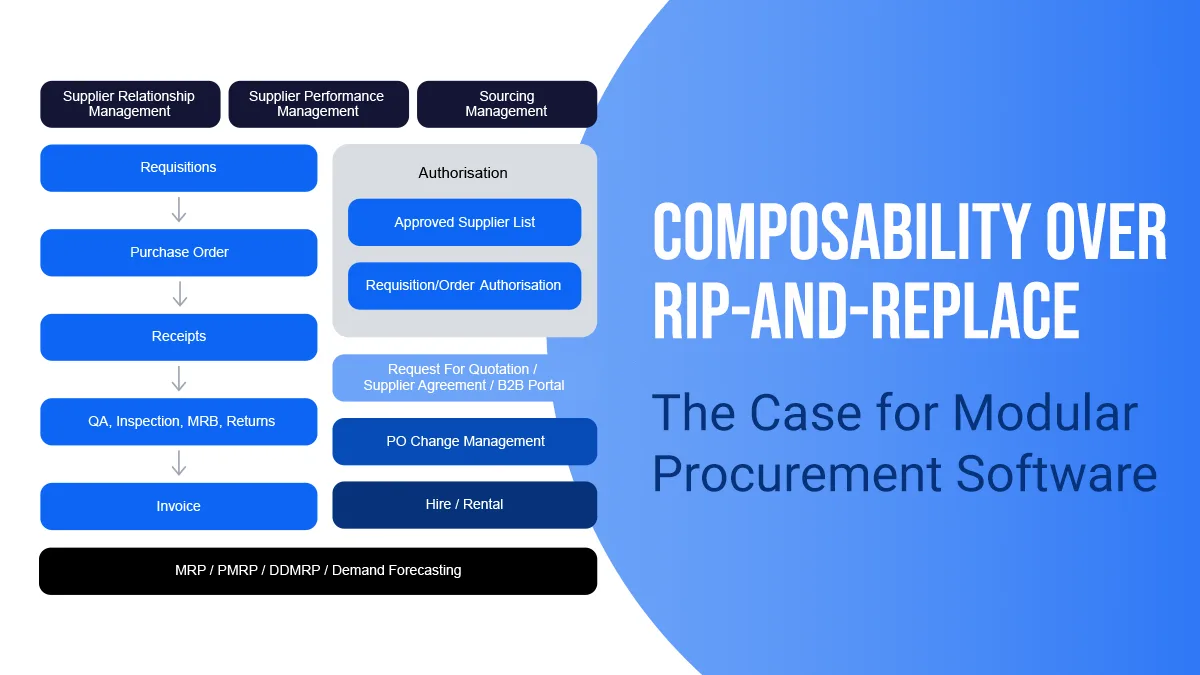
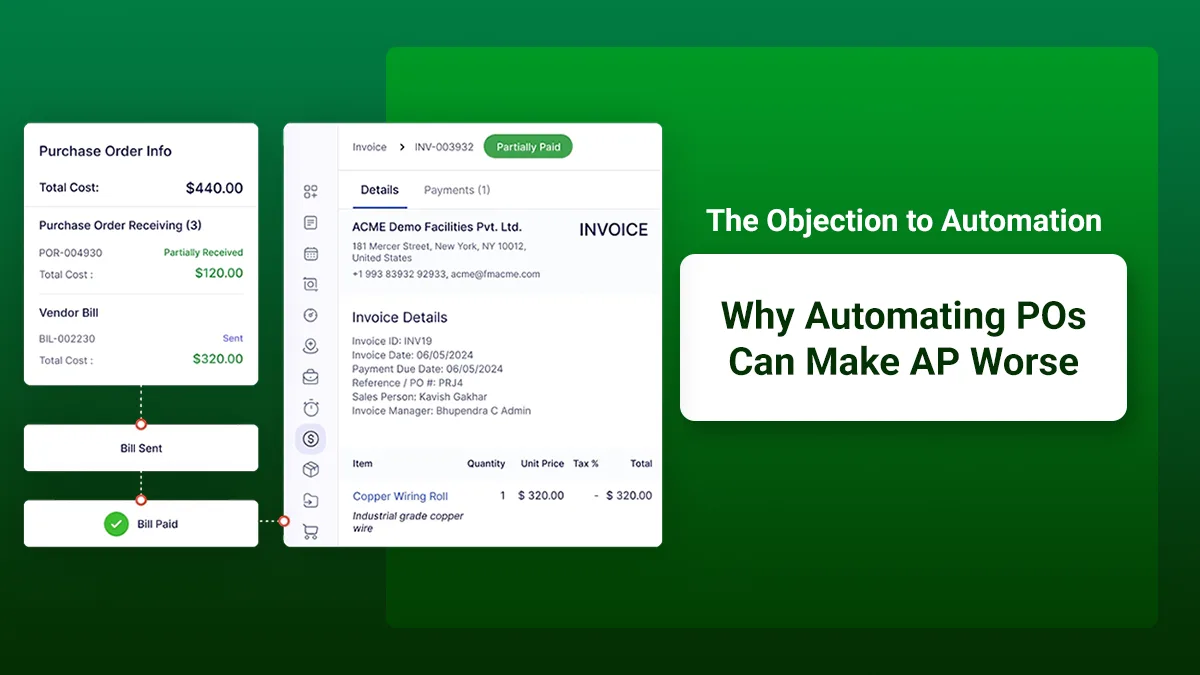
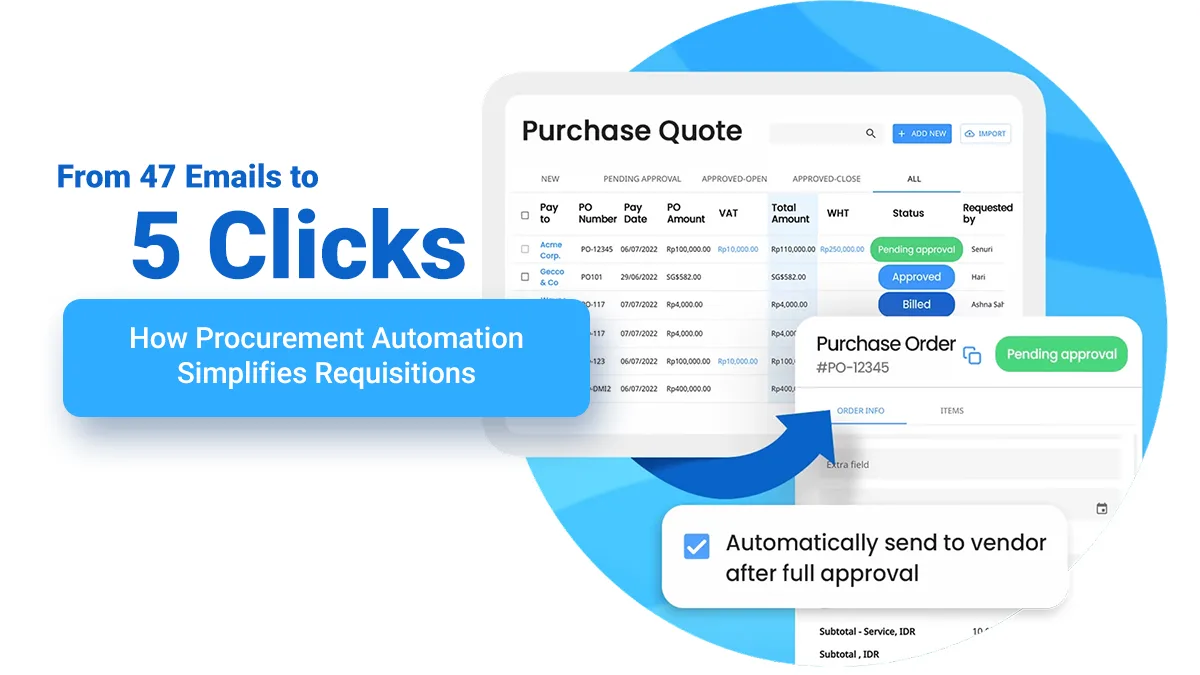
Implementing digital tools such as e-procurement platforms, automation solutions, and payment systems reduces manual effort, accelerates contract execution, and strengthens compliance monitoring.
Controls and Monitoring
Establish systems to evaluate procurement activities. Comparing return on investment (ROI) against company objectives helps drive cost control, revenue growth, and continuous performance improvement.