brand-logo
  • Platform
    • Reverse Auction
    • RFP | RFI | RFQ
    • Purchase Requisition
    • Contract Management
    • Source-to-Pay
    • Procure-to-Pay
    • Spend Analysis
    • Supplier Management
    • Custom Solutions
  • Services
    • Managed Reverse Auctions
    • Spend Analysis
  • Industries
    • Manufacturing
    • Healthcare
    • Construction & Property Management
    • Biotech & Pharma
    • Food & Beverage
    • Energy Brokers & Suppliers
  • Company
    • About Procure Suite
    • Contact Us
  • Resources
    • Blog
    • Case Studies
    • Guides
    • Glossary
  • Pricing
  • Request demo
Contact UsRequest demo
Footer ProcureSuite logo
TelephoneB1-Ground Floor, Safal Profitaire, Corporate Road, Prahladnagar, Ahmedabad, 380015 Gujarat, India

Telephone+91 70460 73434

Whatsapp+91 70460 73434

Telephone1201 N Market St Suite 111, Wilmington, DE 19801, United States

Telephone+1 774 435 1060

Email
sales@procuresuite.io

Company

  • About Procure Suite
  • Contact Us
  • Request Demo

Resources

  • Blog
  • Case Studies
  • Guides
  • Glossary

Platform

  • Reverse Auction
  • RFP | RFI | RFQ
  • Purchase Requisition
  • Contract Management
  • Source-to-Pay
  • Procure-to-Pay
  • Spend Analysis
  • Supplier Management
  • Custom Solutions

Industries

  • Manufacturing
  • Healthcare
  • Construction & Property Management
  • Biotech & Pharma
  • Food & Beverage
  • Energy Brokers & Suppliers

Services

  • Managed Reverse Auctions
  • Spend Analysis

Legal Stuff

  • Terms of Use
  • Privacy Policy
Follow Us:
FacebookLinkedInTwitter
Procure Suite © 2026, All rights reserved.
background

Spend Leakage

What is Spend leakage?

Spend leakage is a term that describes category expenditure with suppliers who are not on the pre-approved list of suppliers. Mostly, it occurs in indirect categories where stakeholders choose to give their business to other suppliers, typically representing a percentage of the overall budget.

Potential Reasons for Spend Leakages

  • Inaccurate Budget Estimates

Over- or underestimating budgets can lead to missed savings or supplier renegotiations. This often stems from poor benchmarking, limited spend visibility, or unreliable data. Using AI-driven, granular purchase data helps create more accurate forecasts.

  • Dubious Budgeting Practices

Some departments deliberately underestimate savings to create financial buffers, causing potential savings to go unrecorded. Without proper tracking and compliance tools, extra savings may be absorbed elsewhere instead of contributing to overall performance.

  • Weak demand management and Compliance

Purchasing from non-approved or local suppliers erodes negotiated savings. AI-based procurement tools can identify preferred, cost-effective suppliers and ensure compliance, reducing spend leakages and improving savings outcomes.


Explore more from Procurement

Discover expert tips, how-to guides, industry insights, and the latest procurement trends.

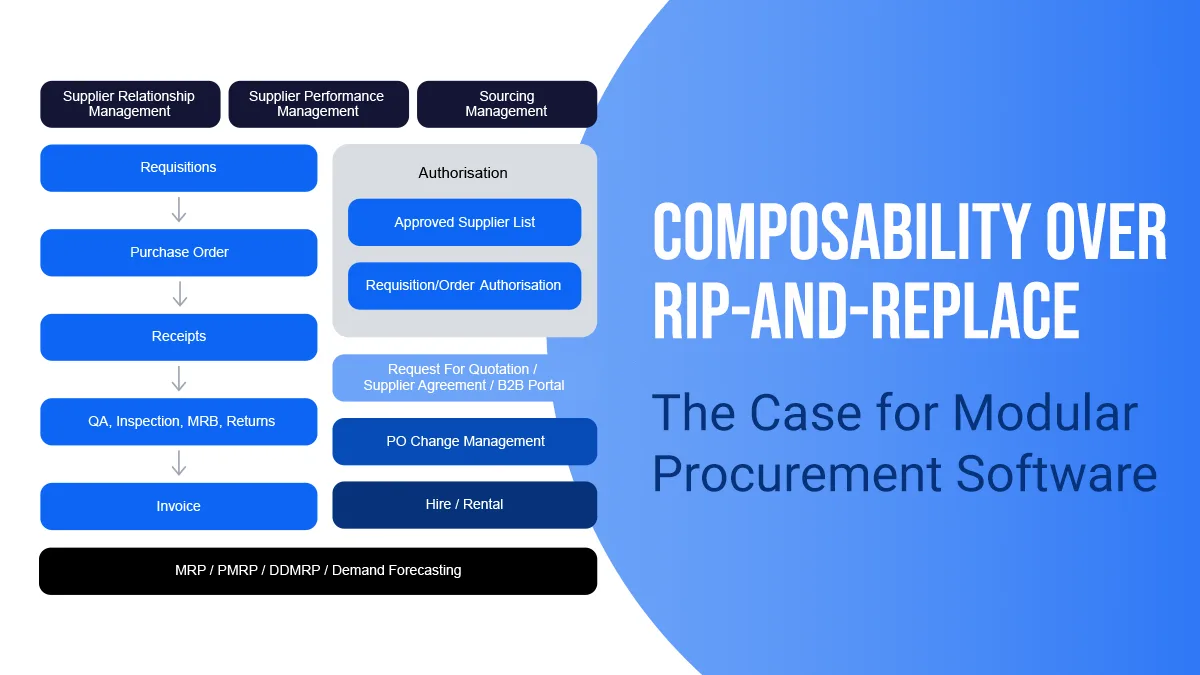
Top Features that Improve RFI RFP RFQ Process
RFP/RFI/RFQJune 8th, 2026

Essential RFI/RFQ System Features You Need to Know

An advanced request for quotation software helps procurement teams manage supplier information and standardize evaluations. This blog explores the main capabilities of an RFQ and RFI management software necessary to enhance procurement performance.

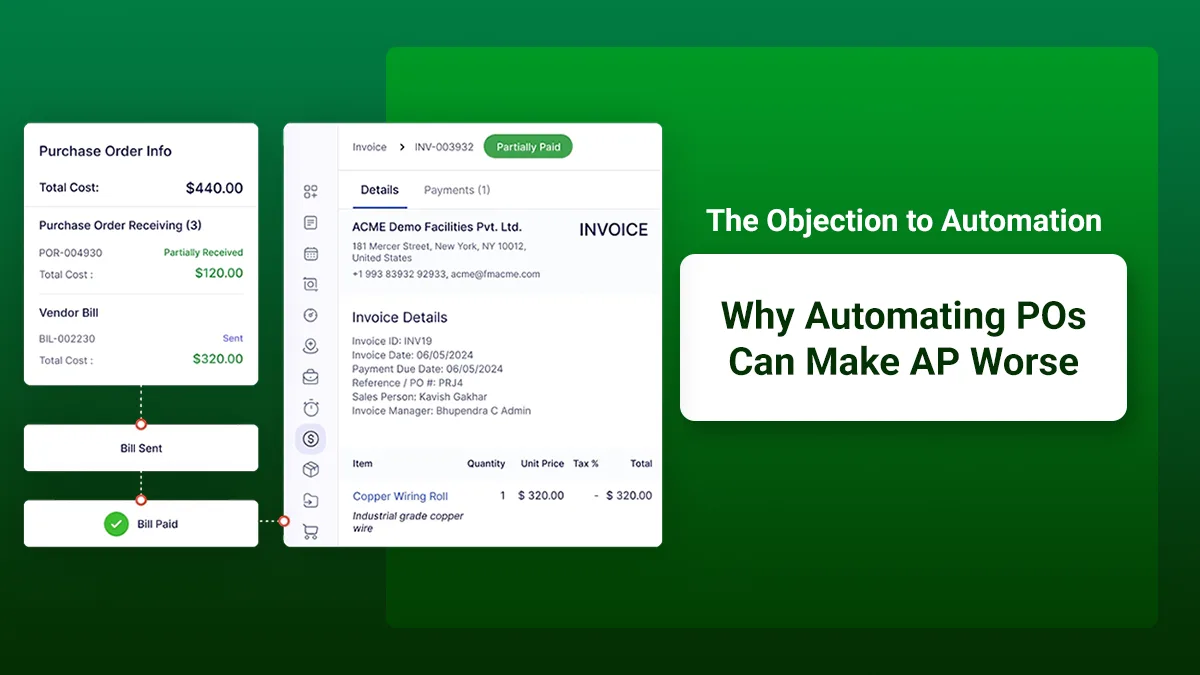
Contract Management Software Improves Procurement Lifecycle
Contract ManagementJune 5th, 2026

How Contract Management Software Improves Procurement Lifecycle

Effective contract lifecycle management helps procurement teams manage approvals, performance monitoring, and renewals. This blog explores the role of contract management software in improving accountability and managing supplier agreements.

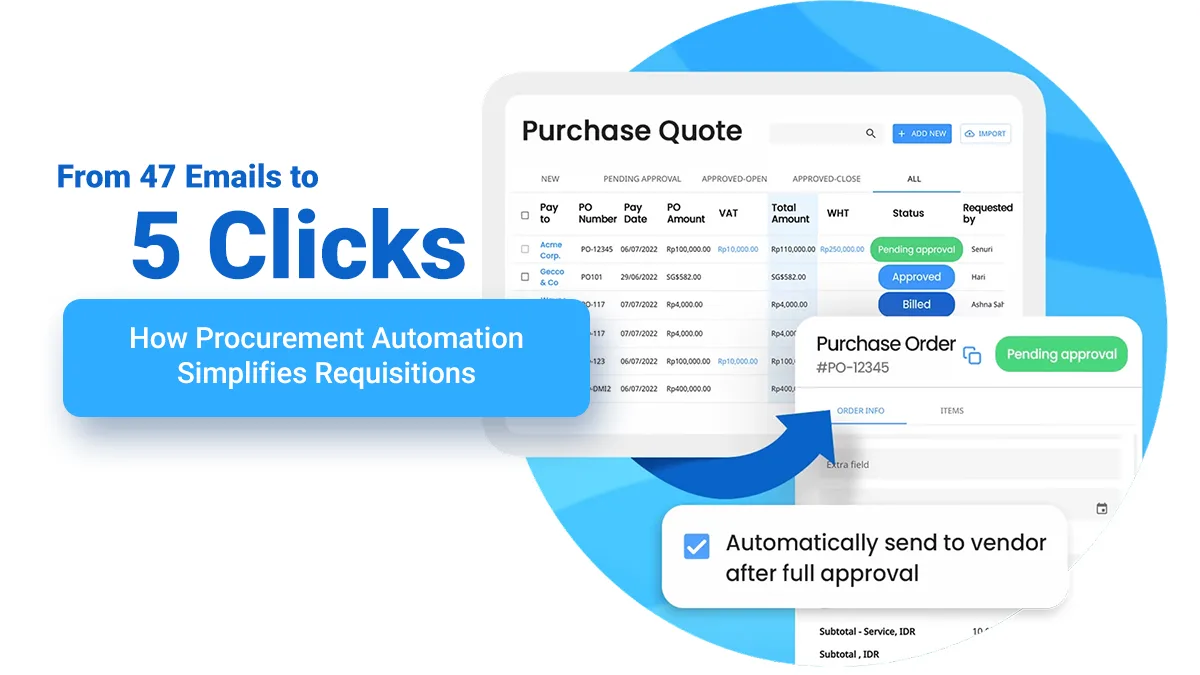
Procurement Software in Improving Construction Operations
ProcurementJune 3rd, 2026

How Procurement & Property Management Software Solves Challenges

Construction and property management companies face challenges in managing suppliers, contracts, budgets, etc. This blog explores how modern procurement contract management systems help construction businesses centralize processes and address challenges.