Overview
Every procurement decision affects profitability even before a product reaches your customer. This is a reason why Purchase Price Variance (PPV) deserves more attention than it receives. PPV measures the difference between the price your organization expected to pay and the cost it actually paid. Unchecked or overlooked PPV deteriorates margins and creates budgetary issues, making product forecasting difficult.
Companies can optimize purchase processes by maintaining PPV before invoicing. This is when modern purchase requisition software is useful. It assists procurement and finance departments in avoiding extra deviations in the price by means of structured approvals, better controls, and improved purchasing decisions. This post elaborates the role of PPV in both accounting and procurement. It also discusses the way technology reduces PPV in finance reports.
Scope of PPV in Accounting
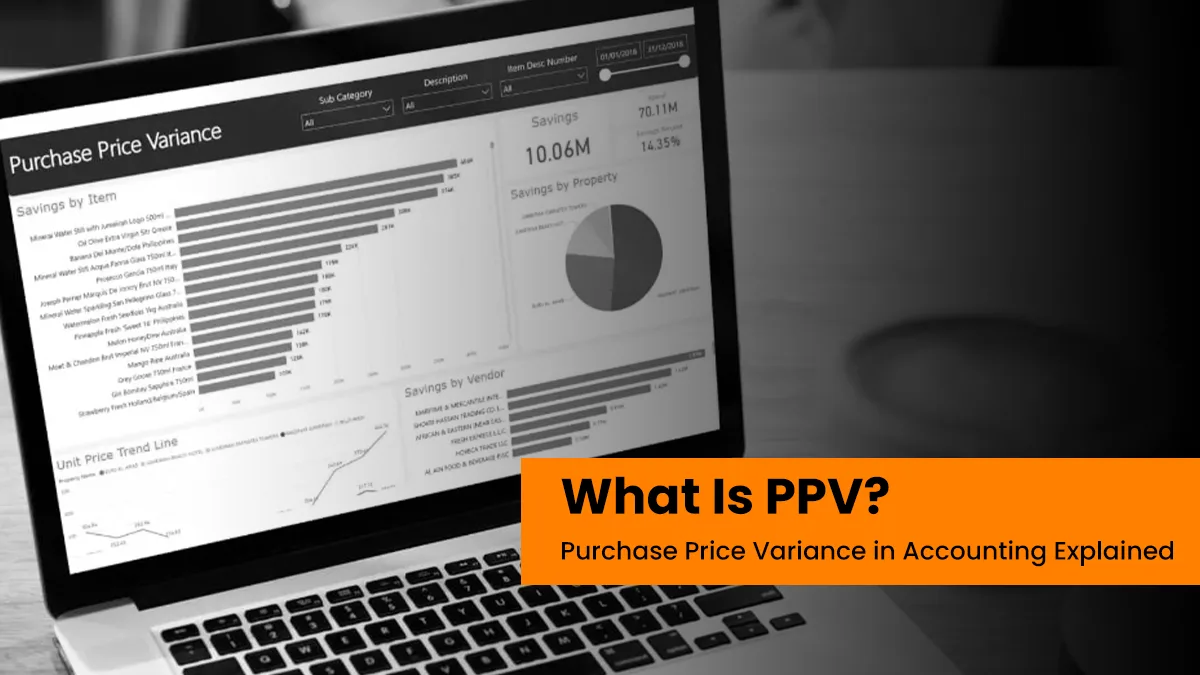
Purchase Price Variance indicates the difference between the standard or expected purchase price and the actual amount paid to a supplier. Its standard formula is
PPV = (Actual Purchase Price - Standard Purchase Price ) x Quantity Purchased
A positive PPV shows that your business paid more than expected, increasing procurement costs. A negative PPV indicates that purchases have been made at a lower price than anticipated. It is important, though, to evaluate carefully to make sure that neither the quality of goods nor any other contractual obligation has been neglected. PPV comes from a series of decisions related to procurement operations.
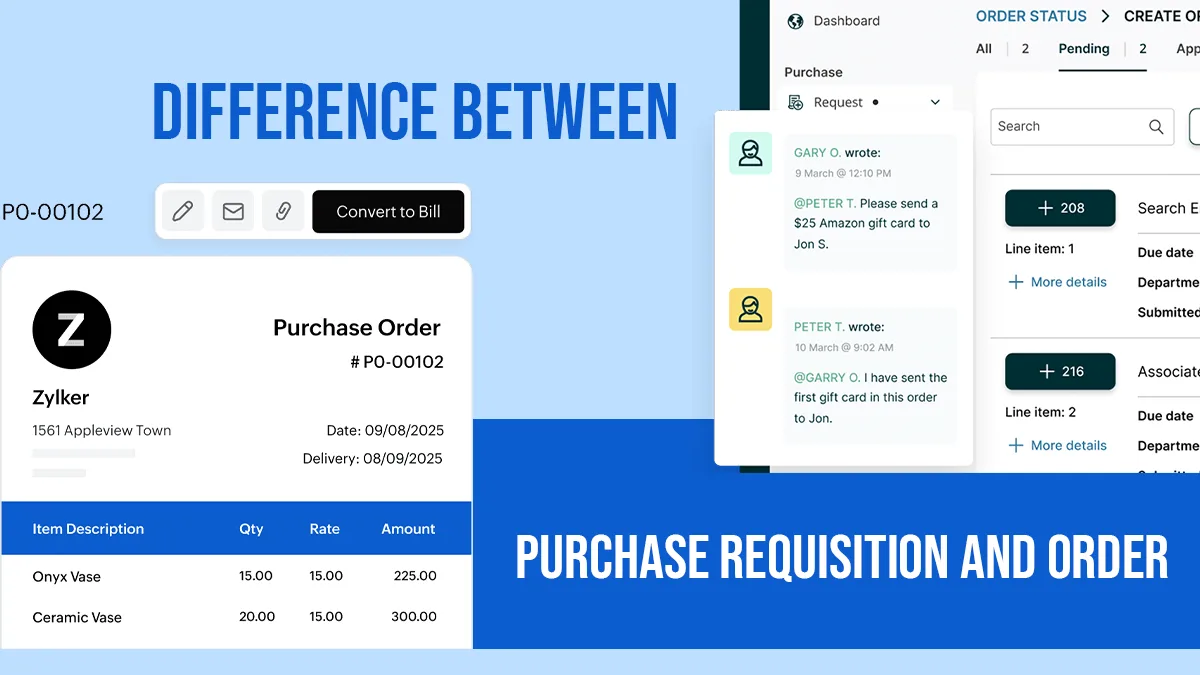
Finance professionals rely on PPV to determine how well they have made purchases, while procurement teams apply PPV to analyze pricing trends of suppliers. Both departments analyze PPV to understand process issues instead of isolated pricing problems. Organizations can reduce such issues by implementing purchase requisition tracking software. This purchasing requisition software enables every request to follow a standardized approval process before it becomes a purchase order.
Why PPV Matters Beyond Procurement
PPV is not just a tool to generate a finance report at month-end. It affects several business functions simultaneously. This is because purchasing will determine how inventory is valued, how production costs will be incurred, profitability, and supplier relationships.
For instance, there is a manufacturing company that purchases industrial bearings. In this case, if the normal purchase cost is a particular figure but due to urgent orders, the actual cost increases, then the increment in cost seems negligible. However, with time, the total amount of extra cost for many units turns out to be quite significant. The company has to spend a lot of money beyond its planned budget and needs to show this variance in the annual accounting report.
The outcome depends on how the company accomplishes the procurement process. An advanced online purchase requisition system guarantees that purchasing orders go through the proper channels, and procurement teams can get a full overview in advance.
How Manual Purchasing Creates Hidden Cost Leakage
Manual procurement introduces delays, but they rarely appear on financial statements. It is possible that approvers overlook negotiated contracts, and duplicate requests become difficult to identify. Supplier quotations also remain scattered across email conversations. Apart from this, budget owners approve purchases without seeing committed spend. Each manual purchasing issue seems manageable, but collectively they can increase the PPV.
These manual issues create unfavorable variances. These differences are, however, difficult to explain because of the lack of centralized purchasing history, connecting approvals, and negotiated pricing. Companies can replace such fragmented or siloed activities with structured workflows by using purchasing requisition software. Such workflows can create consistent purchasing decisions across both finance and procurement departments.
Top Ways Technology Reduces PPV before Finance Reports
Modern software for supply chain management can integrate procurement activities with inventory planning, purchasing approvals, supplier contracts, and financial controls. Procurement managers can receive better purchasing intelligence before finalizing orders with the help of procurement technology. This is a proactive approach to change PPV from a reporting metric into a controllable business outcome.
This technology enables finance teams to forecast procurement expenses with greater accuracy. Advanced software can assist these teams in making purchasing behaviors more consistent rather than depending on individual buying decisions.
How Procure Suite Helps Reduce PPV
Evolving technology delivers the biggest impact in preventing purchase-related mistakes. A sophisticated procurement solution can do it effectively instead of documenting such mistakes afterward.
Procure Suite is such a solution that helps procurement and finance teams control spending before issuing purchase orders. This platform strengthens purchasing decisions and ensures every request follows preset rules. Procure Suite enables organizations to reduce their dependence on spreadsheets, emails, or manual approvals. It helps you reduce Purchase Price Variance by offering the following-
Standard purchase requisition workflows to eliminate unauthorized buying
Budget validation before moving forward with purchase requests
Reduced instances of emergency purchases by automating approval routing
Complete purchasing records by simplifying PPV analysis and financial audits
Integration with ERP to synchronize procurement, finance, and inventory information
Procure Suite assists companies in running a seamless procurement process that supports purchasing decisions with high accuracy. It enables procurement and finance teams to avoid reacting to unexpected variances after the end of the month.
Practical Ways to Reduce Purchase Price Variance
Occasional price negotiations are not sufficient for reducing PPV. Companies that aim to maintain healthy procurement performance consistently adopt several complementary practices. Some of these practices include:
Regular Review of Standard Costs
Market prices change because of inflation, currency movements, freight costs, and commodity fluctuations. Outdated standard costs, therefore, produce misleading PPV reports.
More Control on Approvals
Purchases outside approved workflows can bypass negotiated supplier contracts frequently. It is, therefore, necessary to establish structured approvals to reduce this risk significantly.
Consolidation of Supplier Spending
Purchasing similar products from fewer qualified suppliers can improve negotiating power and increase consistency in pricing.
Utilization of Historical Purchasing Data
Procurement teams should analyze recurring variances. They help determine whether price fluctuations result from the supplier side, purchasing activities, or market conditions.
Automation of Procurement Processes
Companies that implement purchase requisition software will decrease manual labor and improve purchasing discipline. As a result, they can gain better budget control within departments.
This approach will help organizations achieve high performance in procurement rather than relying solely on a particular solution.
Final Thoughts
PPV is not just an accounting formula. This shows the effectiveness of your procurement process in turning purchase planning into a successful activity. Companies have adopted purchase requisition software to get more control over approval, supplier selection, and budgets. The procurement department uses integrated supplier management solutions and supply chain management software in managing unnecessary price swings.