Overview
Supply chain disruptions are inevitable. They can occur due to natural disasters, political unrest, or difficulties in managing a global supplier network. But how can businesses maintain resilience when facing these risks? To navigate these complexities, businesses need a strategic solution.
A procurement management system lends a helping hand here. This digital tool simplifies complex procurement processes, minimizes risks, and improves efficiency. In other words, this tool becomes indispensable for maintaining supply chain resilience.
This blog discusses how businesses can build resilient procurement workflows that withstand the pressures of global supply chains. We’ll begin by looking at how procurement management software helps build efficient and risk-resistant processes.
Role of Procurement Management Software in Supply Chains
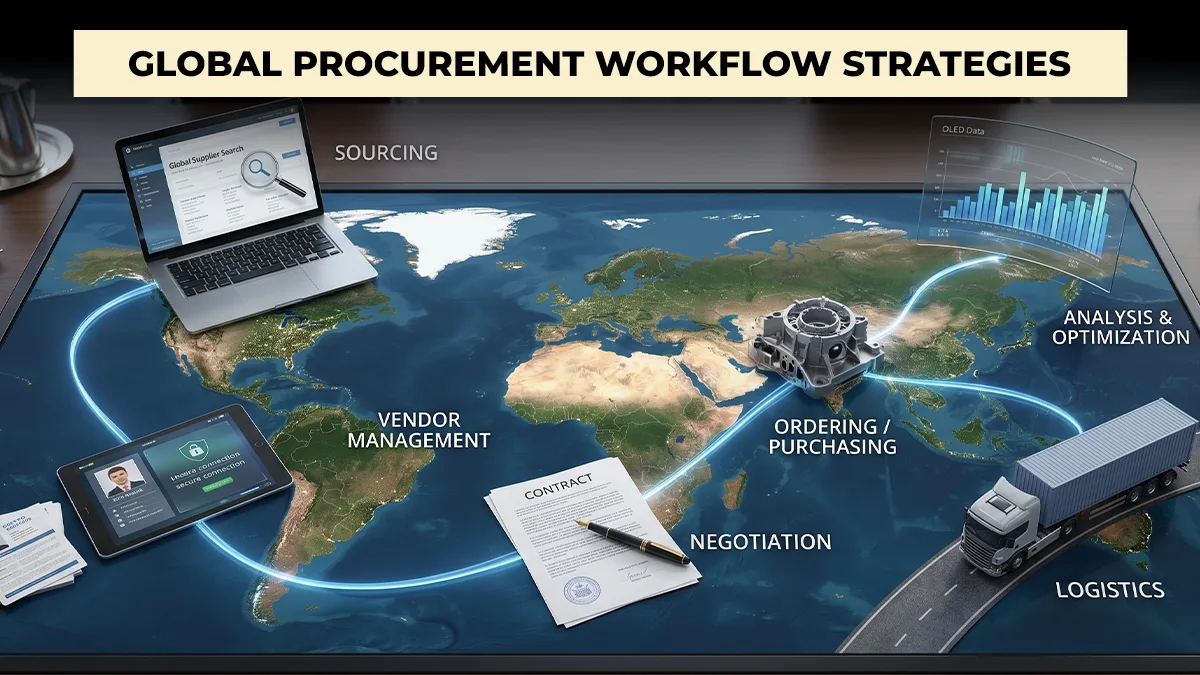
Global supply chains consist of various suppliers, differing regulations, and changing market conditions, all of which create a range of challenges. To tackle these complexities, businesses require a centralized system for tracking orders, monitoring performance, and handling financial transactions.
A procurement management system streamlines these tasks by automating the main processes. These include processing purchase orders, handling invoices, and managing supplier communications. The result of this is enhanced accuracy, faster decision-making, and reduced costs. Moreover, it lessens the time spent on manual tasks and minimizes the risk of human error, which leads to inefficiencies and higher costs in procurement workflows.
Furthermore, these solutions provide a single platform for tracking supplier performance and assessing risks. This is important for businesses looking to scale globally.
A procurement management system can handle multiple suppliers found in global supply chain environments. As the system centralizes procurement activities, businesses can maintain consistency, transparency, and better control over supplier relationships.
We will dig further into a few of the challenges of this dynamic environment and how procurement software can help address these issues.
Challenges in Global Supply Chains and How Procurement Systems Help
There are many challenges in global supply chain operations. Rising costs, supply chain disruptions, and complexities in supplier management can all result in delays, errors, and inefficiencies. An organization can tackle these issues by using the right e procurement platform. Here’s how.
Tracking and Monitoring Spend
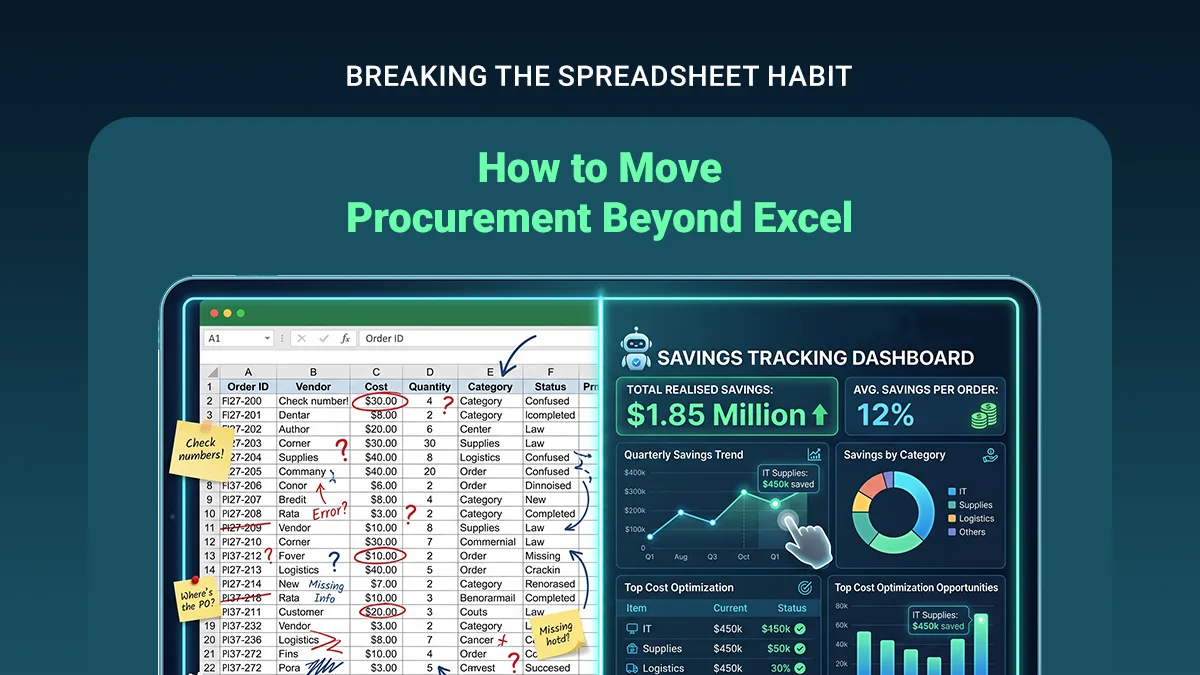
For managing procurement costs, real-time tracking and reporting are essential. With a procurement management system, businesses gain access to a centralized platform. It allows them to oversee expenditures across multiple suppliers and regions. This also helps companies stay within budget, discover potential savings, and make data-driven decisions.
Streamlining Supplier Relationships
Supplier management is a complex and time-consuming process in global networks. Procurement software, on the other hand, simplifies the processes of managing orders, invoices, and performance metrics through its unified platform. This improves supplier relationships, enables quicker issue resolution, supports better negotiations, and ensures timely deliveries.
Reducing Errors and Increasing Accuracy
In manual procurement methods, there can be costly mistakes, delays, and unhappy customers. Enterprise procurement software automates routine tasks, which reduces human error and improves the accuracy of procurement data. For example, automated invoicing and purchase order matching ensure transaction accuracy. This is especially important when managing global suppliers and dealing with multiple currencies.
We have seen how procurement systems handle supply chain challenges. It's time to look into building resilient workflows.
How to Build Resilient Procurement Workflows
A strong procurement process is essential for any business that wants success in today’s unpredictable supply chains. It helps mitigate risks, improve reactions to changes, and keep operations running smoothly during disruptions.
The following five strategies will help in building a more reliable and adaptable procurement workflow.
1. Diversify Suppliers and Sourcing Locations
Relying on a single supplier or region can make the supply chains vulnerable to substantial risks. Disruptions occur in times of natural disasters, political instability, or economic downturns in one region. That's why businesses must diversify procurement activities across different regions and suppliers. It reduces the risk of a single disruption affecting the entire supply chain.
On top of that, diversification can manage risks associated with currency fluctuations, tariffs, and other international trade barriers. This keeps operations running smoothly. Alternative suppliers or regions can step in to cover any gaps if one faces challenges.
2. Leverage Technology for Efficiency and Visibility
Digital platforms give real-time visibility into procurement activities. With these valuable insights, businesses can closely monitor supply chain performance, track orders, and manage supplier relationships with greater efficiency. Many eProcurement solutions have analytics tools that can predict potential disruptions before they occur. Accordingly, companies can adjust their procurement strategies.
Using top procurement software solutions can further boost operational efficiency. These platforms have features such as automated purchase orders, supplier performance tracking, and integrated reporting. They help businesses in simplifying their procurement processes and making data-driven decisions.
3. Develop a Robust Risk Management Strategy
Risk management is critical to any resilient procurement workflow. To build resilience, businesses must conduct regular risk assessments and create contingency plans. This includes recognizing potential risks, such as supply chain disruptions, supplier insolvencies, or geopolitical tensions. Accordingly, businesses can develop strategies to mitigate these risks.
A procurement management system gives real-time data on supplier performance, market trends, and emerging risks. This information helps businesses pinpoint vulnerabilities. An effective risk management strategy helps businesses quickly address challenges and reduce disruptions to procurement operations.
4. Build Strong Supplier Relationships
It is of utmost importance to maintain strong relationships with suppliers. It keeps the supply chain running smoothly. When both businesses and suppliers establish long-term partnerships based on trust and transparency, they can overcome challenges more effectively. Companies can build a more resilient procurement process by openly communicating and collaborating.
Enterprise procurement software enables businesses to track supplier performance, evaluate risks, and identify areas for improvement. A centralized system assists companies in enhancing their relationships with suppliers and ensuring alignment with procurement objectives.
5. Improve Inventory Management and Flexibility
Companies can avoid stockouts and ensure smooth procurement operations by managing inventory efficiently. A resilient procurement system maintains a balance between just-in-time (JIT) inventory and just-in-case (JIC) strategies. Businesses can reduce the impact of supply chain bottlenecks by using advanced forecasting tools and holding safety stock for critical items
Furthermore, flexible contracts and adjustable delivery schedules enable businesses to quickly adapt to market changes or unexpected challenges. Procurement management software helps monitor inventory levels, predict demand, and optimize stock management. In short, these tools allow companies to remain agile and responsive.
Concluding Remarks
In today’s dynamic global supply chains, businesses must have a robust procurement management system. It streamlines procurement tasks, reduces costs, and strengthens supplier relationships. By using the right tools and constantly improving processes, businesses can strengthen their procurement strategies. This helps create a resilient, efficient workflow that can withstand supply chain challenges.