Overview
Procurement keeps evolving rapidly, whether it is Request for Quote (RFQ), Request for Information (RFI), or Request for Proposal (RFP) processes. However, many companies still use outdated, inefficient RFP methods. As a result, suppliers keep waiting, and decisions take longer than they should. As businesses expand globally, it becomes difficult to manage procurement activities with traditional methods.
Thankfully, digital tools like rfp procurement software come as a game-changer. It replaces fragmented communication and static documents with real-time, collaborative workflows. Procurement teams can maintain consistency in operations.
This post explores how collaborative RFPs enable real-time bidding across time zones. These platforms allow teams and suppliers to collaborate instantly, adjusting bids and making decisions in real time. We begin by looking at the challenges of traditional RFP processes.
Why Traditional RFPs Slow Global Procurement
Even though technology is advancing, traditional RFP processes remain largely manual and fragmented. Many organizations still use outdated methods that do not support global collaboration in real-time. These methods involve dependence on emails for communication, static document attachments for RFPs, and spreadsheets for bid comparisons. As a result, approval cycles become slow.
In short, these practices introduce inefficiencies at every stage of the sourcing process. Without a centralized communication system, vital updates can get lost in email chains. Moreover, teams find it challenging to stay on the same page.
In the end, this results in multiple challenges.
Suppliers experience long delays, sometimes waiting hours or even days for feedback.
Internal teams struggle with a lack of real-time collaboration.
RFP documents face version control issues.
Delays in decision-making.
These inefficiencies impact procurement performance by increasing costs, extending timelines, and decreasing supplier participation. In competitive markets, even minor delays can lead to missed opportunities.
That's why modern organizations use digital solutions to streamline their sourcing processes and remove these bottlenecks.
Besides manual inefficiencies, global procurement struggles with time zone differences, which slow down fragmented workflows.
Complex Impact of Time Zone on Procurement
Time zones are another challenge for global procurement. When teams and suppliers operate across different regions, there is a lack of real-time communication that causes unavoidable delays.
Let us take an example. When one team logs off, another team may sign in. In such scenarios, the absence of a system for continuous collaboration halts procurement processes.
Offline Teams
Several issues arise when teams are offline. Bids often remain unchecked for long periods, which delays decision-making. Approval processes are put on hold, and negotiations lose momentum, which extends the timeline even further. These disruptions create gaps in the workflow. As such, it becomes hard to maintain a smooth process.
Performance Issue
Delayed responses impact procurement performance negatively. It leads to missed opportunities with suppliers. This can hinder the ability to get the best deals. Also, longer sourcing cycles extend project timelines. This causes unnecessary delays in completing the cycle. Also, poor engagement can lower competition in the bidding process, leading to fewer options and higher costs.
Traditional tools like spreadsheets and emails cannot handle these challenges. Organizations need advanced procurement systems to address them, irrespective of location and time zones.
It will be helpful to compare how traditional RFP processes work versus collaborative methods.
Traditional RFP vs Real-Time Collaborative RFPs
The following table highlights the main differences between traditional RFP processes and modern collaborative approaches.
Feature | Traditional RFP | Collaborative RFPs |
|---|---|---|
Communication | Email-based | Real-time messaging |
Bid updates | Manual | Instant updates |
Supplier participation | Delayed | Continuous |
Evaluation | Spreadsheet-based | Automated comparison |
Decision speed | Slow | Fast |
It is clear from the table that traditional RFPs rely on slow, email-based communication and manual updates. Modern rfp software solutions eliminate the limitations of traditional methods by introducing real-time collaboration and automation. Instead of waiting for responses or manually compiling data, teams can engage, assess, and make decisions immediately.
We will now look at how organizations can implement these capabilities in practice through RFP automation software. This technology enables real-time collaboration, faster decision-making, and more efficient sourcing.
How RFP Automation Software Transforms Real-Time Bidding
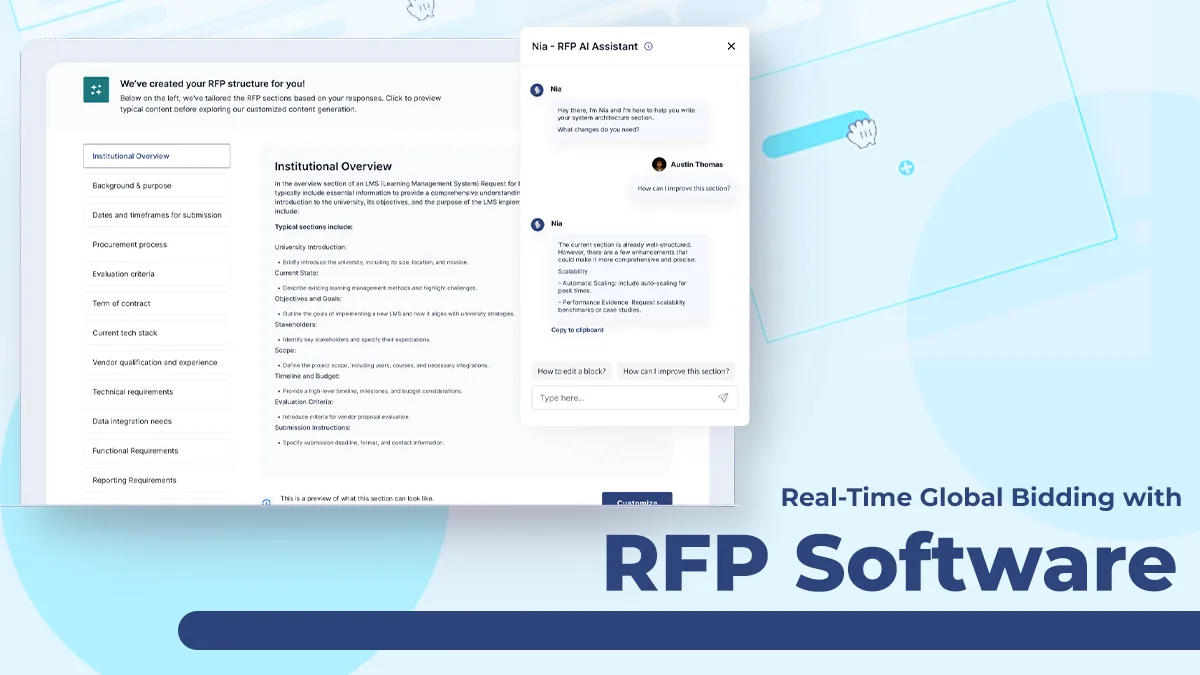
This automation software allows organizations to shift from slow, paperwork-heavy procurement processes to fast, digital workflows. It fosters continuous communication, accelerates decision-making, and provides enhanced visibility throughout every stage. Here’s how you can begin.
Step 1- Create Digital RFP
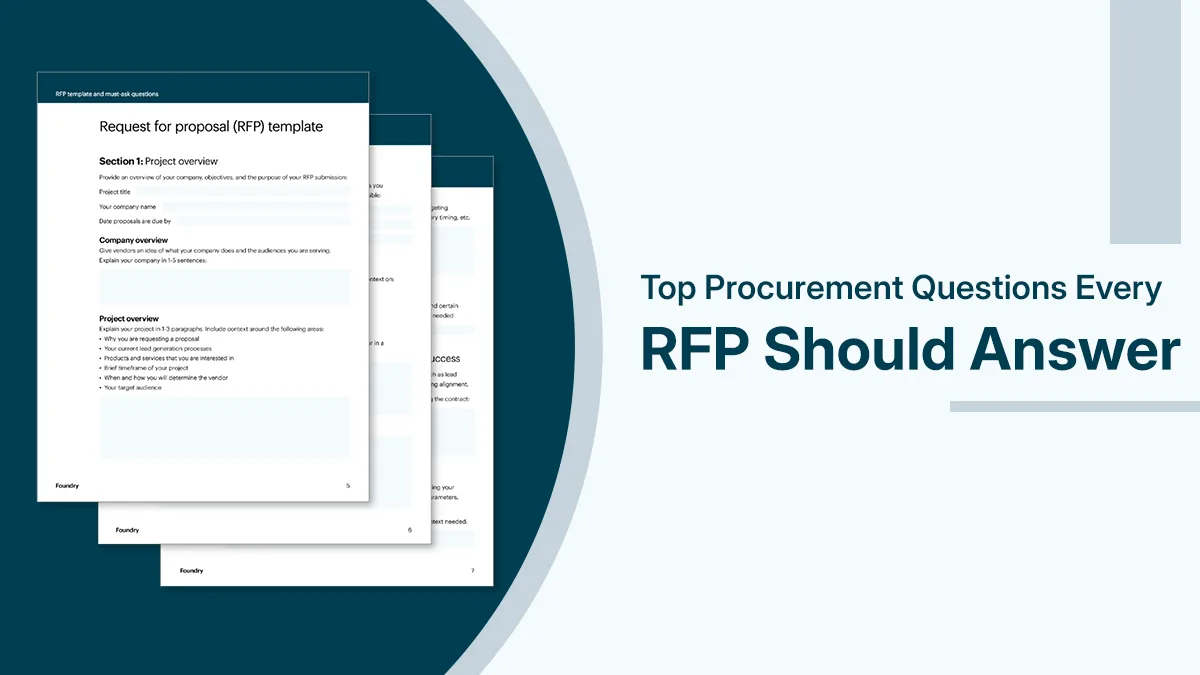
Procurement teams make structured RFPs using pre-built templates within the platform. This maintains consistency and removes the need to create new documents from scratch each time.
Next, let's move on to the second step.
Step 2- Invite Global Suppliers
Companies invite suppliers via a centralized portal, streamlining communication and ensuring all participants have access to the latest information.
Next, we will talk about submitting bids.
Step 3- Submit Bids in Real-Time
Suppliers can submit bids instantly, irrespective of their location. There is no need for manual coordination or concerns about time zones.
We now come to live collaboration.
Step 4- Live Collaboration
Buyers and suppliers communicate directly on the platform. They can make instant queries, clarifications, and updates, which minimizes delays.
We will now look at automated bid analysis.
Step 5- Automated Bid Analysis
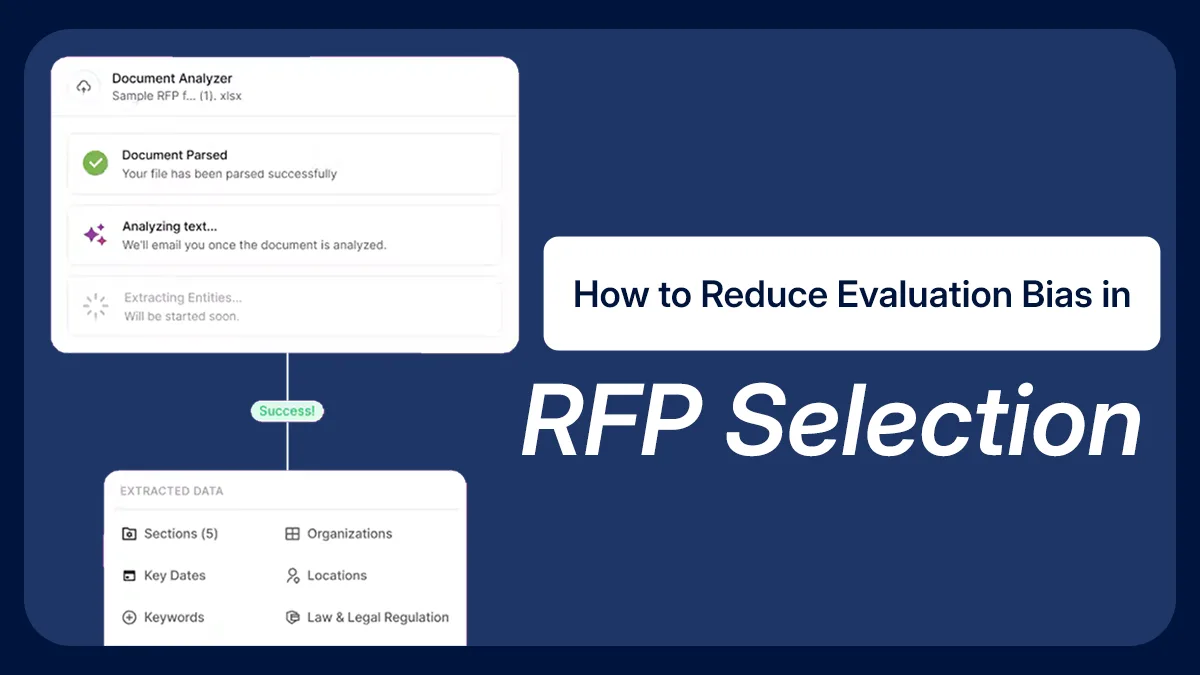
rfp management & bid analysis software automatically assesses bids based on predefined factors such as price, quality, and delivery timelines. This streamlines the review process.
Last but not least comes selection.
Step 6- Final Selection
Using structured data and dashboards, teams evaluate insights and make decisions.
It's time to dig into the benefits organizations gain from working together in real time using collaborative RFPs.
Key Benefits of Real-Time Collaborative RFPs
Organizations that implement modern procurement platforms experience notable gains in efficiency, transparency, and supplier involvement. Such benefits include-
Faster Sourcing Cycles
Real-time workflows reduce the time between creating an RFP and making the final selection. Decisions that previously took weeks can now be made in just days or even hours.
Enhanced Supplier Collaboration
Real-time communication and prompt feedback keep suppliers engaged throughout the process. This boosts participation rates and leads to higher-quality bids.
Better Pricing Through Increased Competition
Since suppliers can respond and adjust bids in real-time, it creates a more competitive environment. This results in better pricing and greater value for buyers.
Reduced Manual Effort
Automation removes the need for repetitive tasks such as follow-ups, document tracking, and manual comparisons. Procurement teams can concentrate on strategic decisions instead of administrative duties.
Increased Transparency and Insight
With real-time data accessible to all stakeholders, the process becomes clearer. This shared visibility helps reduce misunderstandings and strengthens accountability.
More Accurate and Data-Driven Decisions
Integrated analytics and bid comparison tools provide structured insights, helping teams evaluate proposals with greater objectivity and confidence.
Integrating procurement software with an e tendering platform strengthens these capabilities by providing a secure, organized, and compliant bidding process.
In short, real-time collaborative RFPs keep procurement processes running smoothly, even for teams spread across different locations.
Concluding Remarks
To sum up, traditional RFP processes create inefficiencies that slow down global sourcing decisions. By leveraging collaborative RFPs, businesses can overcome these obstacles and move toward a more integrated procurement model. As the market continues to change, organizations that embrace rfp software will gain a competitive edge in today’s dynamic environment.